Find the train02
I would like to go to this station.
この駅に行きたいです。
Kono eki ni ikitai desu.
How to say it
koh-noh eh-kee nee ee-kee-tah-ee deh-soo
Show the exact destination station on a ticket, map or itinerary.
初めてでも、一歩ずつ
日本で初めて列車に乗るときも、少し知れば安心です。「何から始めれば?」から、ホームを見つけて景色を楽しむまでをご案内します。
鉄道の予備知識は不要です。基本を知り、支払い方法を準備して、一つずつ旅を進めましょう。
AT THE STATION NOW?
Find your platform, check a ticket or ask for help. Hear the words, try them yourself, or show the Japanese to station staff.
この駅に行きたいです。
Kono eki ni ikitai desu.
koh-noh eh-kee nee ee-kee-tah-ee deh-soo
Show the exact destination station on a ticket, map or itinerary.
この電車はこの駅に止まりますか。
Kono densha wa kono eki ni tomarimasu ka.
koh-noh den-shah wah koh-noh eh-kee nee toh-mah-ree-mah-soo kah
Show the destination station and identify the train you mean.
何番ホームですか。
Nanban hōmu desu ka.
nahn-bahn hoh-oh-moo deh-soo kah
Show your train or journey details so staff can check the right platform.
この切符で乗れますか。
Kono kippu de noremasu ka.
koh-noh kee-[hold]-poo deh noh-reh-mah-soo kah
Show your actual ticket and identify the train you want to take.
改札を通れません。
Kaisatsu o tōremasen.
kah-ee-sah-tsoo oh toh-oh-reh-mah-sehn
Step aside and show the ticket, IC card or phone you used at the gate.
エレベーターはどこですか。
Erebētā wa doko desu ka.
eh-reh-beh-eh-tah-ah wah doh-koh deh-soo kah
Ask before entering the gates if you need a route with lifts.
Add the exact station and railway company to your “Show staff” card. A map or ticket helps too.
まずは、全体をつかむ
鉄道会社、路線、行き先から確認しましょう。ガイドに沿って一歩ずつ進み、実際の列車は駅の最新の発車案内で確かめてください。
01・基本を知る
日本の鉄道は、空港、街の各エリア、遠くの地域を結びます。すべての路線を覚える必要はありません。今回の移動に必要な会社、路線、行き先を確認しましょう。
 01
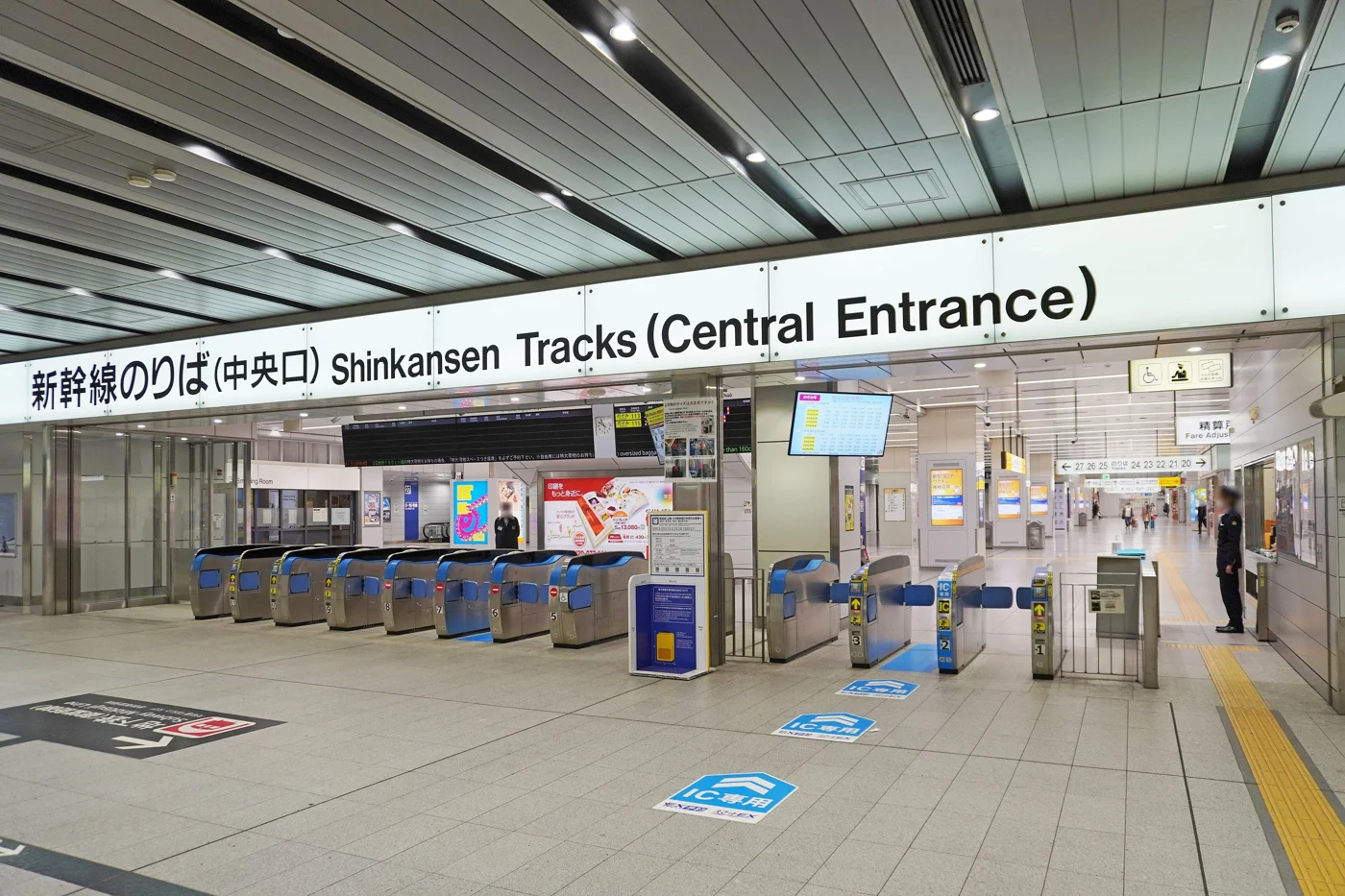
The operator is the company running your train. JR is a group of regional rail companies. Cities also have subway companies and other railways such as Nankai, Hankyu and Keihan.
Several companies can share a station building while using different gates.
 02
A line is a named route, such as Osaka Metro’s Midosuji Line. Follow its name and symbol on station signs. The line colour helps, but check the name too.
A subway is simply a city railway, much of it underground.
 03
Trains on the same line can travel in opposite directions or skip different stations. Check your destination in the stopping list before boarding.
A platform number is where to wait; it isn’t enough to identify the right train.
02・シンプルな支払い方法

Suicaは前払い式の交通系ICカードです。 お金をチャージし、改札でタッチすると残高から運賃が引かれます。対応するスマートフォンのウォレット、またはカードで利用できます。
「ICカード」は電子チップを使った交通系カードのことです。Suica、ICOCA、PASMOはそれぞれ異なるブランドですが、主要都市の対応サービスでは相互に使えることが多く、通常は街ごとに別のカードを用意する必要はありません。
乗り放題パスではなく、利用ごとに支払う方式です。対応マークのある多くのお店や自動販売機でも使えます。
詳しい使い方を見る →新幹線や多くの指定席の空港特急・特急列車では、適切なきっぷや予約を別途ご用意ください。Suicaの残高だけですべての列車に乗れるわけではありません。
どんな列車に乗る?
AROUND THE CITY
Usually stops at every station. A useful first ride: check the direction and you have less to decode.
FEWER STOPS
Skips stations. Many ordinary services cost the same as a local train, but names and fare rules vary by company. Check that yours stops where you need.
SPECIAL SERVICES
Often needs an extra ticket and sometimes a seat reservation. Airport trains such as HARUKA and Rapi:t have their own ticket arrangements.
BETWEEN REGIONS
Japan’s high-speed bullet trains use separate platforms and ticket arrangements. Choose a service that stops at your destination and check your seat booking.
Your Shinkansen guide ↗03・一緒に手順を確認
Enter your destination in a route planner. Choose a route with comfortable walking and transfer time. Save the station names, company, line, direction and useful exit — not just the departure time.
Try this: for your first practice ride, choose one short journey without a transfer. Save a screenshot while you have internet.
At the station, follow the company and line signs. “JR” and “Metro” can lead to different gates, even inside the same building. Look for a lift before entering if you need step-free access.
Pause here: if the sign doesn’t match your route, stand out of the flow of people and check before going through.
For an ordinary journey paid with Suica or ICOCA, hold your card or compatible phone still over the reader. Wait for the confirmation before moving through. Keep that same card or device for the exit.
If the gate says no: step aside and ask the attendant. Repeatedly tapping or following someone through won’t solve the problem.
Match the line, direction, service and stops with the departure board. On the platform, queue at the marked boarding position and let people off first. Keep your luggage close and listen for the next stop.
Reserved train? Also match the departure time, train name, carriage and seat to your booking.
Use the same card or phone at the exit gate. The fare is deducted and the gate display normally shows the remaining balance. If it’s too low, use a top-up or fare-adjustment machine, or ask staff.
One last check: follow the numbered or named exit for your destination. In a large station, the wrong side can mean a long extra walk.
04・駅の様子を知る
短い動画で駅の様子を見てから、構内図、改札、乗り換えを実用ガイドで確認できます。
01 / YOUR FIRST AIRPORT TRAIN
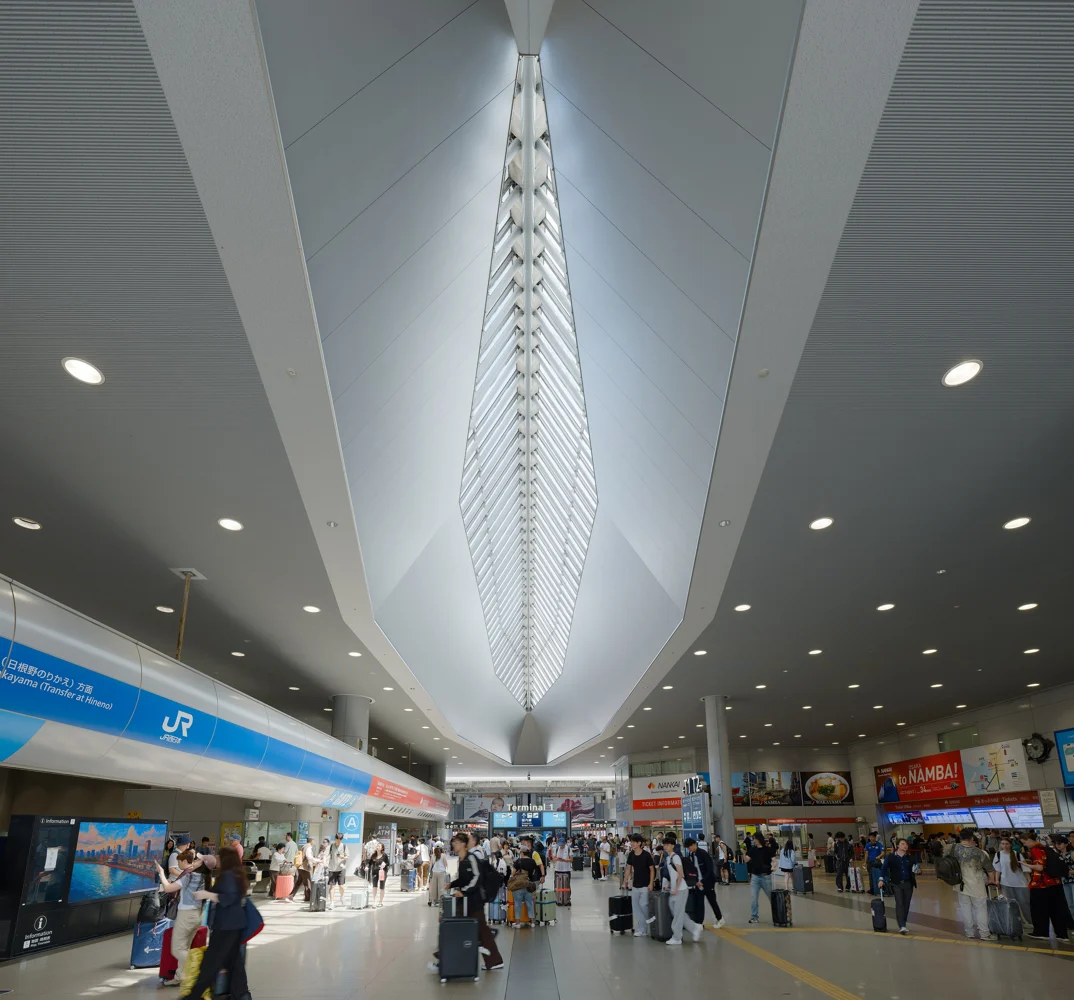
Two railway companies. One airport station. Choose the arrival that suits your hotel.
Film, maps & station guide ↗02 / ONE DISTRICT, SEVERAL STATIONS
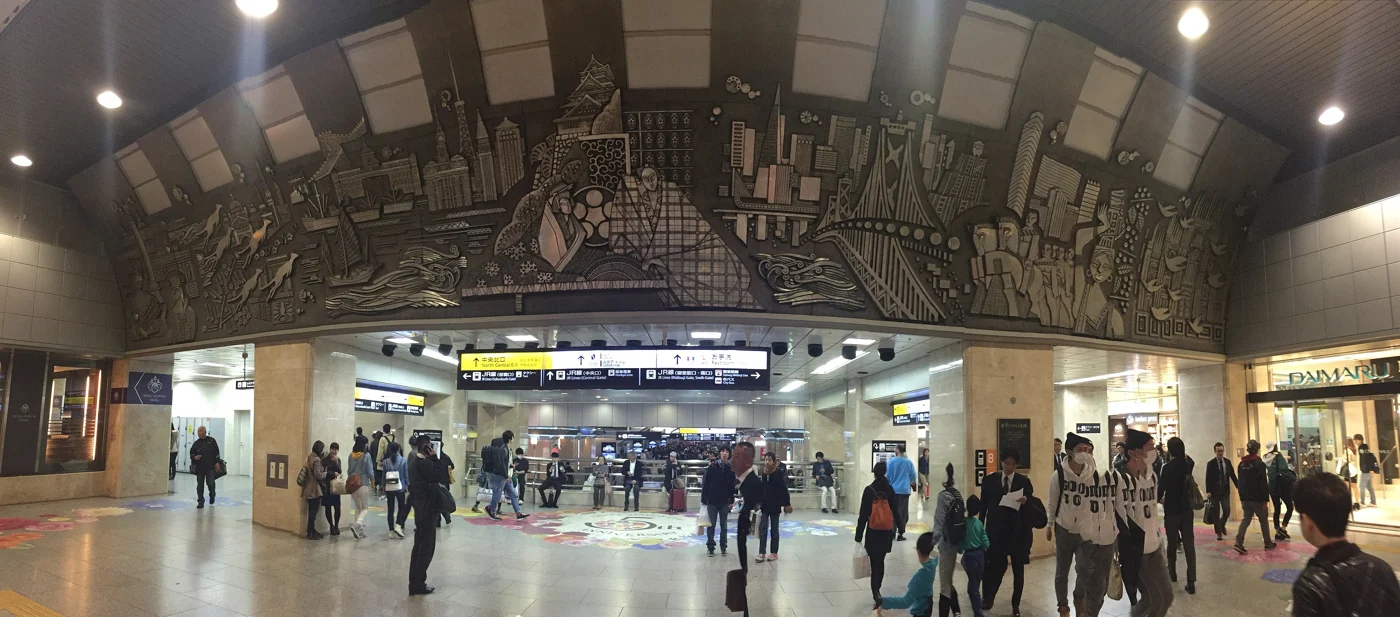
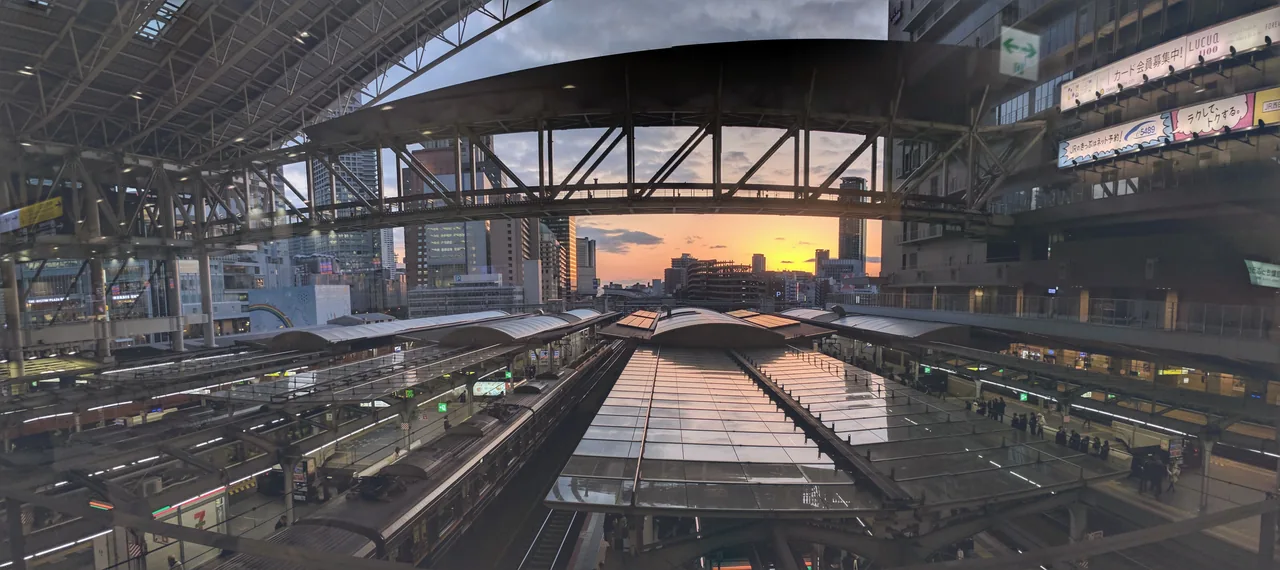
Osaka and Umeda belong together on a city map, but their gates are not interchangeable.
Film, maps & station guide ↗03 / THE BULLET-TRAIN CONNECTION
Shinkansen, ordinary JR trains and the subway have distinct gates. Your arrival determines the connection.
Film, maps & station guide ↗04 / TRAINS, SUBWAY & A CITY BEYOND
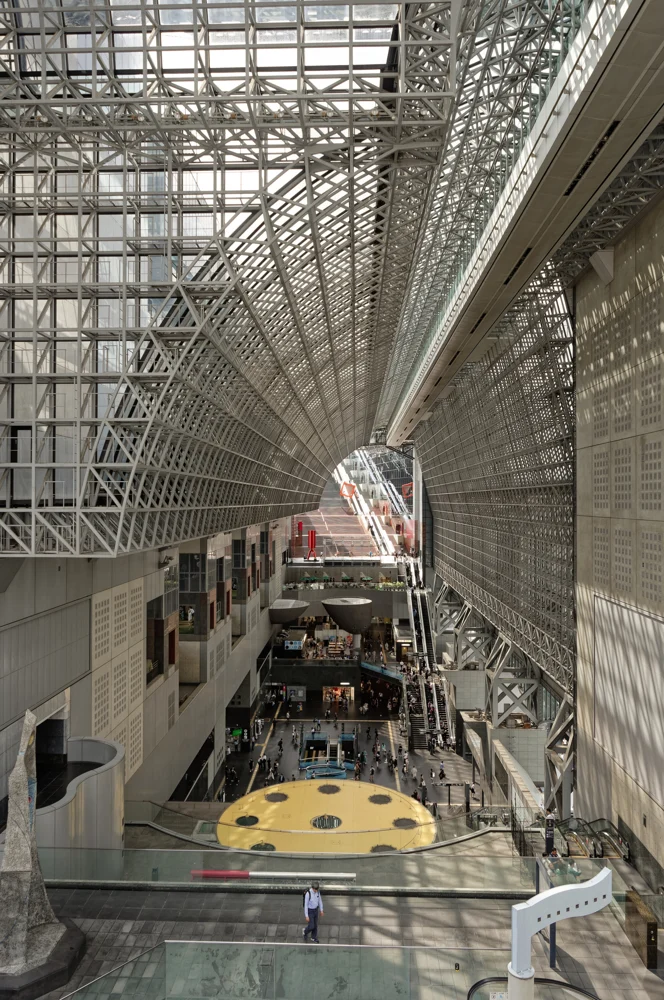
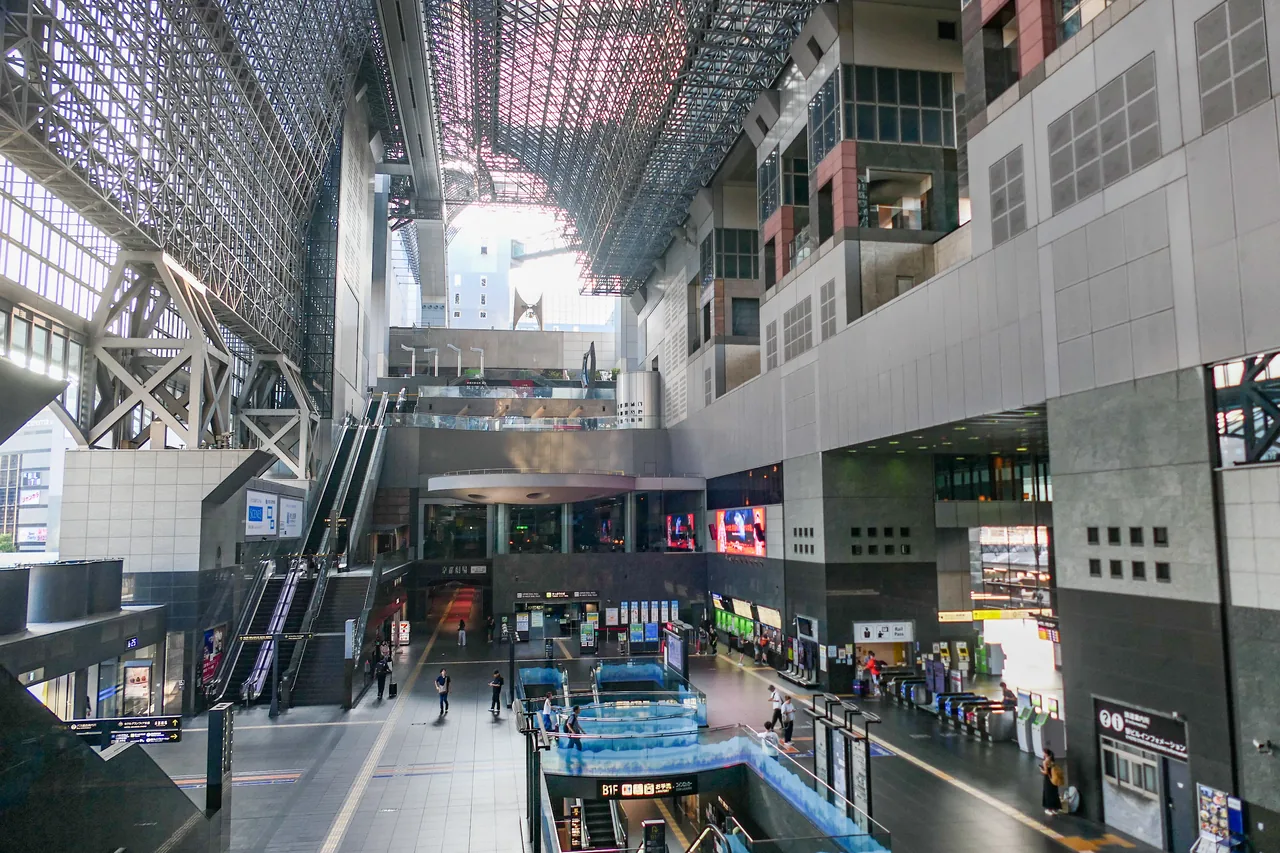
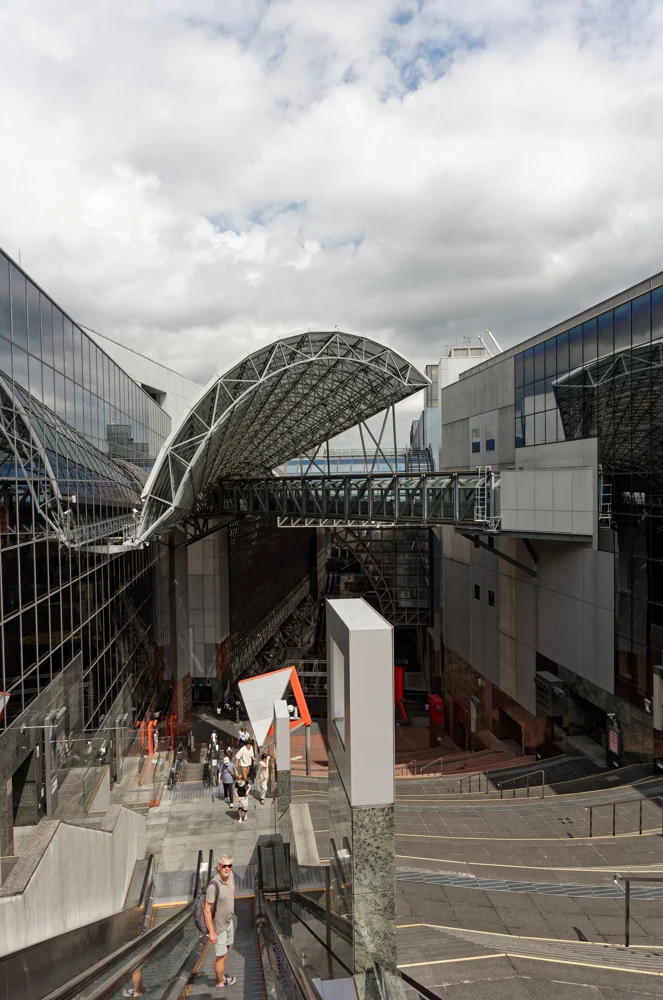
The Karasuma side faces Kyoto Tower. The Hachijo side is on the south. Choose the side your hotel needs.
Film, maps & station guide ↗05 / MAKE TIME FOR THE CONNECTION
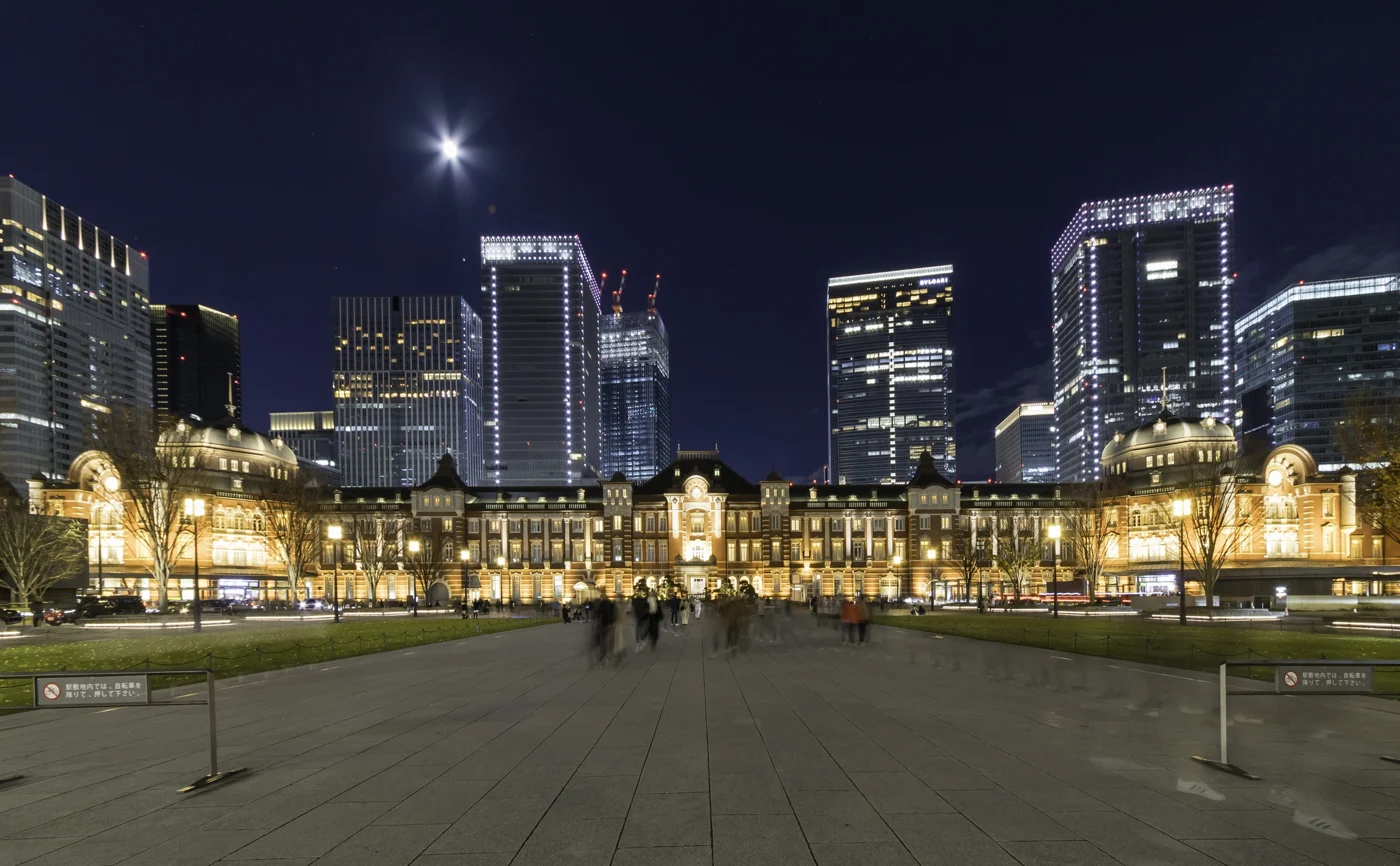
Marunouchi is west, Yaesu is east. Inside, follow the complete railway and line name.
Film, maps & station guide ↗06 / THE RIGHT TRAIN. THE RIGHT TERMINAL.
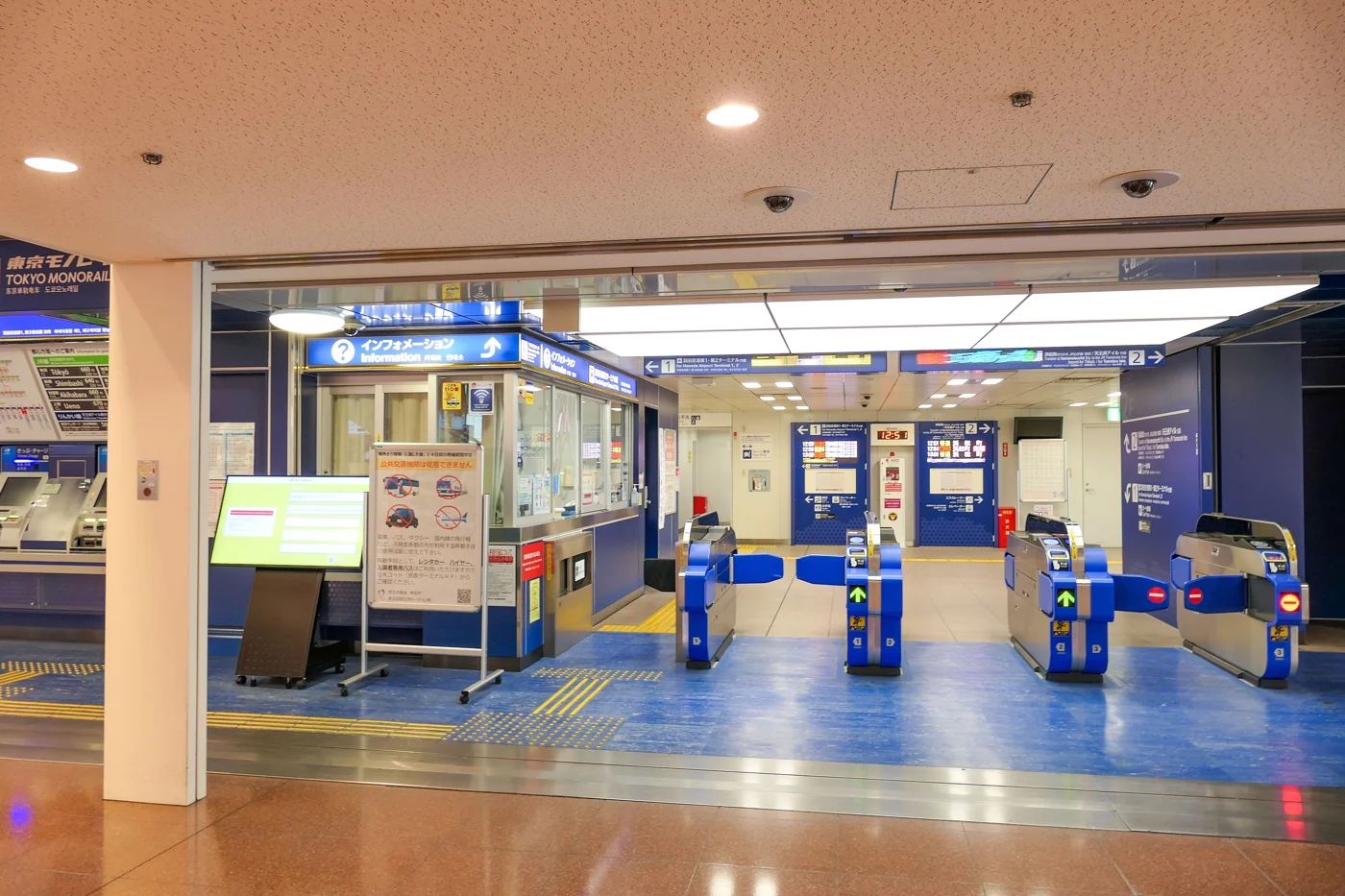
Start with your actual flight terminal. Then choose Keikyu or Tokyo Monorail for the easiest hotel connection.
Film, maps & station guide ↗05・もう少し先へ
AIRPORT ARRIVAL
JR or Nankai? Find the useful arrival for your hotel, then choose the ticket.
Open the guide ↗CITY CONNECTIONS
Understand Namba, Umeda, Osaka and Shin-Osaka before planning your day.
Open the guide ↗KYOTO & NARA
Choose a railway, make a short bus journey and compare the two Nara arrivals.
Open the guide ↗TOKYO & HANEDA
Connect JR, the subway and your airport train with time to find the right exit.
Open the guide ↗BOOKING A LONGER RIDE
Separate the basic fare from extra tickets, then organise seats and luggage.
Open the guide ↗WHEN PLANS CHANGE
Find a calm next step for a rejected card, missed reservation or disruption.
Open the guide ↗THE FUMI RAIL COMPANION
Thirty little discoveries. A more confident journey.
Start with confidence 01 / 05
Japan Rail Made Easy starts with one journey.
Learn your station, your train and your exit. Then add the next connection.
Our railway guides explain the practical details, so you can spend more time enjoying Japan.
Start with confidence 02 / 05
Same city. Different railways.
JR, subway and private operators have their own gates and tickets. Before entering, match the operator AND line on your route.
A familiar station name alone doesn't mean you've found the right entrance.
Start with confidence 03 / 05
A faster train can take you past your stop.
Before boarding, check:
• Line and direction
• Service type
• Your station in the stopping list
• Platform and car
Read the actual departure, not just the colour of the train.
Start with confidence 04 / 05
The journey isn't finished when the train arrives.
Save your hotel address, station exit and final walking route. If you need a lift, locate it before leaving the platform.
The nearest exit on a map may be the wrong one for your luggage.
Start with confidence 05 / 05
Tap in with your phone? Tap out with that same phone.
A separate physical IC card has its own journey record, even if both belong to you.
Keep one card or device consistent from entry to exit, and check its balance before travelling.
Choose the right ticket 01 / 05
Suica and ICOCA make many everyday journeys easier.
But acceptance isn't universal, and separate IC areas can limit continuous travel. For a long regional ride, check coverage before tapping in.
An IC card is a payment tool, not an all-Japan pass.
Choose the right ticket 02 / 05
Plan the journeys before buying the pass.
Compare fares, covered operators and supplements. The nationwide JAPAN RAIL PASS needs an extra special ticket before boarding Nozomi or Mizuho.
The best choice is the one that fits YOUR route.
Choose the right ticket 03 / 05
A base fare and a limited-express ticket do different jobs.
The fare covers the journey; the extra ticket covers the premium service and seat type. Some products combine them.
Check that your booking includes everything your chosen train needs.
Choose the right ticket 04 / 05
Using SmartEX with an IC card?
Book and pay for the Shinkansen, then assign your supported IC card before boarding.
The tap identifies that booking. The Shinkansen fare isn't paid from your IC balance; ordinary local travel is separate.
Choose the right ticket 05 / 05
Measure length + width + height.
On the Tokaido–Sanyo–Kyushu Shinkansen, ordinary luggage over 160 cm and up to 250 cm needs an oversized-baggage seat reservation.
Arrange it when booking. Check special-item rules separately.
Kansai, one connection at a time 01 / 05
Landing at Kansai Airport?
Choose your Osaka destination before choosing JR or Nankai. The easiest train is the one that fits your final station and hotel walk.
Arriving at Terminal 2? Include the transfer to the railway station.
Kansai, one connection at a time 02 / 05
Two Nankai choices. Different ticket needs.
Airport Express: ordinary fare, no reserved seat.
Rapi:t: reserved limited express, with the appropriate extra ticket.
A simple IC-card tap doesn't reserve a Rapi:t seat. Choose before the gate.
Kansai, one connection at a time 03 / 05
“Namba” isn't one interchangeable platform.
Nankai Namba, Metro Namba, Osaka-Namba and JR Namba are distinct stations or areas.
Use the full operator name in your route, and allow time for the signed walk between them.
Kansai, one connection at a time 04 / 05
Catching the Shinkansen from Osaka?
Your station is Shin-Osaka. JR Osaka Station is a different stop.
Budget time to reach Shin-Osaka, find the Shinkansen gates and locate your car. “At the station” doesn't always mean “ready to board”.
Kansai, one connection at a time 05 / 05
Learn one useful Osaka line first.
The Midosuji Line links Shin-Osaka, Umeda, Hommachi and Namba, among other stops.
Practise a short ride, find the right exit and enjoy the neighbourhood. Confidence grows one manageable journey at a time.
Find the right city arrival 01 / 05
Choose your Kyoto arrival for what you want to see.
JR Kyoto Station, Hankyu Kyoto-kawaramachi and Keihan Gion-shijo serve different parts of the city.
Compare the whole journey, including the walk, before choosing the fastest train.
Find the right city arrival 02 / 05
Planning a Nara day trip?
JR Nara and Kintetsu-Nara are different stations. Kintetsu-Nara offers a shorter walk to Nara Park; JR may suit your wider route.
Compare the arrival walk as well as the train. Leave time to enjoy the place.
Find the right city arrival 03 / 05
A useful Tokyo ticket trap:
The Tokyo Subway Ticket covers Tokyo Metro and Toei subway lines. It doesn't cover JR's Yamanote or Keiyo lines, or the airport railways.
Check the operators on your day's route before deciding it saves money.
Find the right city arrival 04 / 05
Tokyo Station's Keiyo platforms involve a substantial walk from the main concourse.
Allow for signs, lifts and luggage when changing trains. A tight connection on a screen may feel very different on foot.
Train time isn't door-to-door time.
Find the right city arrival 05 / 05
“Haneda Airport” isn't the final check.
Confirm your flight's terminal: international departures can use Terminal 2 or 3.
Compare Keikyu and Tokyo Monorail from your hotel, including changes and walking. The right terminal matters.
Enjoy the longer journey 01 / 05
Heading to Atami or Shizuoka?
Nozomi doesn't stop there. Choose a Kodama or a Hikari whose stopping list includes your station.
Check the exact departure before booking. A slightly slower train can be exactly the right one.
Enjoy the longer journey 02 / 05
A reserved seat, an ekiben and a changing view: a lovely way to enjoy an intercity journey.
Buy what you need before boarding, keep your space tidy and your conversation gentle.
Leave some time to look out of the window. The journey is part of Japan.
Enjoy the longer journey 03 / 05
Before a reserved train arrives, check its full name and number, your car and your seat.
Use the platform's boarding markers and let passengers step off first.
A little preparation on the platform makes settling in much easier.
Enjoy the longer journey 04 / 05
Travelling with children, a wheelchair or large bags?
Plan lifts, manageable transfers and time to pause. Arrange boarding assistance with the operator when needed.
A calmer connection can be more valuable than saving a few minutes on the timetable.
Enjoy the longer journey 05 / 05
Kanazawa to Kyoto or Osaka?
The rail route uses the Hokuriku Shinkansen to Tsuruga, then Thunderbird. Old advice about a through Thunderbird from Kanazawa is out of date.
Check both trains and their reservations.
Keep your confidence 01 / 05
Gate won't open? Step aside and ask staff.
A low balance, unfinished journey or wrong card can need different fixes. Show the card you used and explain where you entered.
Repeatedly tapping different cards won't clarify the journey record.
Keep your confidence 02 / 05
Missed a reserved train?
Keep your booking and check its exact conditions with the operator. Standard fares, discounts and passes can have different rules.
Don't assume the next train or another reserved seat is covered.
Keep your confidence 03 / 05
On the wrong local train?
Check the next stops, get off at a suitable station and work out the next step. Ask staff about any fare change or reserved-service restriction.
One calm correction is better than several rushed guesses.
Keep your confidence 04 / 05
Before leaving, save your route, hotel address and last usable return connection. Carry a charged power bank.
If services change, follow live operator notices and station staff. A saved guide helps you plan; it isn't a live departure board.
Keep your confidence 05 / 05
The reward for learning the railway?
More time for the coast, a neighbourhood lunch or a town you hadn't considered.
Follow @FumiJapanRail and keep our practical guides handy.
Less guesswork. More Japan.
ポケットに入る旅の案内
実際に出かけてみよう
A DAY OUT
Enjoy Osaka, Kyoto and Nara, or Tokyo, with a manageable route and places to stop along the way.
Choose a day out ↗A WHOLE JOURNEY
Follow a longer itinerary with daily directions, official station maps and a companion workbook.
Explore the journeys ↗実用情報の確認日:2026年10月22日。予約時や旅行時には、各事業者の最新情報をご確認ください。
駅から、その先へ
バスの基本、地元のタクシー、Uber、日本のGOアプリ。次の移動に備えて、使い方を確認しましょう。
Fumi 鉄道ガイド・旅は続く
ルートが決まったら、途中の表示、ちょっとした疑問、思いがけない発見を相談できる相手も。
動画を読み込めませんでした。もう一度お試しください。
小さな会話が、旅の思い出に。