
Excuse me
すみません。
Sumimasen.
Say it soo-mee-mah-sen
少しの安心で、おいしさをもっと。
食べてみたいものを見つけて、
安心して注文。
料理の名前を全部覚える必要はありません。まずは写真から。あとは一緒に見ていきましょう。
食材・アレルギー・セリアック病についてFumiから、ちょっとしたヒント · 35秒
動画を読み込めませんでした。もう一度お試しください。
01 / おいしそうなものから選ぶ
写真をタップして、料理を探す。
名前を覚えなくても大丈夫。
今の気分を教えてください。表示されるのは探すための候補です。食材や調理方法は、お店で確認してください。
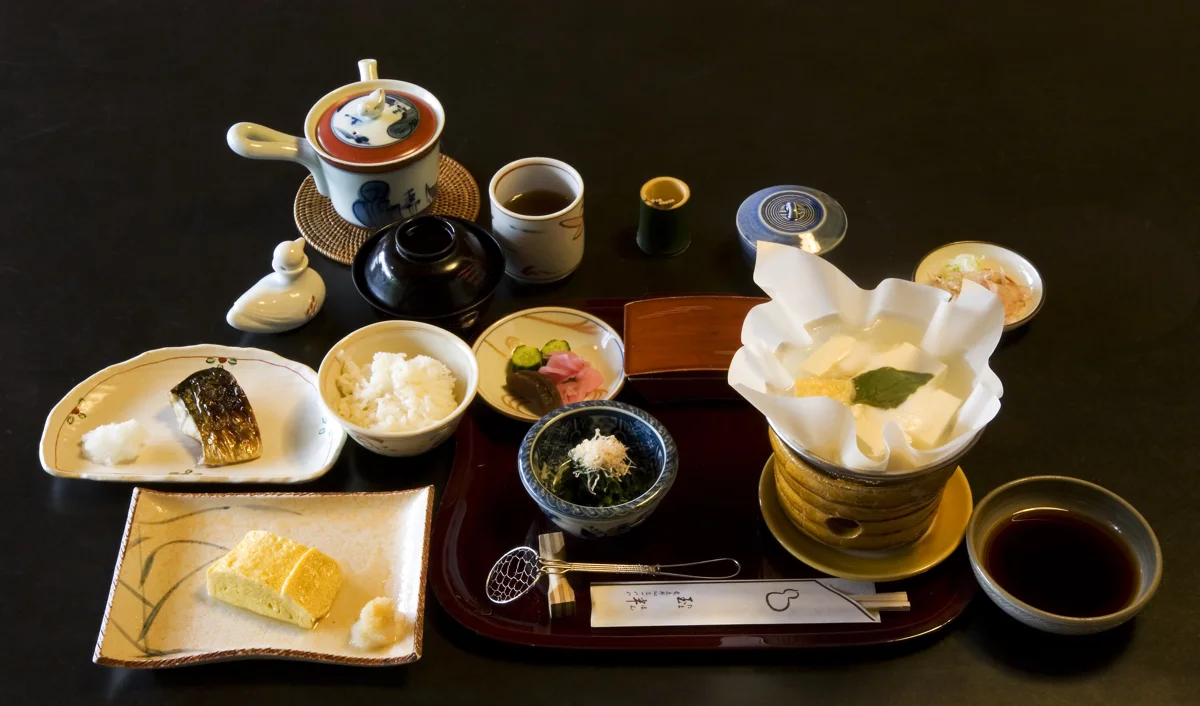
京都の朝食セットの一例。お店によって内容は異なります。
ひとつの注文で、いろいろな小皿。
目印は 「定食」 定食。主菜、ご飯、付け合わせが一緒に出てきます。含まれるものや、おかわりが有料かを確認しましょう。
02 / 少しの日本語が、大きな助けに
フレーズを選び、大きな日本語カードを見せるか、
ボタンで発音を聞いてください。注文するときは、
そのお店のメニューを指さしましょう。
すみません。
Sumimasen.
Say it soo-mee-mah-sen
二人です。
Futari desu.
Say it foo-tah-ree deh-soo
英語のメニューはありますか。
Eigo no menyū wa arimasu ka?
Say it eh-eh-goh noh meh-nyoo-oo wah ah-ree-mah-soo kah
これをお願いします。
Kore o onegaishimasu.
Say it koh-reh oh oh-neh-gah-ee-shee-mah-soo.
これは何ですか。
Kore wa nan desu ka?
Say it koh-reh wah nahn deh-soo kah
おすすめはどれですか。
Osusume wa dore desu ka?
Say it oh-soo-soo-meh wah doh-reh deh-soo kah
これはいくらですか。
Kore wa ikura desu ka?
Say it koh-reh wah ee-koo-rah deh-soo kah
これは辛いですか?
Kore wa karai desu ka?
Say it koh-reh wah kah-rah-ee deh-soo kah?
これは生ですか?
Kore wa nama desu ka?
Say it koh-reh wah nah-mah deh-soo kah?
持ち帰りはできますか?
Mochikaeri wa dekimasu ka?
Say it moh-chee-kah-eh-ree wah deh-kee-mah-soo kah?
コーヒーをください。
Kōhī o kudasai.
Say it koh—-hee— oh koo-dah-sah-ee.
お茶をください。
Ocha o kudasai.
Say it oh-chah oh koo-dah-sah-ee.
お水をください。
Omizu o kudasai.
Say it oh-mee-zoo oh koo-dah-sah-ee
これを一つください。
Kore o hitotsu kudasai.
Say it koh-reh oh hee-toh-tsoo koo-dah-sah-ee
お会計をお願いします。
Okaikei o onegaishimasu.
Say it oh-kah-ee-keh-ee oh oh-neh-gah-ee-shee-mah-soo.
カードは使えますか。
Kādo wa tsukaemasu ka?
Say it kah-ah-doh wah tsoo-kah-eh-mah-soo kah
ごちそうさまでした。
Gochisōsama deshita.
Say it goh-chee-soh-oh-sah-mah deh-shee-tah
ゆっくりお願いします。
Yukkuri onegaishimasu.
Say it yook-koo-ree oh-neh-gah-ee-shee-mah-soo.
音声ボタンを押すと、Fumiのゆっくりした日本語の発音を聞けます。文字はいつでも表示されます。
席に着く前に
お店によって、少しずつ違います。
目の前の仕組みに合うものを選んでください。
Is that price for one piece, one plate or one person? Does rice cost extra? Is there an otoshi starter or seating charge? Are refills included? Can you pay by card?
Tipping is not customary, but stated service or cover charges may apply. Check last orders, takeaway rules, luggage space and access needs with the shop. Follow local instructions about eating areas.
Japan-guide, Dining Out · Japan-guide, Izakaya · JNTO, Tipping in Japan · Fukuoka City, Yatai How-to
56 foods to explore.
Photographs show examples, not a particular restaurant’s current menu. A dish name or picture cannot confirm ingredients, dietary suitability or availability.
A little of everythingSet meal · teishoku定食A set meal with several components.
Pictured: a Kyoto breakfast set with rice, grilled mackerel, omelette, tofu and small accompaniments. Recipes and servings vary.
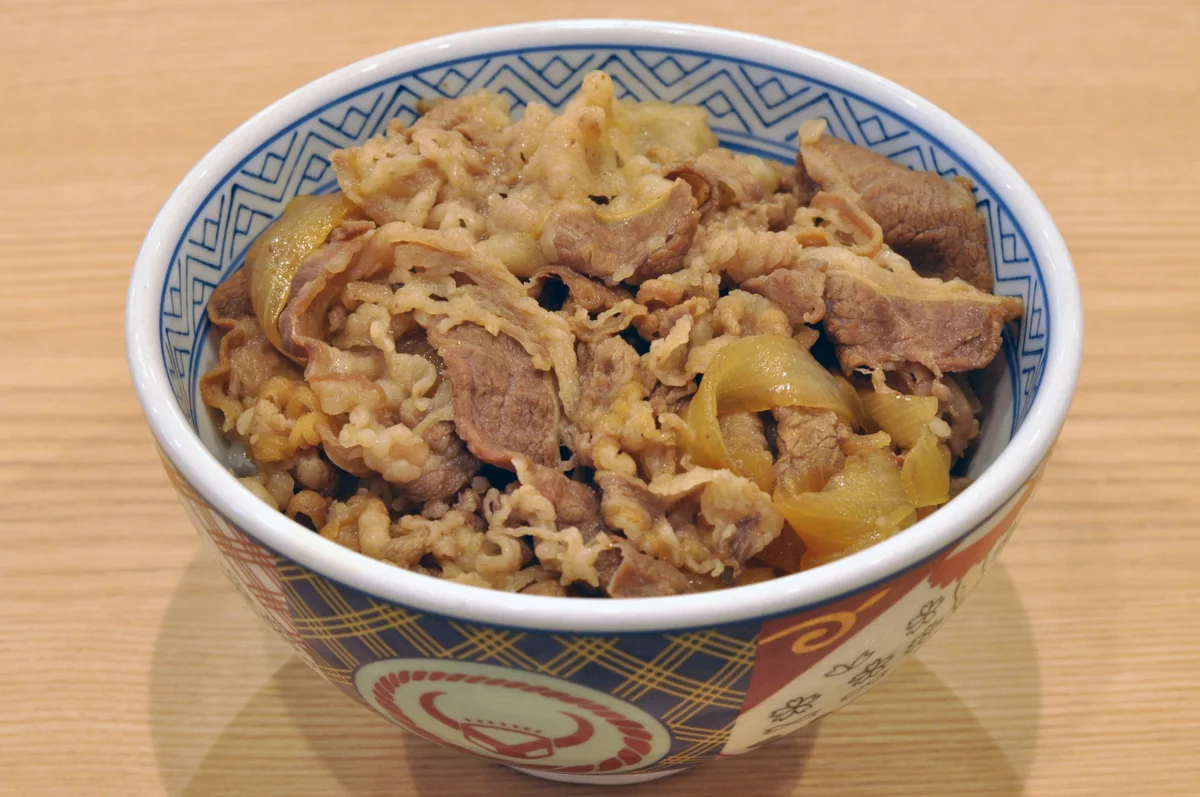 Rice with a savoury toppingRice bowl · donburi丼
A bowl of rice with a topping.
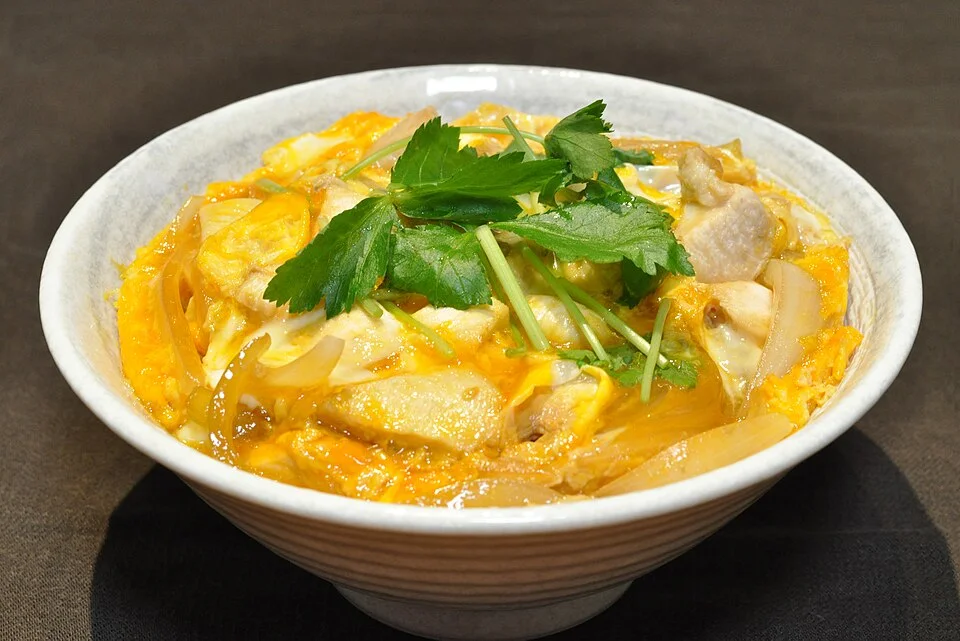
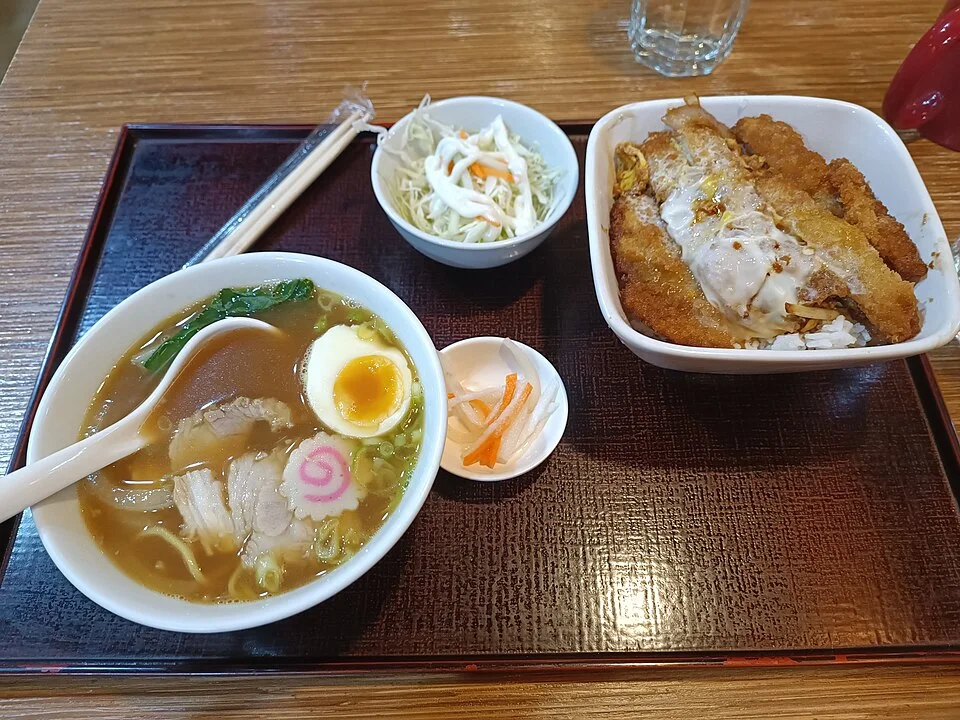
Pictured: gyudon, a bowl of rice topped with beef and onion. Recipes and servings vary.
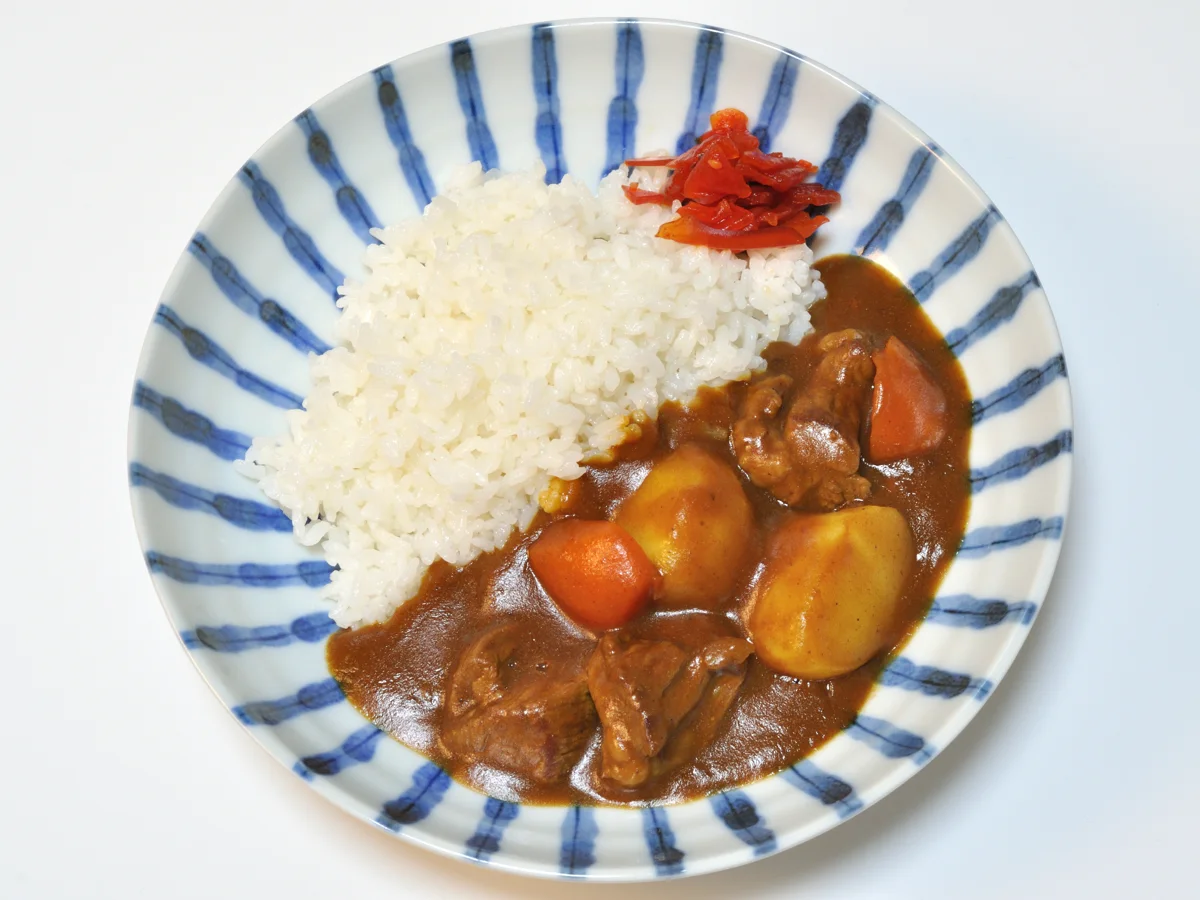 Rice & a comforting curryJapanese curry riceカレーライス
Rice with Japanese-style curry sauce.
Pictured: beef curry with rice, potato, carrot and onion. Recipes and servings vary.
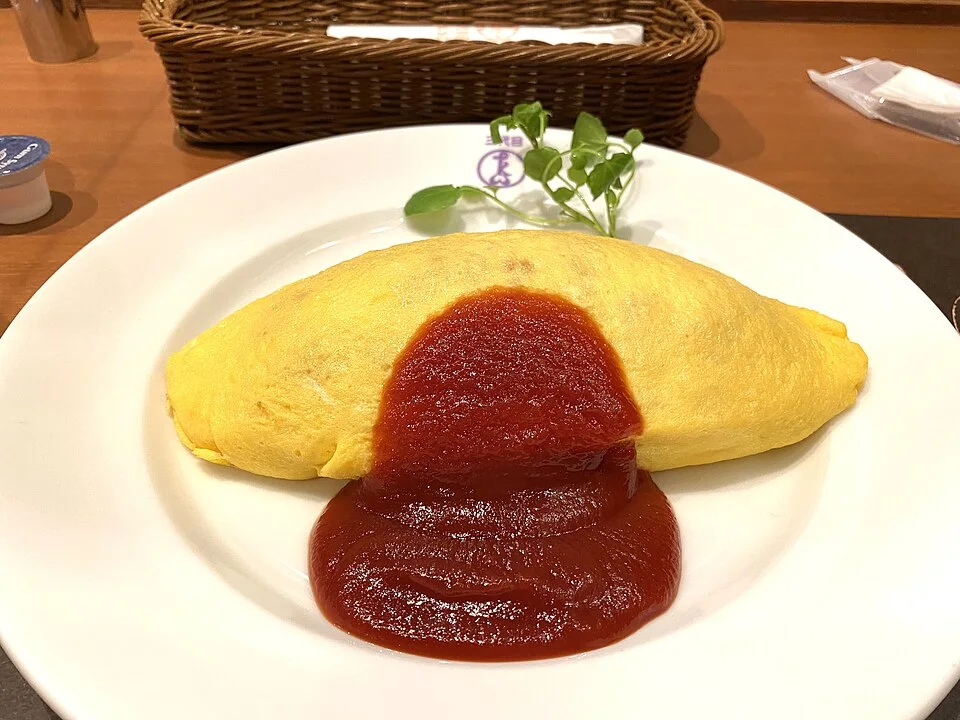 Omelette wrapped around riceOmuriceオムライス
Omelette with seasoned rice.
Pictured: omurice, an omelette over seasoned rice with tomato sauce. Recipes and servings vary.
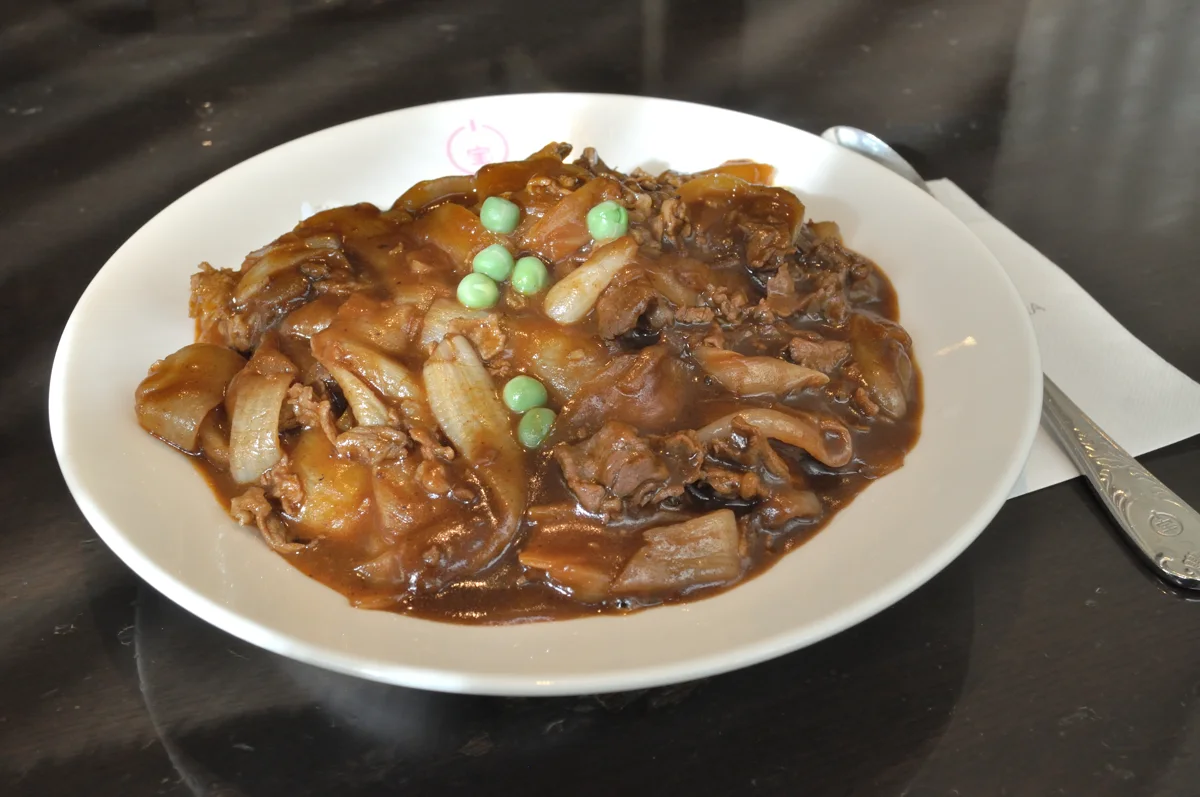 Rich beef sauce & riceHayashi riceハヤシライス
Rice with a rich, usually beef-and-onion sauce.
Pictured: hayashi rice with a beef-and-onion sauce. Recipes and servings vary.
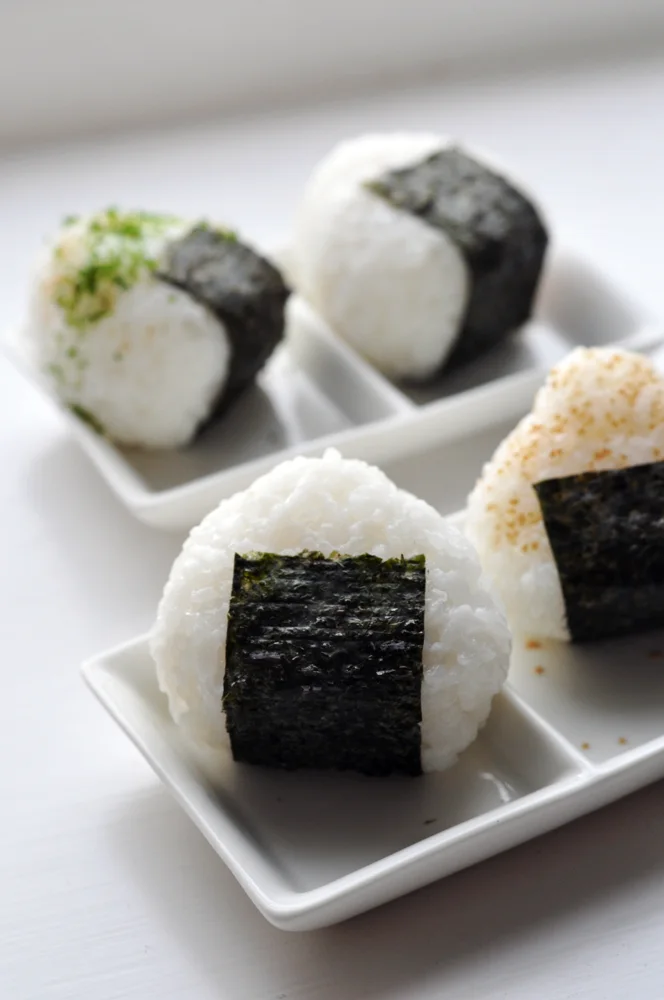 A rice snack for the roadOnigiriおにぎり
A shaped rice snack, often filled.
Pictured: rice balls with nori; the fillings are not visible. Recipes and servings vary.
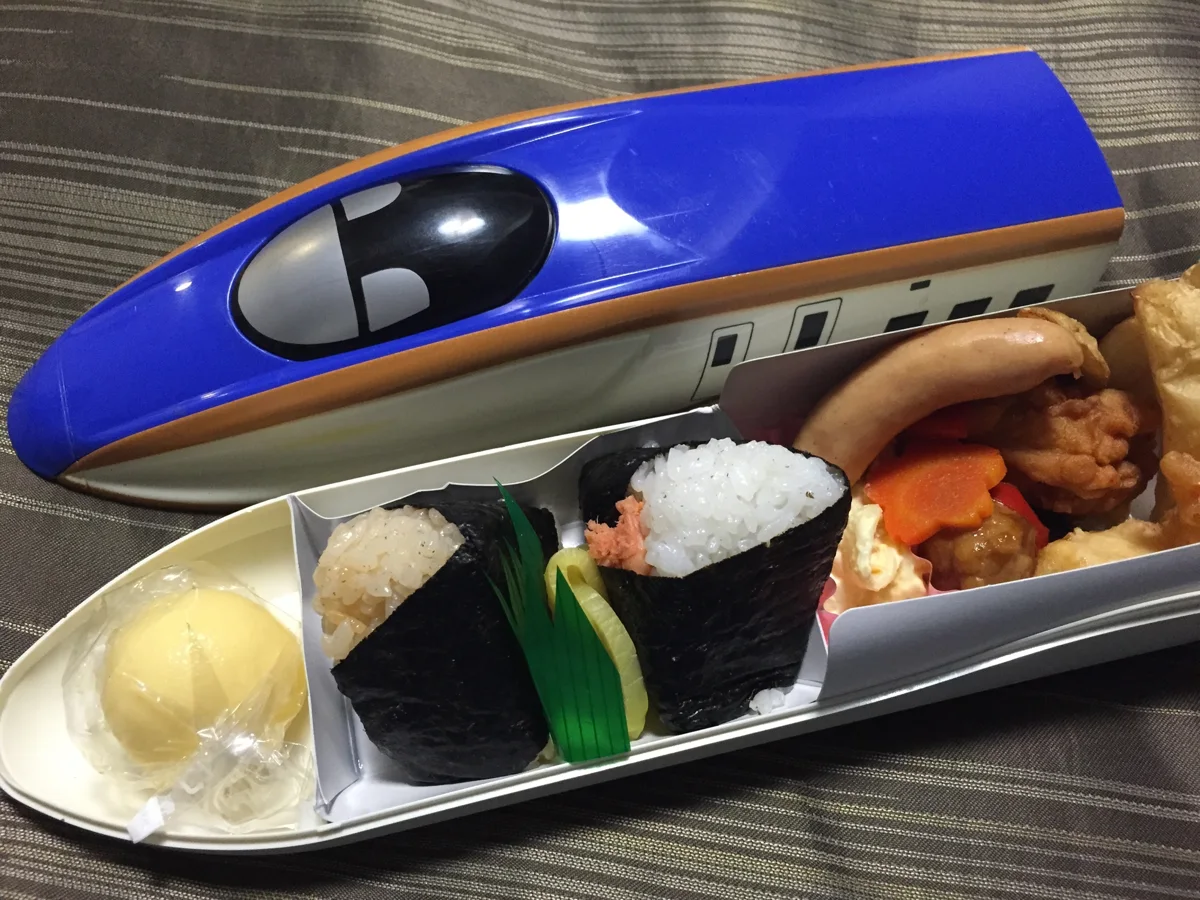 Your meal in a boxBento & ekiben弁当・駅弁
A prepared boxed meal; ekiben is associated with stations and rail travel.
Pictured: a train-shaped ekiben box with rice snacks and side dishes. Recipes and servings vary.
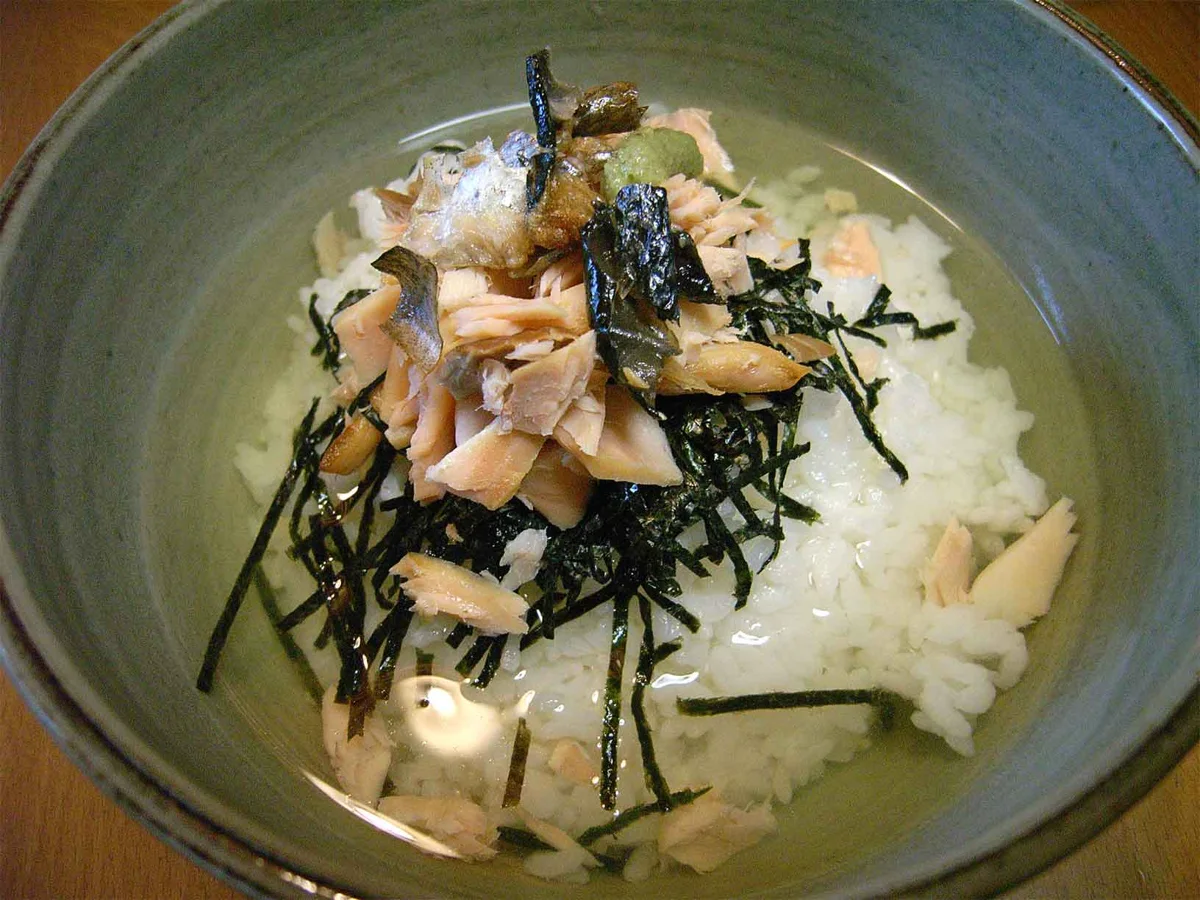 Rice with a warm pour-overOchazukeお茶漬け
Rice with tea or broth poured over it.
Pictured: salmon ochazuke with seaweed. Recipes and servings vary.
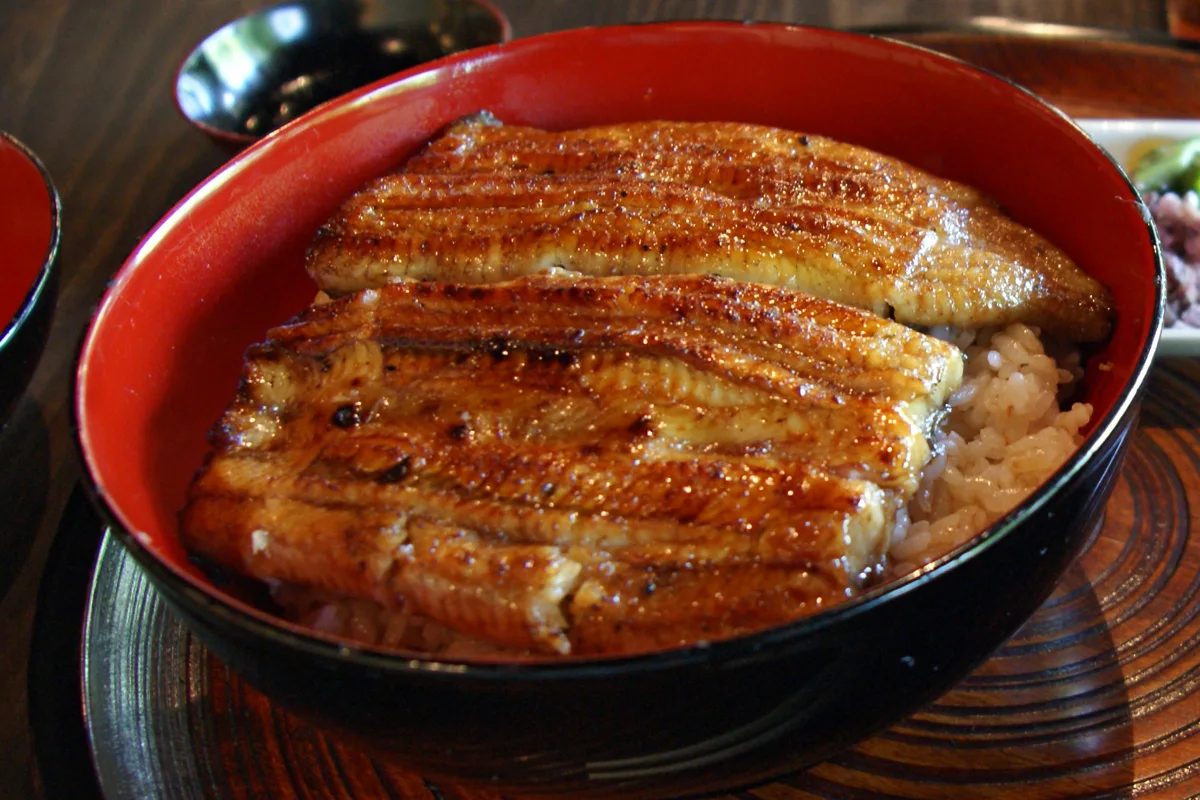 Grilled eel over riceUnadon & unajuうな丼・うな重
Grilled eel over rice, in a bowl or box.
Pictured: glazed grilled eel on rice. Recipes and servings vary.
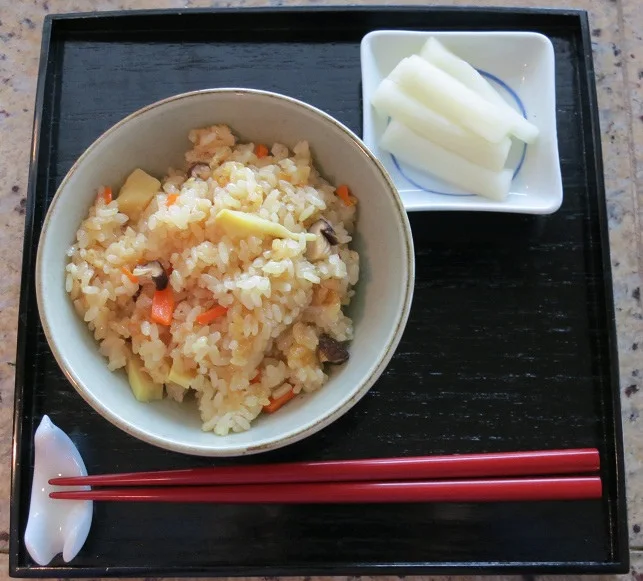 Seasoned rice, cooked togetherTakikomi gohan炊き込みご飯
Rice cooked with other ingredients and seasoning.
Pictured: seasoned rice with mixed ingredients, accompanied by pickles. Recipes and servings vary.
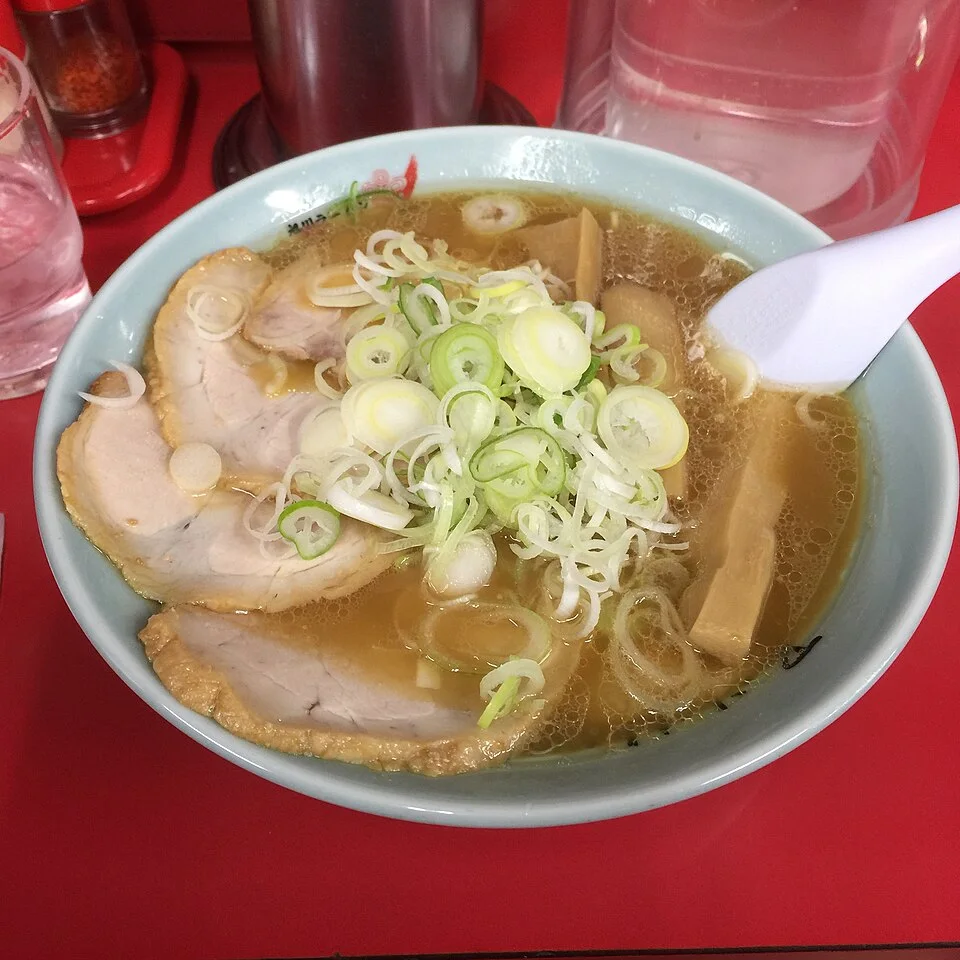 A steaming bowl of noodlesRamenラーメン
Wheat noodles with broth and toppings.
Pictured: ramen with broth, sliced pork, bamboo shoots and spring onion. Recipes and servings vary.
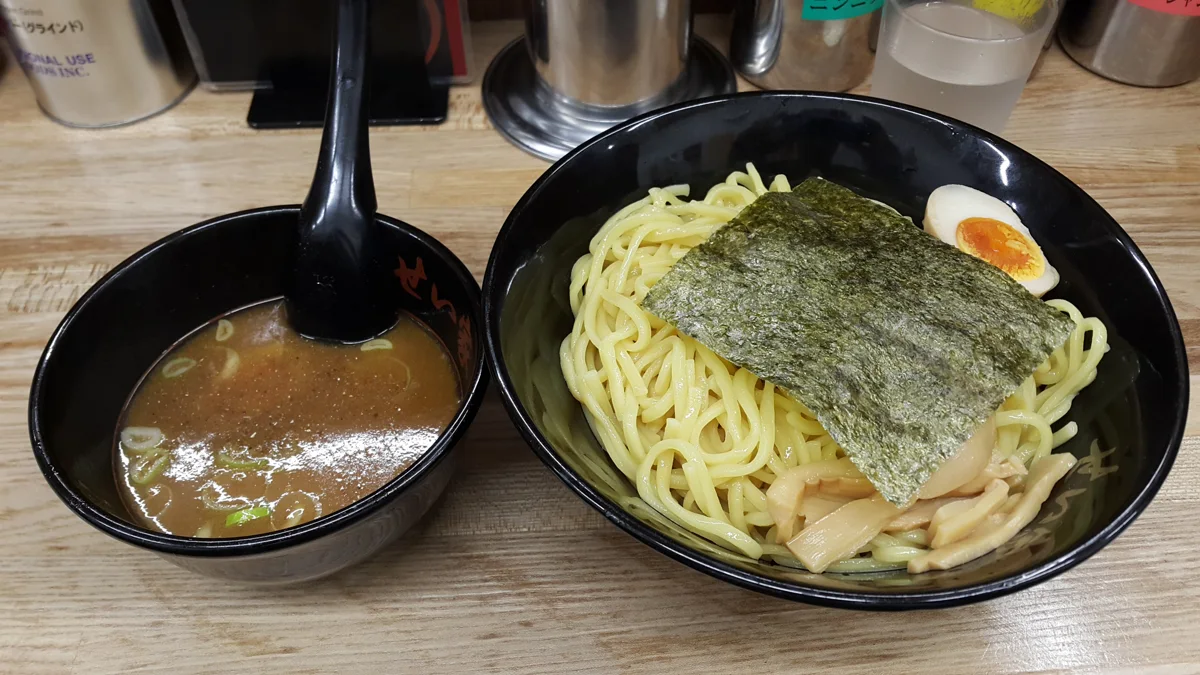 Noodles you dip yourselfTsukemenつけ麺
Noodles served separately from a dipping broth.
Pictured: tsukemen, with noodles beside a separate dipping broth. Recipes and servings vary.
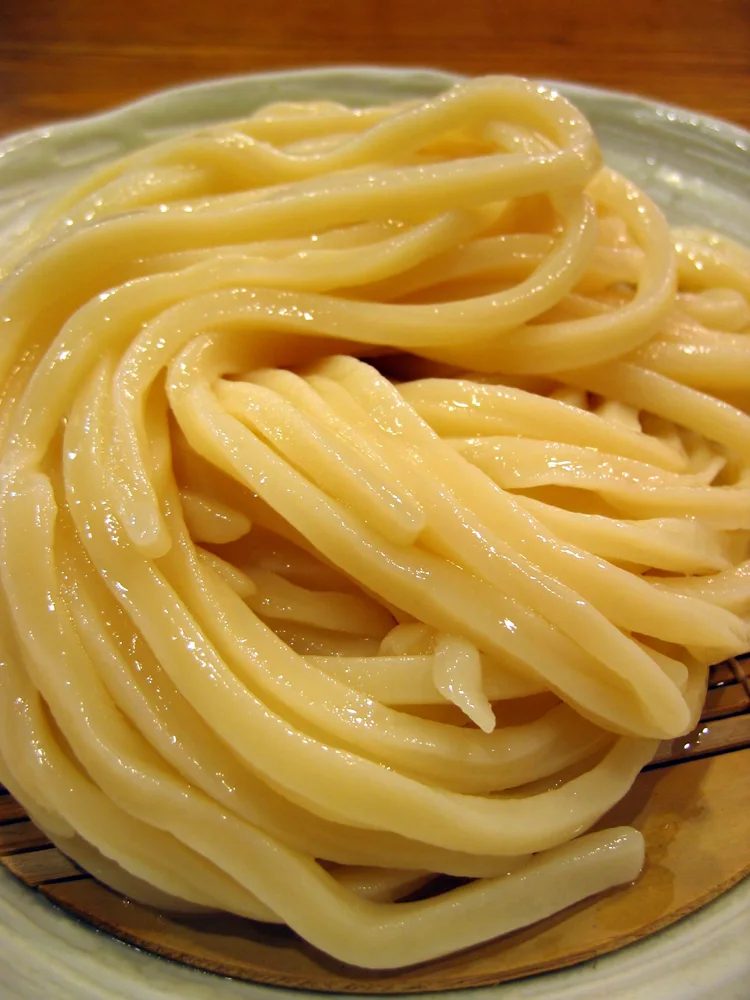 Thick, soft wheat noodlesUdonうどん
Thick wheat noodles.
Pictured: thick udon noodles on a serving basket. Recipes and servings vary.
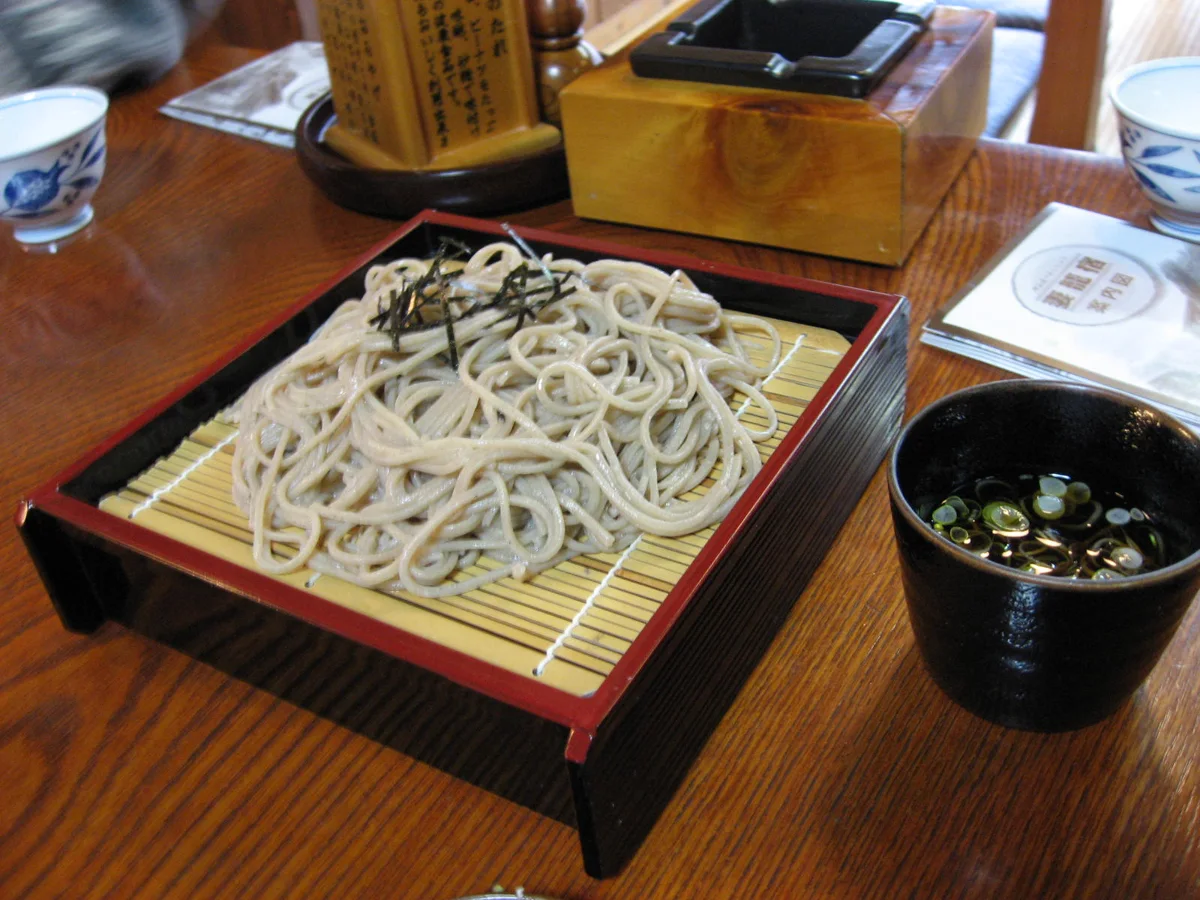 Buckwheat noodles, hot or coldSobaそば
Buckwheat noodles, often mixed with wheat.
Pictured: cold soba noodles on a tray with dipping sauce. Recipes and servings vary.
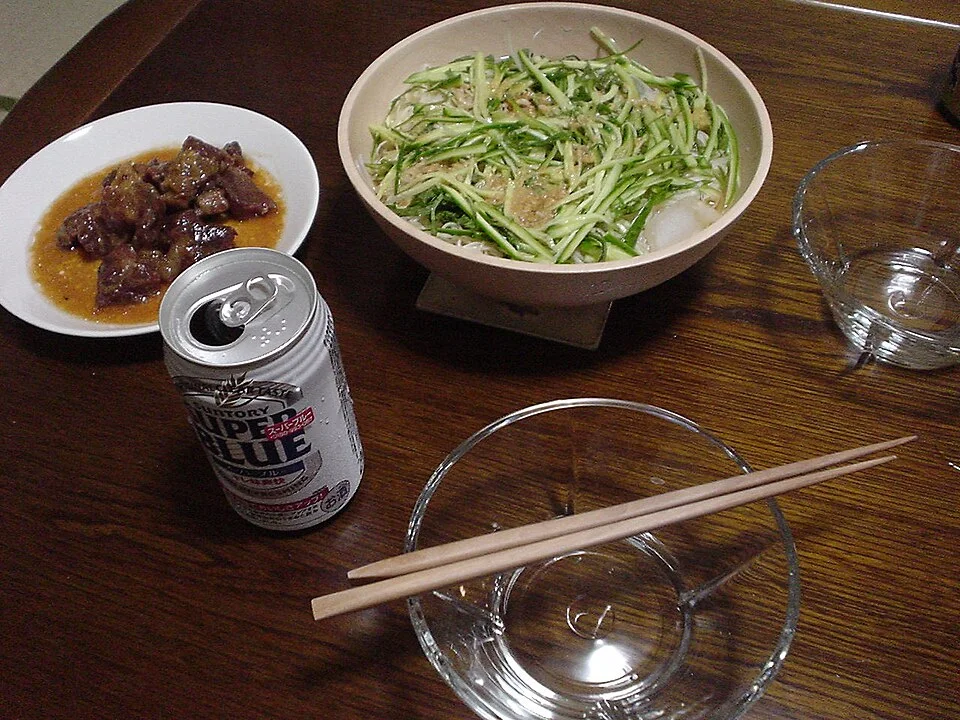 Fine noodles for a lighter bowlSomenそうめん
Very thin wheat noodles.
Pictured: somen noodles served alongside kakuni, braised pork. Recipes and servings vary.
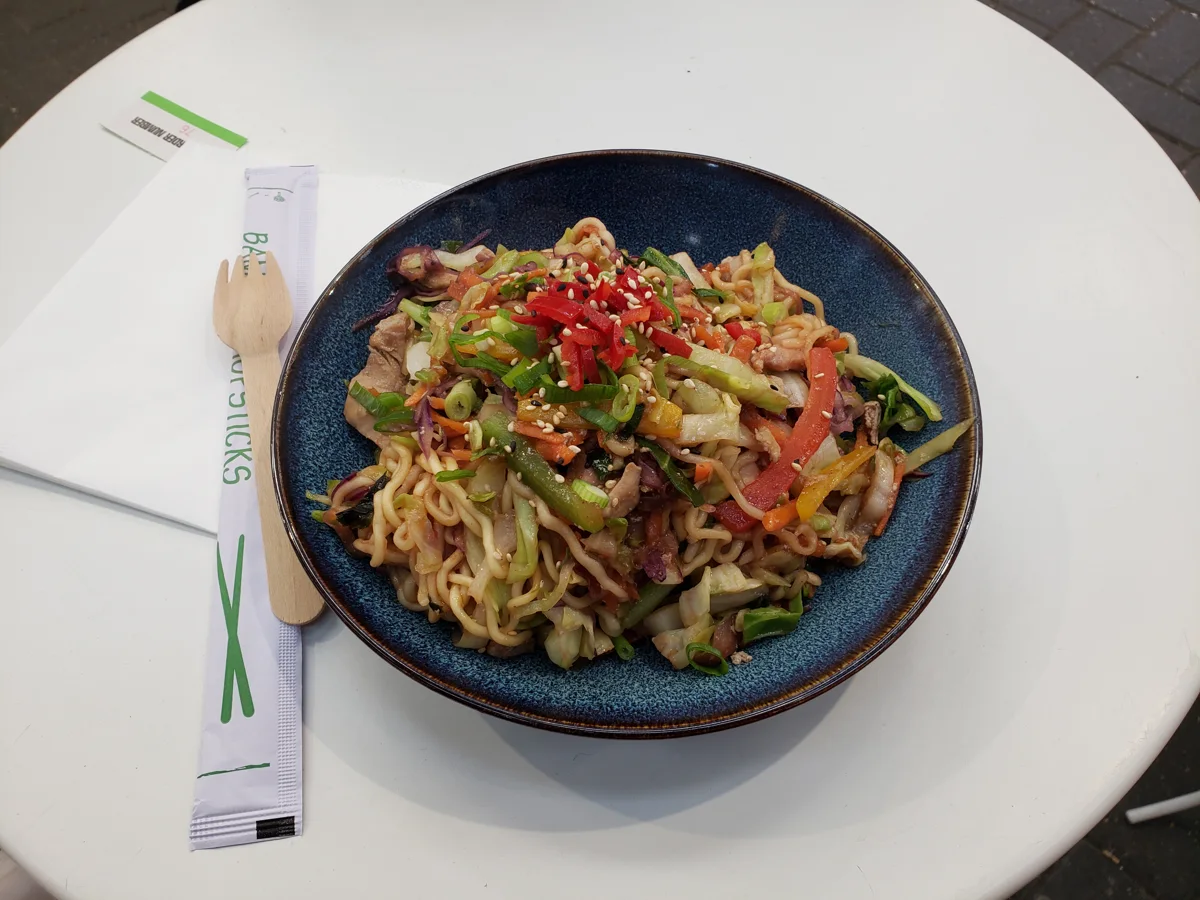 Noodles from the hotplateYakisoba焼きそば
Stir-fried noodles.
Pictured: chicken yakisoba with vegetables. Recipes and servings vary.
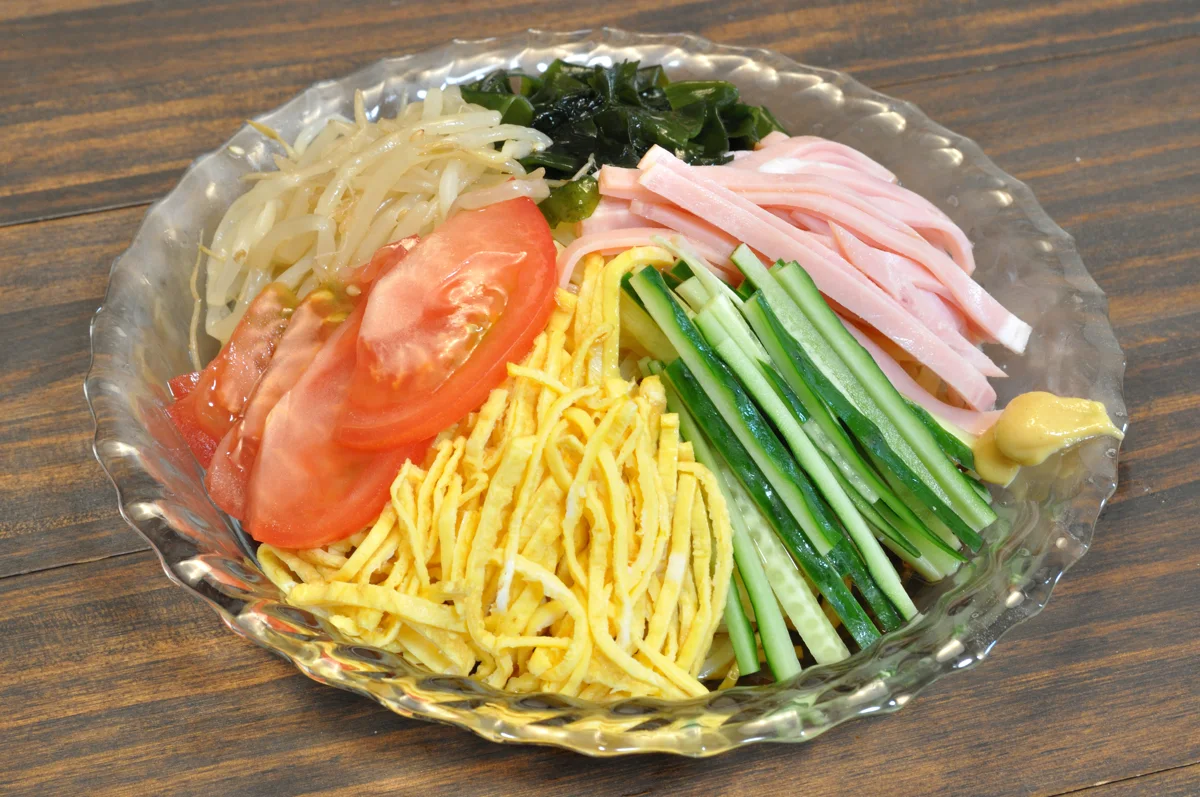 Chilled noodles, colourful toppingsHiyashi chuka冷やし中華
Chilled noodles with toppings and sauce.
Pictured: chilled noodles with tomato, cucumber, ham and shredded egg. Recipes and servings vary.
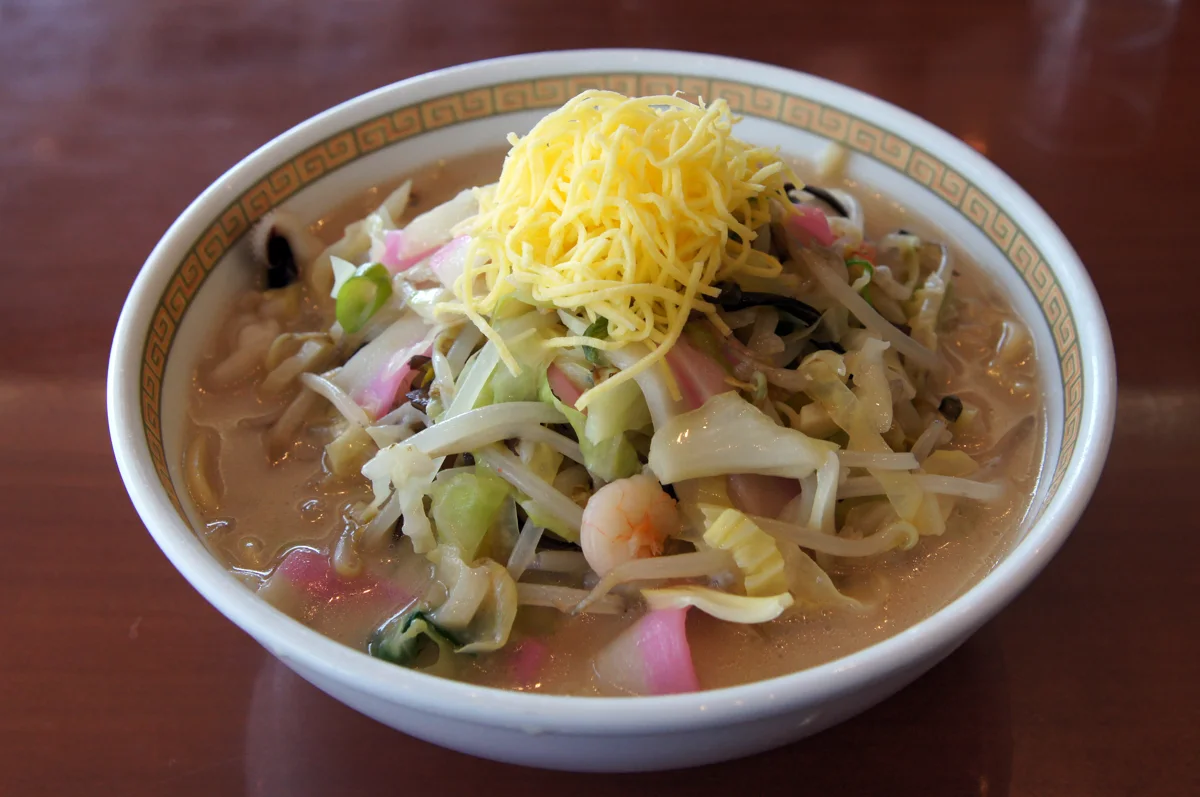 Noodles piled with mixed toppingsChamponちゃんぽん
A noodle dish with a mixture of toppings, especially associated with Nagasaki.
Pictured: Nagasaki champon topped with mixed ingredients. Recipes and servings vary.
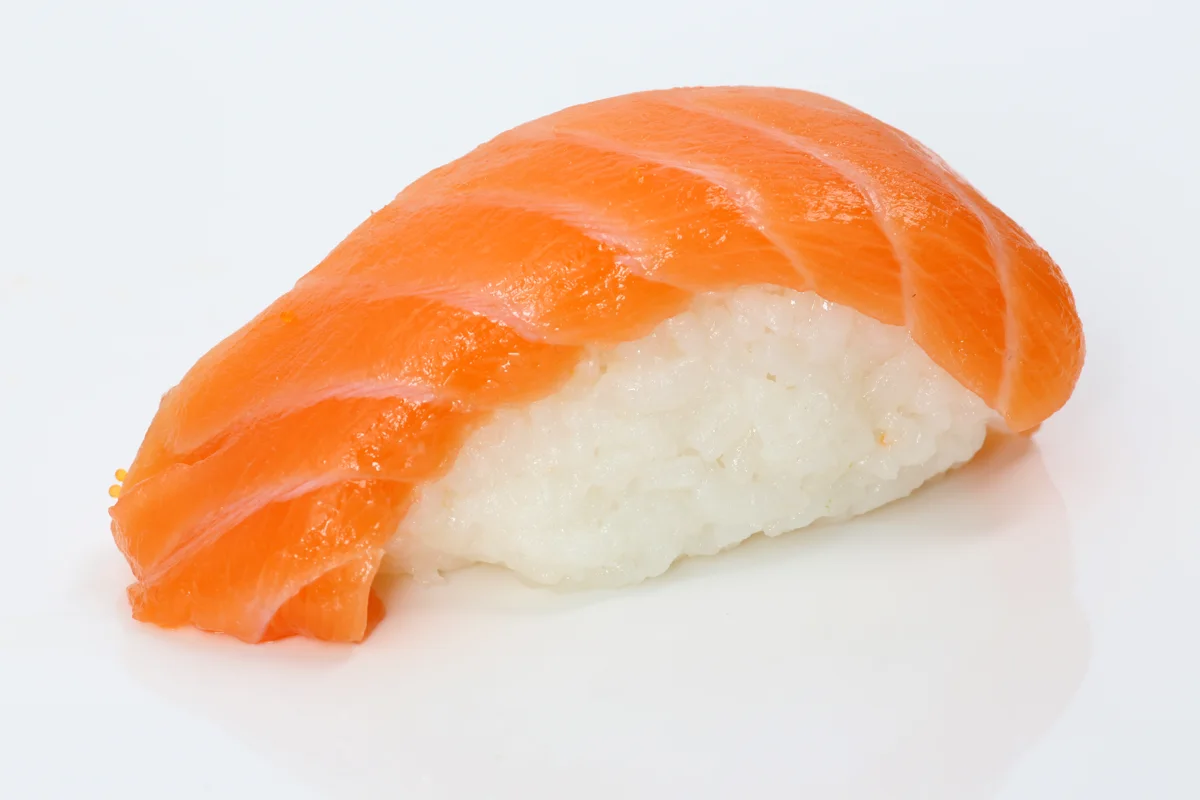 Sushi, one little piece at a timeNigiri sushiにぎり寿司
A small mound of vinegared rice with a topping.
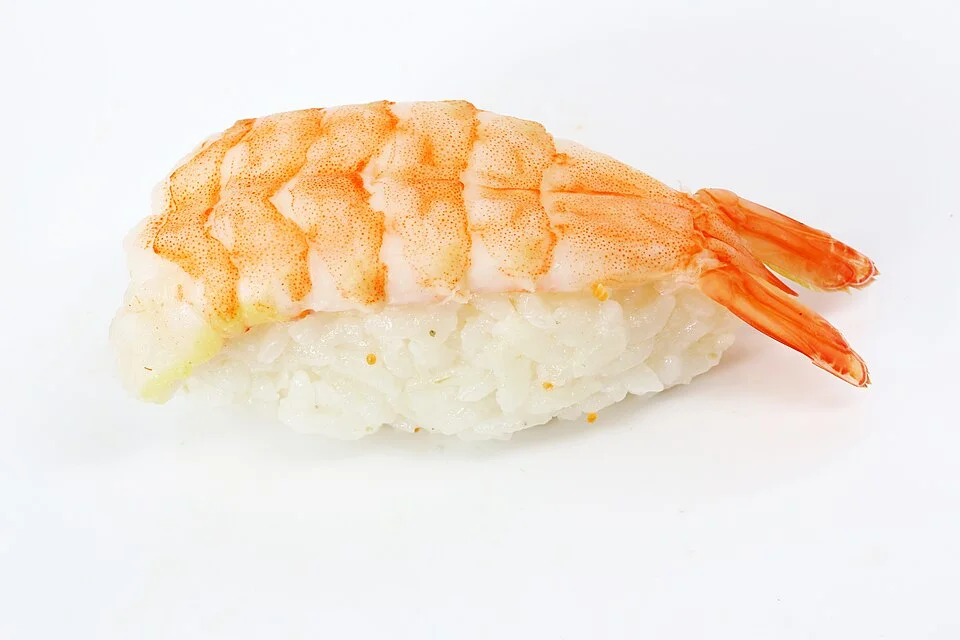
Pictured: salmon nigiri, a fish topping over sushi rice. Recipes and servings vary.
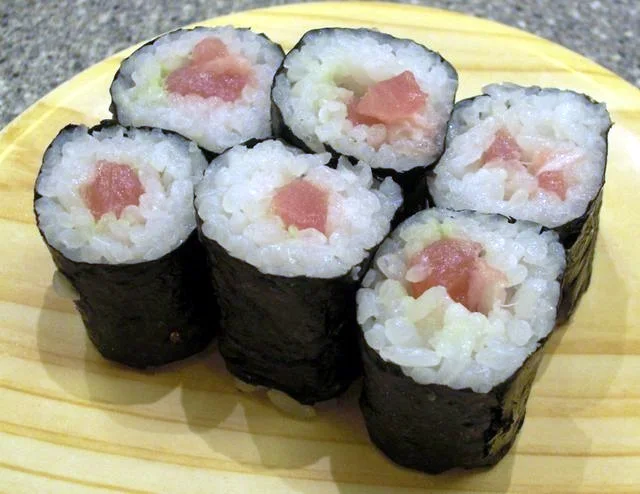 Sushi in a rollMaki & temaki巻き寿司・手巻き寿司
Rolled sushi; hand rolls.
Pictured: tekkamaki, tuna-filled sushi rolls. Recipes and servings vary.
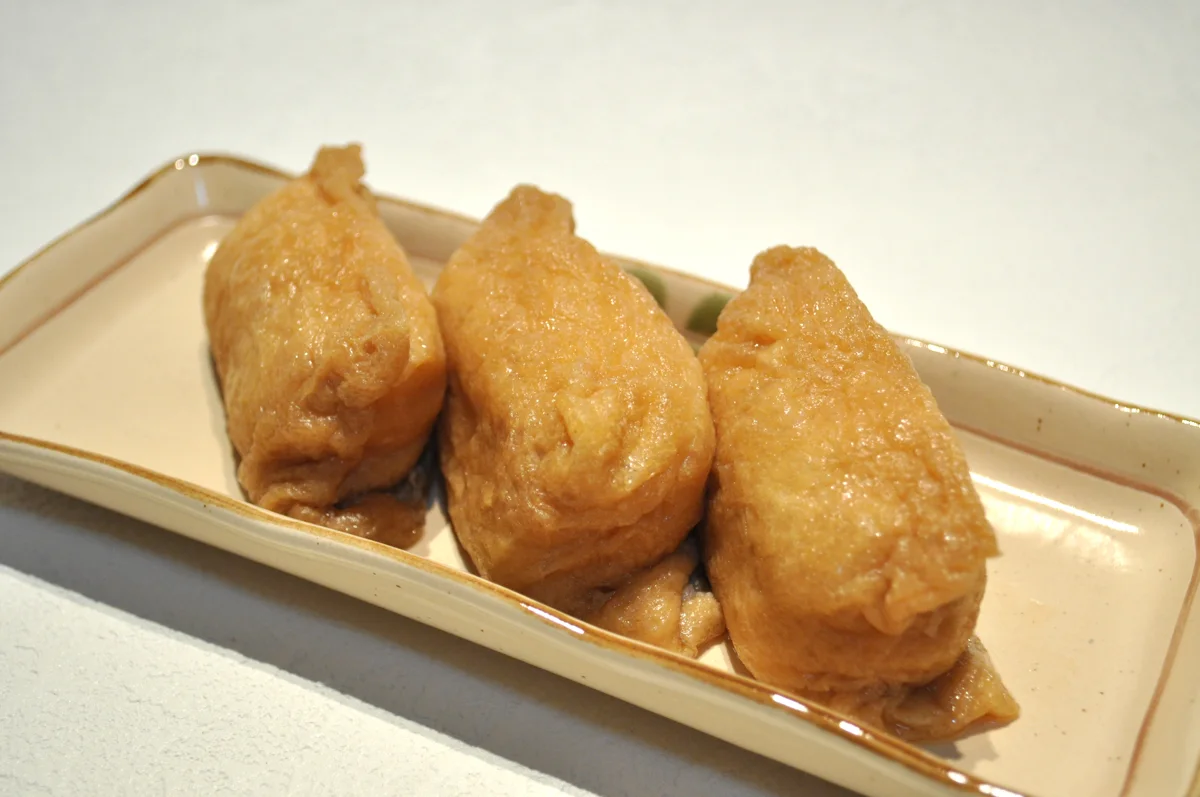 Seasoned tofu pockets & riceInari sushiいなり寿司
Sushi rice in a seasoned tofu pouch.
Pictured: sushi rice inside seasoned tofu pouches. Recipes and servings vary.
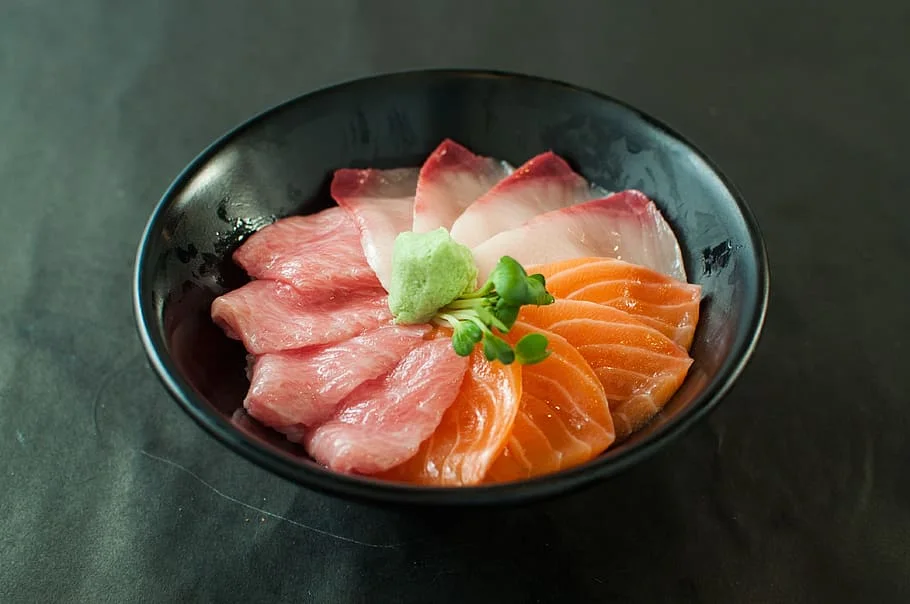 A colourful seafood rice bowlChirashi & kaisendonちらし寿司・海鮮丼
Two useful bowl/arrangement terms to compare.
Pictured: a seafood rice bowl with assorted sliced fish. Recipes and servings vary.
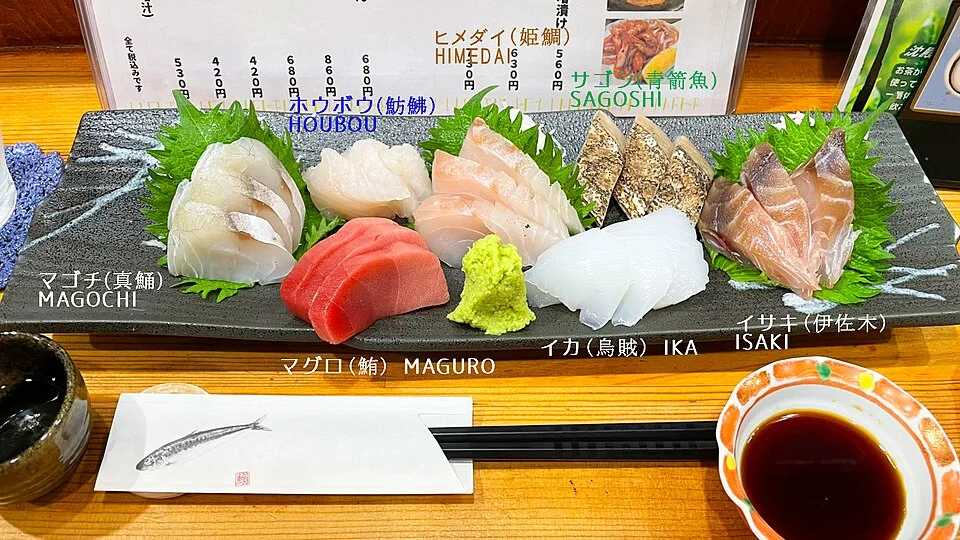 Slices of seafood, without riceSashimi刺身
Sliced fish or other seafood served without sushi rice.
Pictured: an assortment of sliced fish and squid, served without sushi rice. Recipes and servings vary.
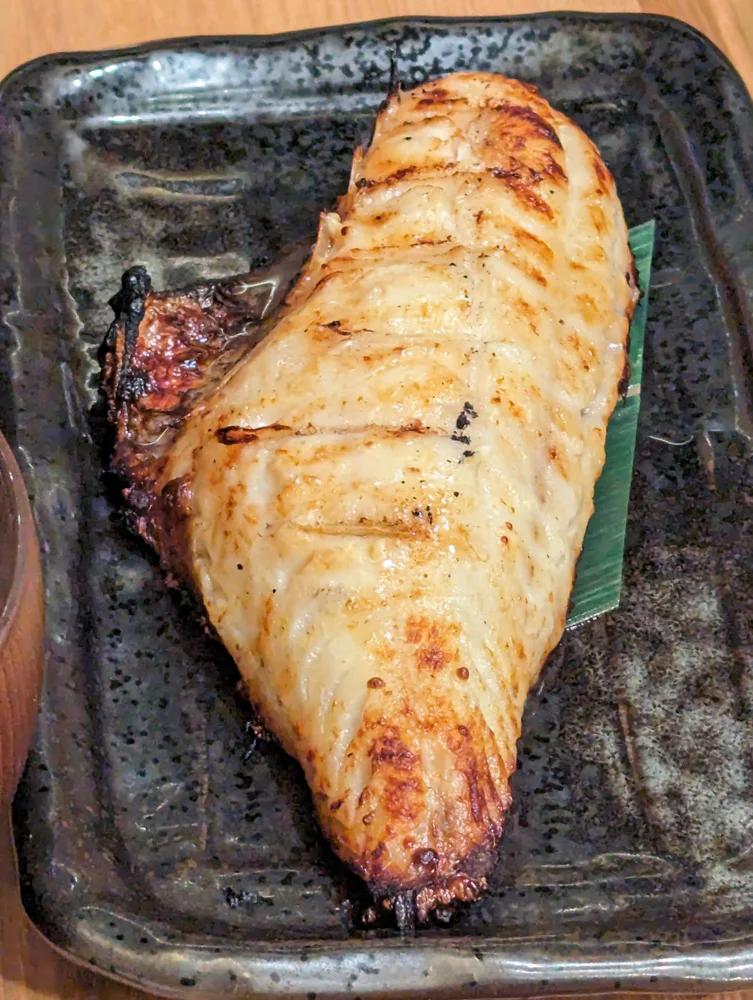 Fish from the grillYakizakana焼き魚
Grilled fish.
Pictured: a split, grilled hokke fish. Recipes and servings vary.
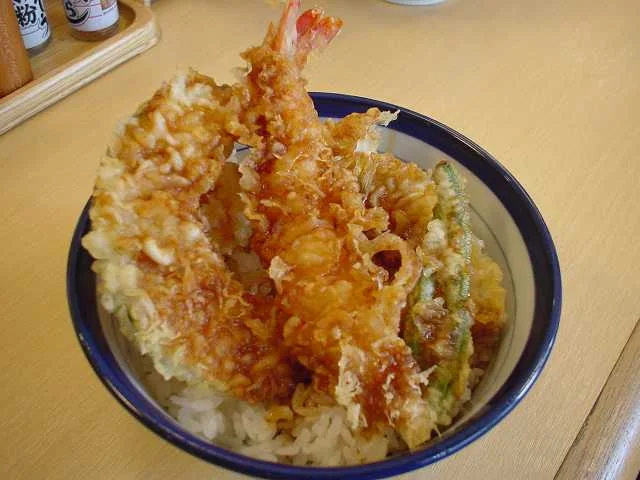
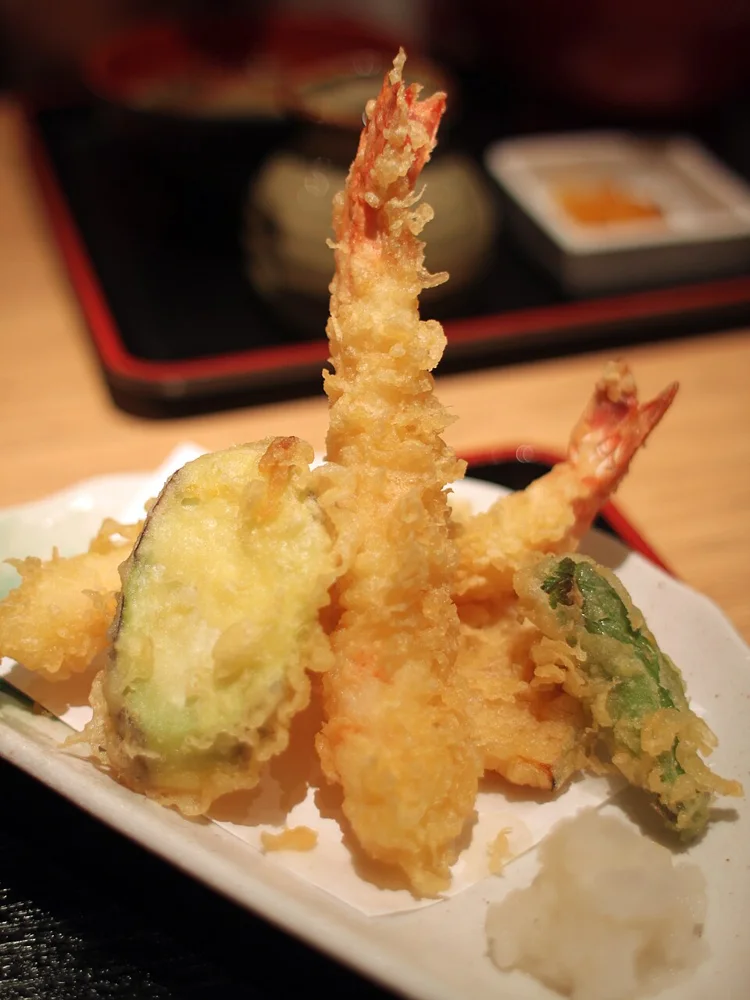 Delicately crisp batterTempura天ぷら
Ingredients in a light batter, fried.
Pictured: prawn and vegetable tempura. Recipes and servings vary.
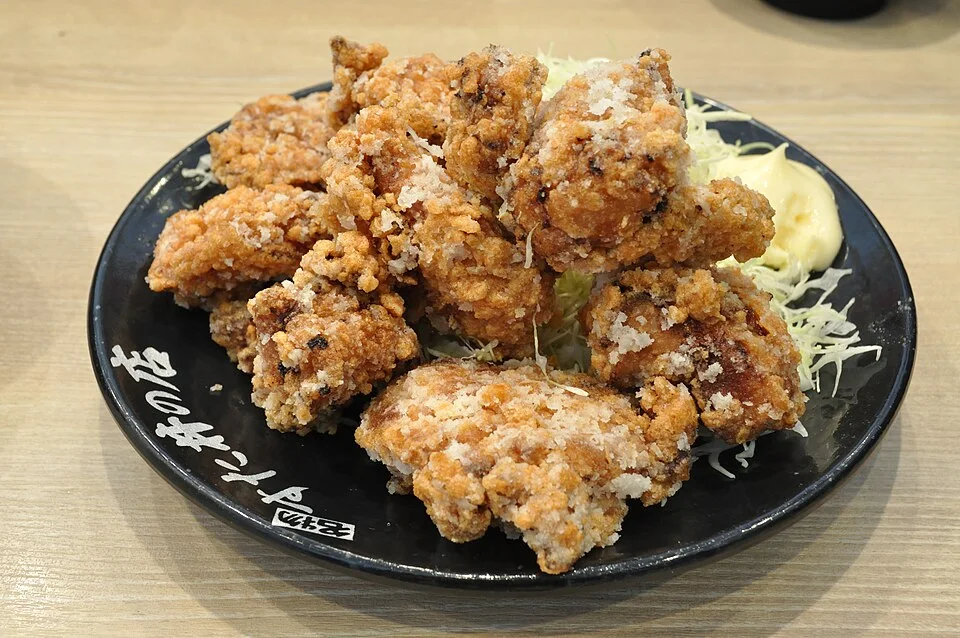 Crisp, juicy chicken piecesChicken karaage鶏の唐揚げ
Marinated, coated fried pieces, commonly chicken.
Pictured: a generous plate of chicken karaage with shredded cabbage. Recipes and servings vary.
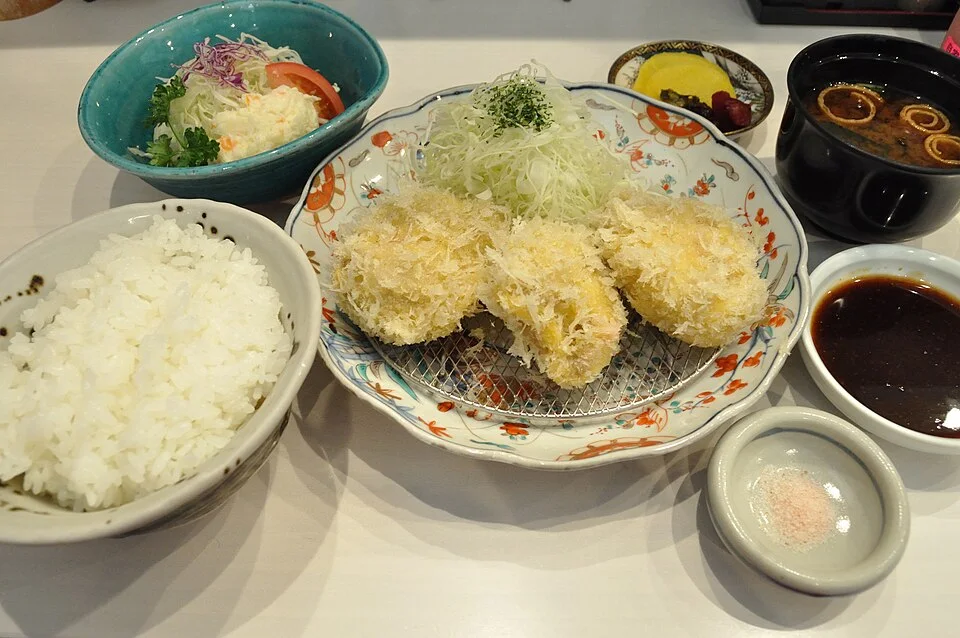 A crisp pork cutletTonkatsuとんかつ
Breaded pork cutlet.
Pictured: a pork cutlet set with rice, soup and accompaniments. Recipes and servings vary.
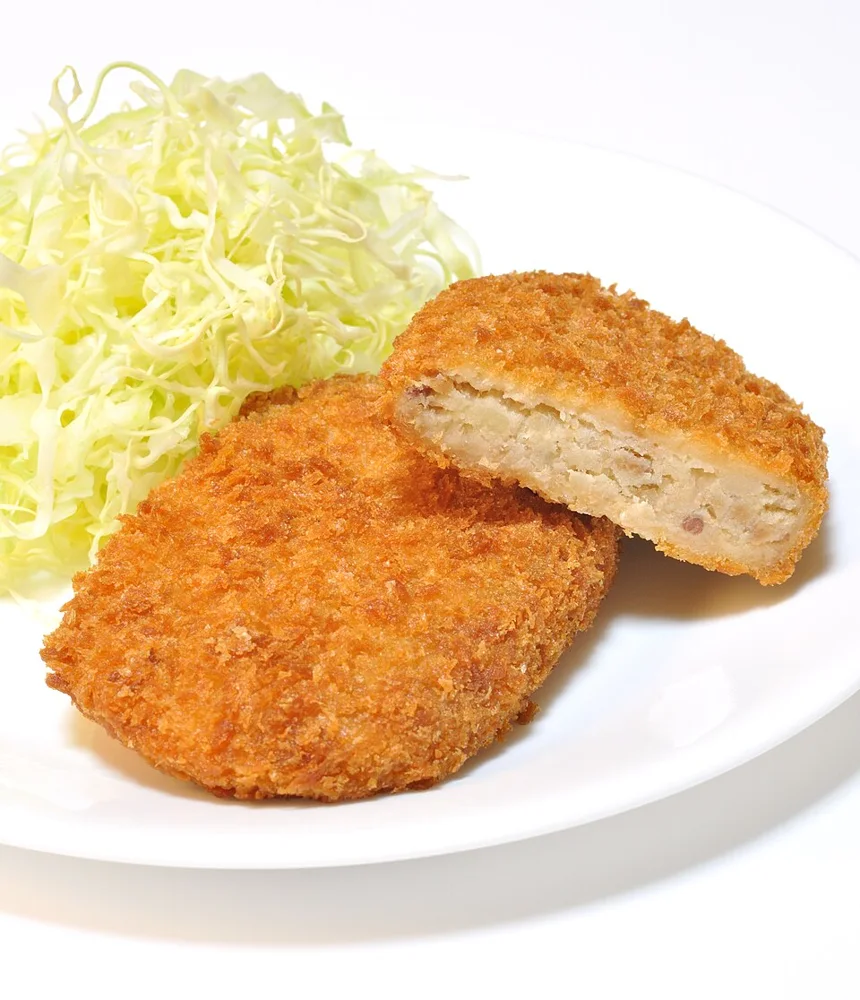 Golden croquettes & fried prawnsKorokke & ebi fryコロッケ・エビフライ
Croquettes; breaded fried prawns.
Pictured: potato croquettes, with one cut open to show its filling. Recipes and servings vary.
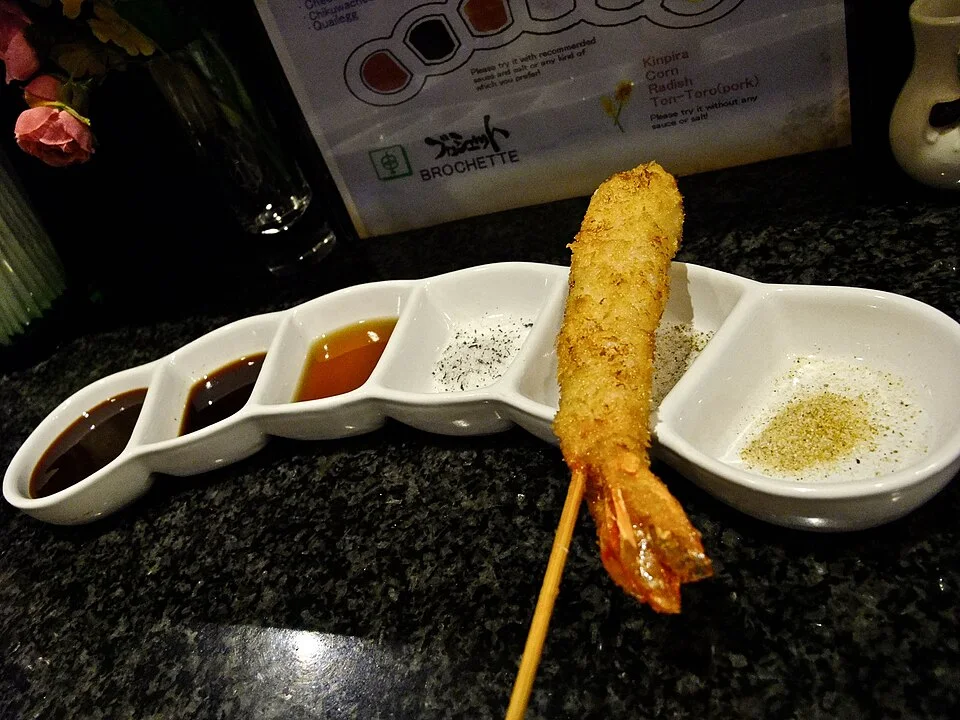 Little bites on fried skewersKushikatsu串カツ
Fried skewers.
Pictured: fried skewers with dipping sauces. Recipes and servings vary.
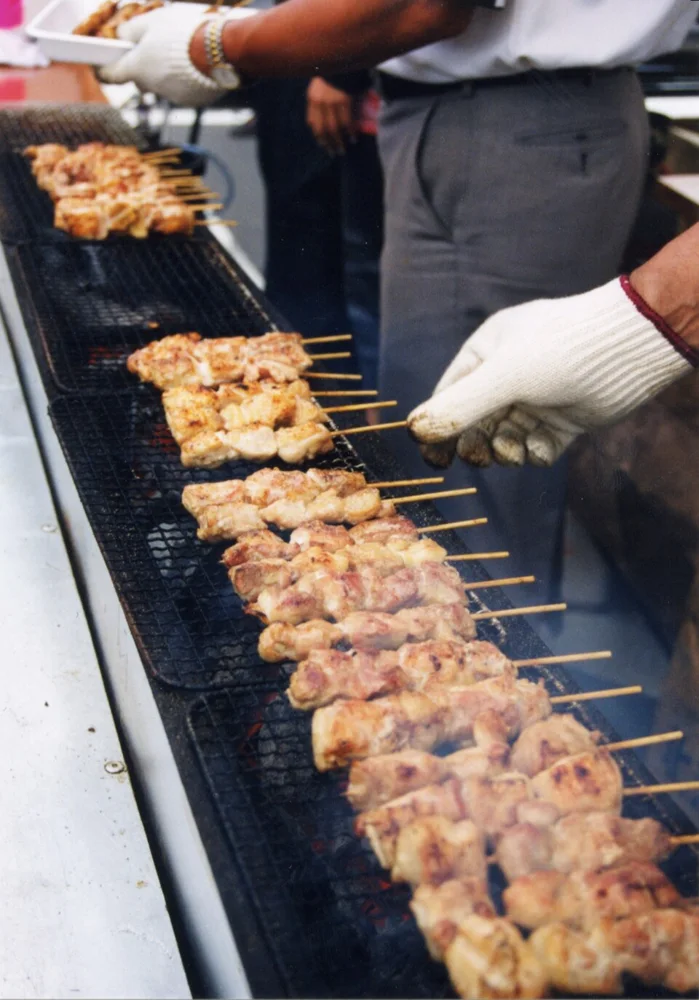 Chicken from the charcoal grillYakitori焼き鳥
Grilled chicken skewers.
Pictured: chicken skewers cooking over a grill. Recipes and servings vary.
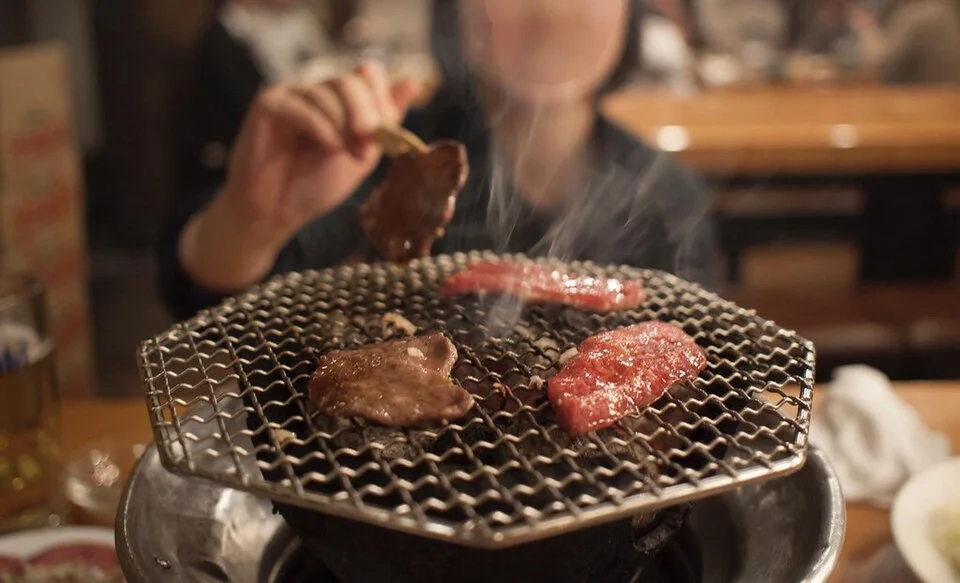 Cook a few bites at the tableYakiniku焼肉
Grilled meat, often cooked at a table grill.
Pictured: small pieces of meat cooking on a table grill. Recipes and servings vary.
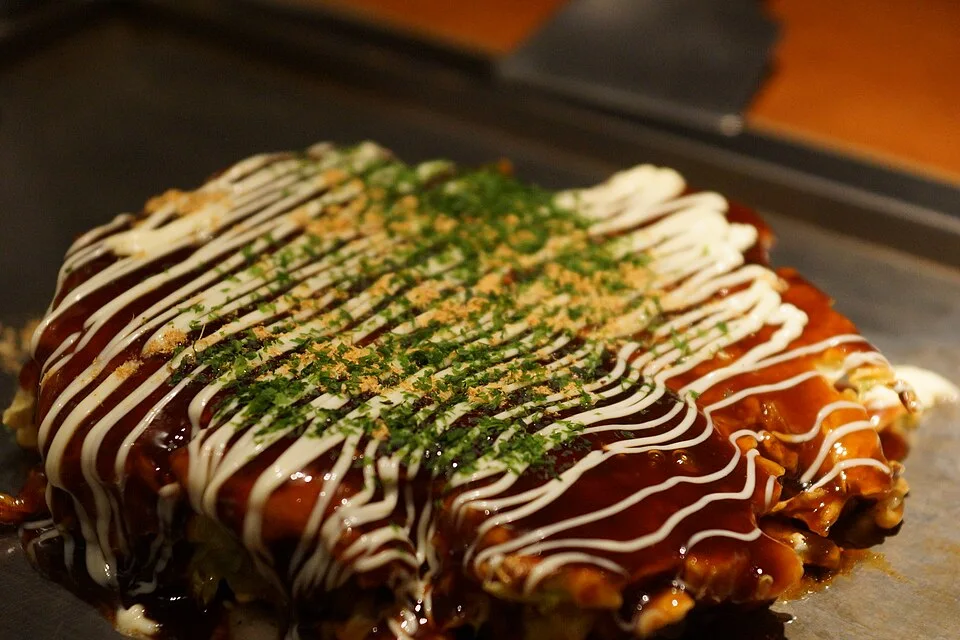 Cabbage & batter on the hotplateOkonomiyakiお好み焼き
A savoury cabbage-and-batter dish cooked on a hotplate.
Pictured: okonomiyaki with sauce and a mayonnaise-style topping. Recipes and servings vary.
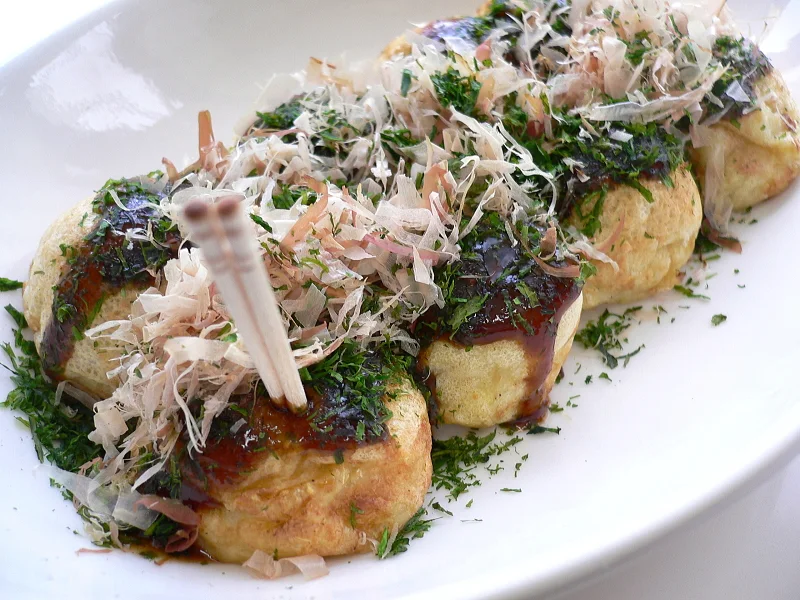 Hot little octopus-filled bitesTakoyakiたこ焼き
Batter balls with octopus.
Pictured: takoyaki with sauce, seaweed and bonito-flake toppings. Recipes and servings vary.
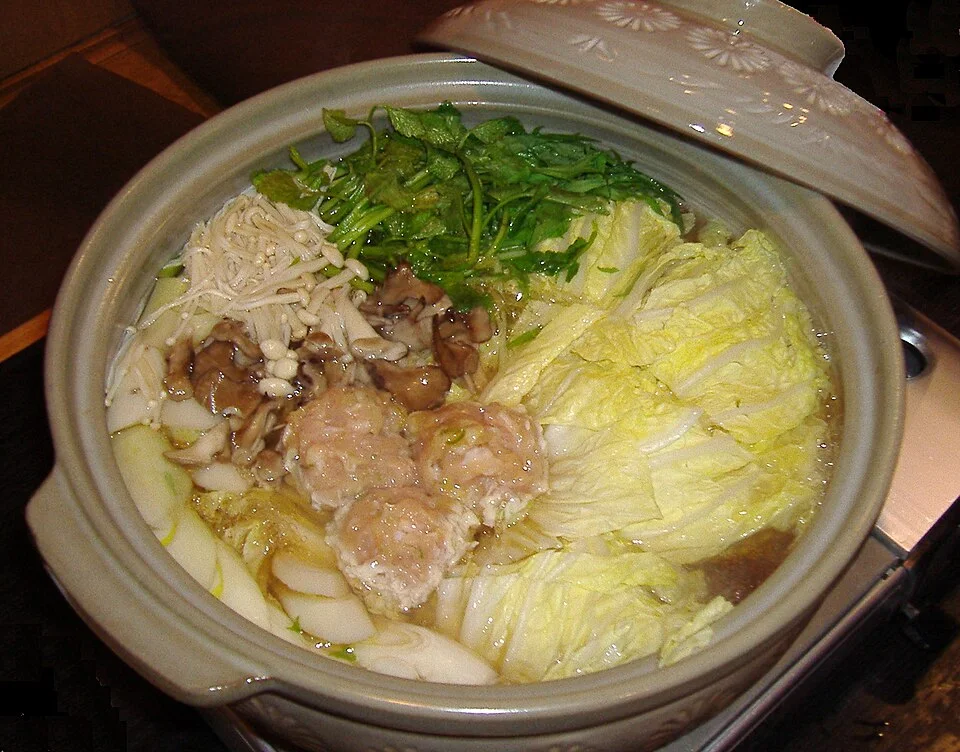 A warming pot to shareNabe鍋
An umbrella term for hotpot dishes.
Pictured: a hotpot with cabbage, tofu and other ingredients. Recipes and servings vary.
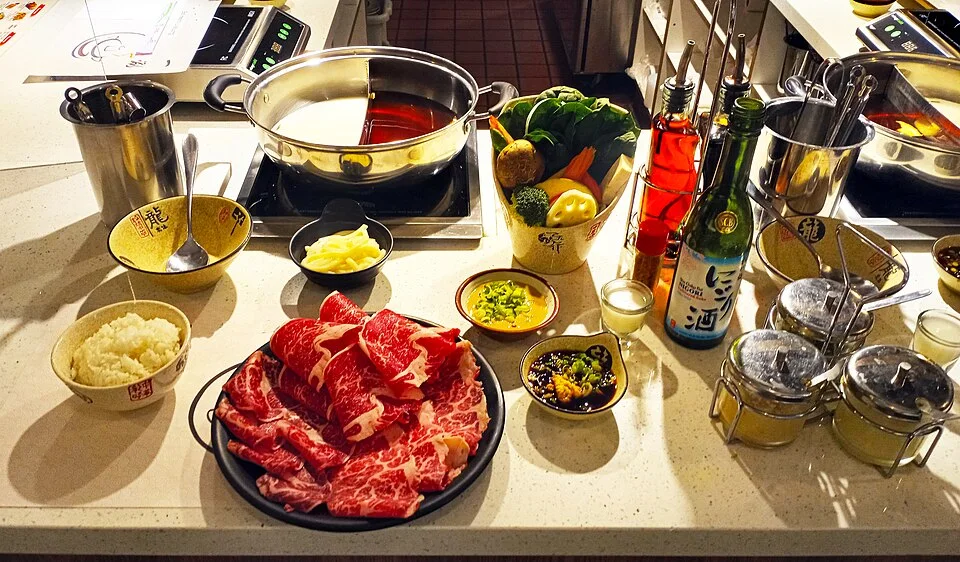 Thin slices, briefly cookedShabu-shabuしゃぶしゃぶ
Thin ingredients briefly cooked in a pot.
Pictured: a shabu-shabu spread with raw meat, vegetables and a divided cooking pot. Recipes and servings vary.
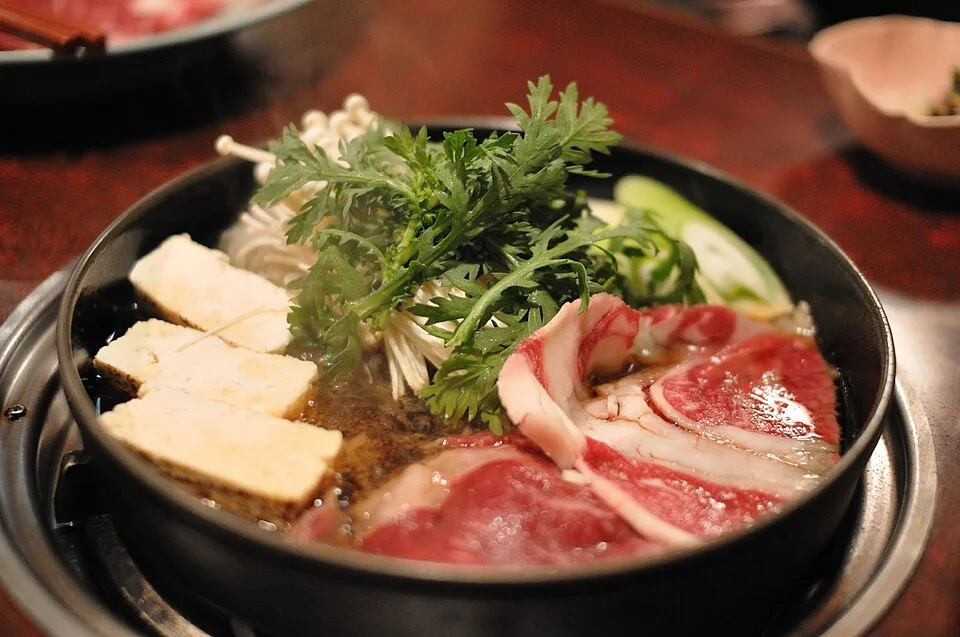 A sweet-savoury simmering potSukiyakiすき焼き
Meat and other ingredients cooked with sweet-savoury seasoning.
Pictured: sukiyaki with meat and vegetables. Recipes and servings vary.
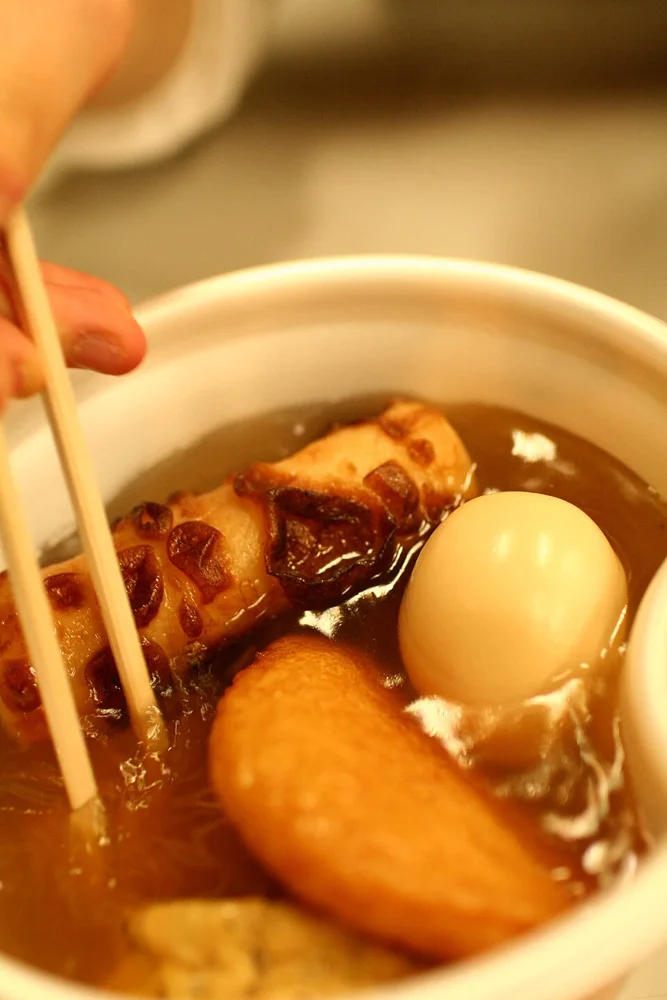 Pick your favourite simmered bitesOdenおでん
Assorted ingredients simmered in broth.
Pictured: assorted oden ingredients simmering in broth. Recipes and servings vary.
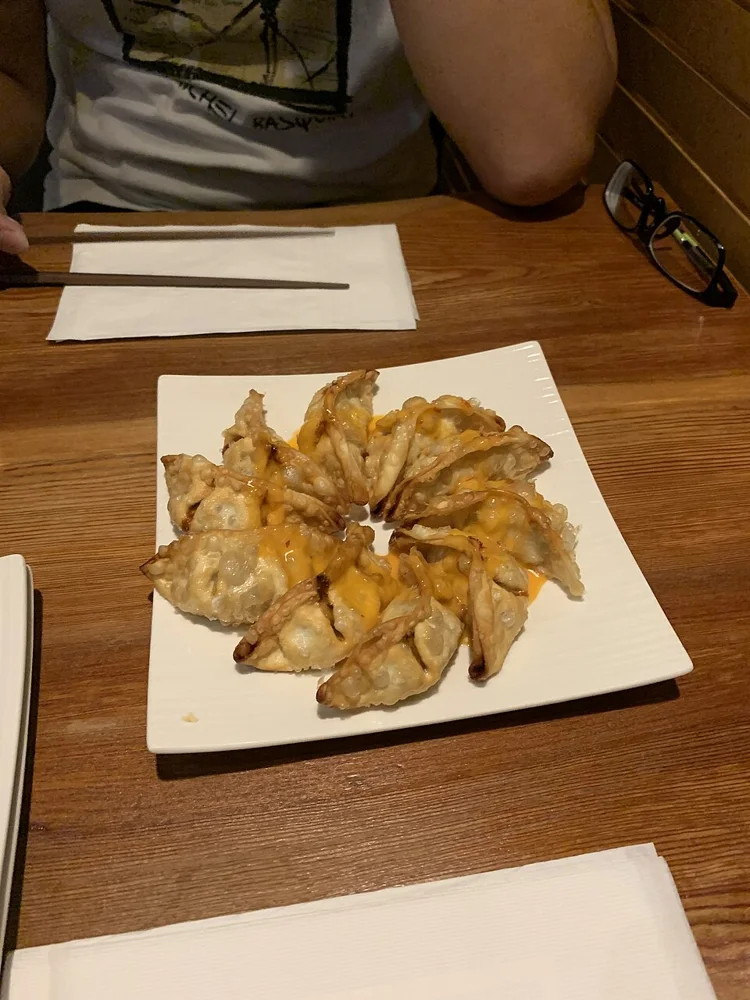 A plate of filled dumplingsGyoza餃子
Filled dumplings, often pan-fried.
Pictured: pan-fried gyoza dumplings. Recipes and servings vary.
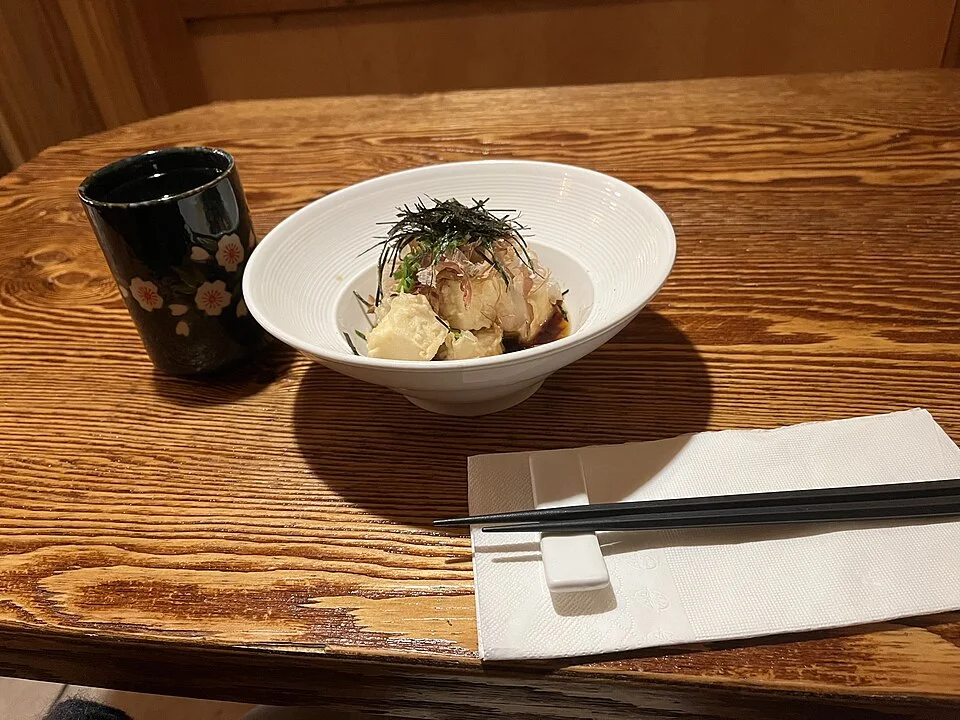 Tofu, chilled, warmed or crispTofu dishes豆腐料理
A family of dishes using tofu.
Pictured: agedashi tofu, fried tofu served with broth. Recipes and servings vary.
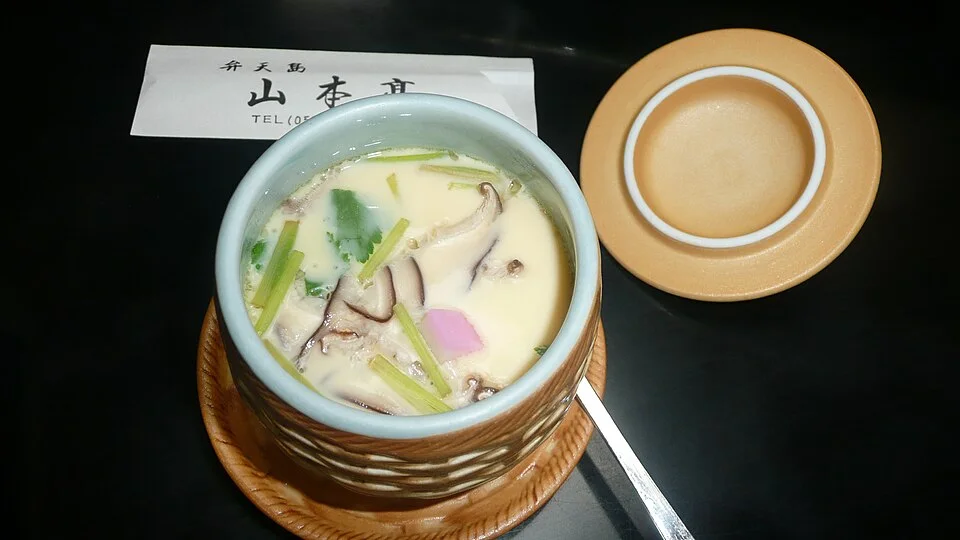 A delicate savoury egg custardChawanmushi茶碗蒸し
A savoury steamed egg custard.
Pictured: chawanmushi, a savoury steamed egg custard. Recipes and servings vary.
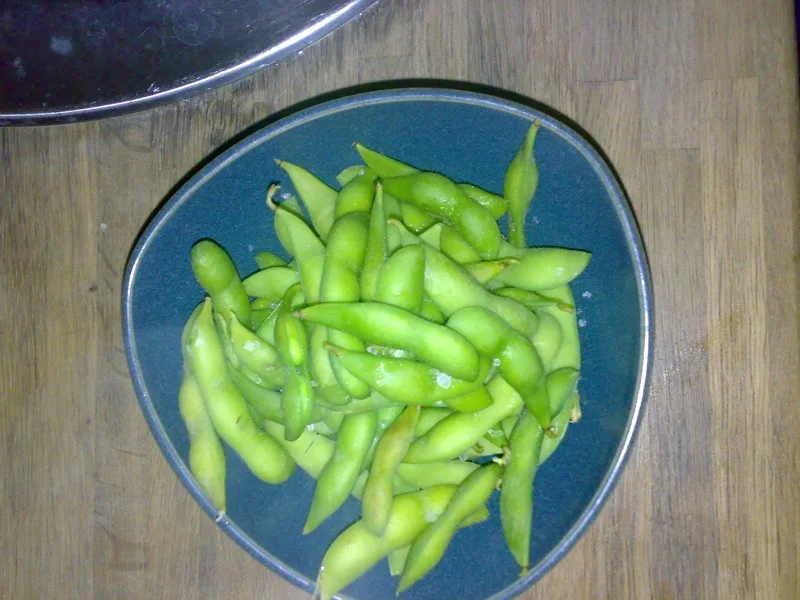 Little green beans to nibbleEdamame枝豆
Small dishes that can begin or accompany a meal.
Pictured: edamame in their pods, ready to shell. Recipes and servings vary.
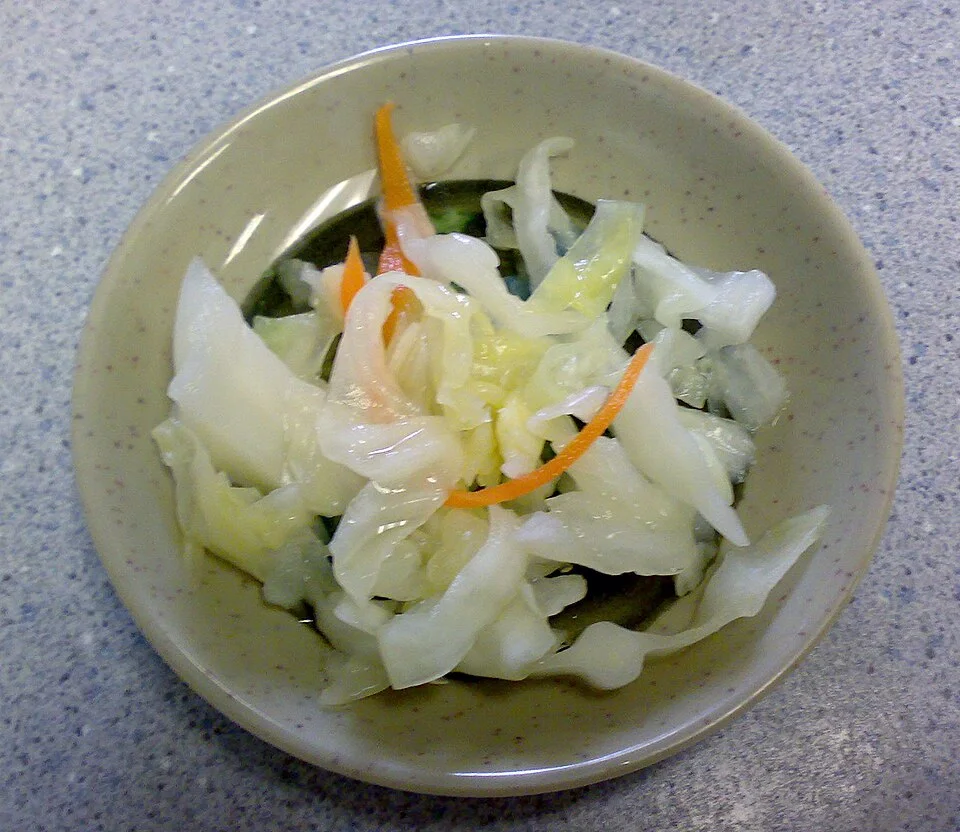 Pickles & fermented flavoursTsukemono & natto漬物・納豆
Pickles and a route into flavours such as natto.
Pictured: an assortment of Japanese pickles. Recipes and servings vary.
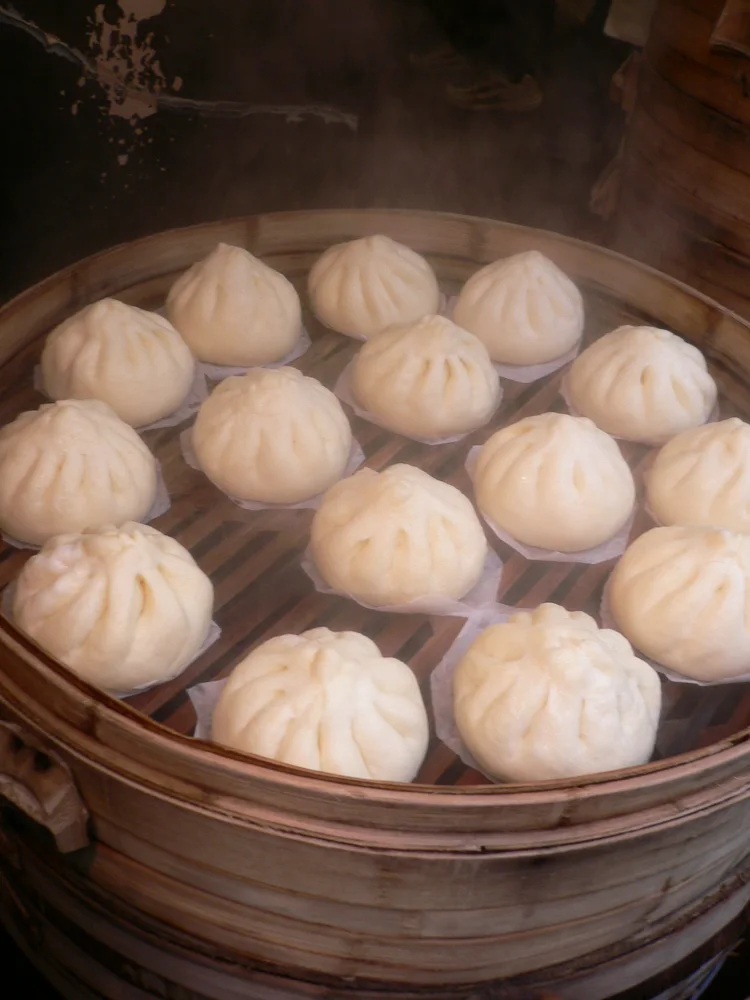 A warm, fluffy filled bunNikuman肉まん
A steamed bun with a meat filling.
Pictured: nikuman meat buns in a steamer. Recipes and servings vary.
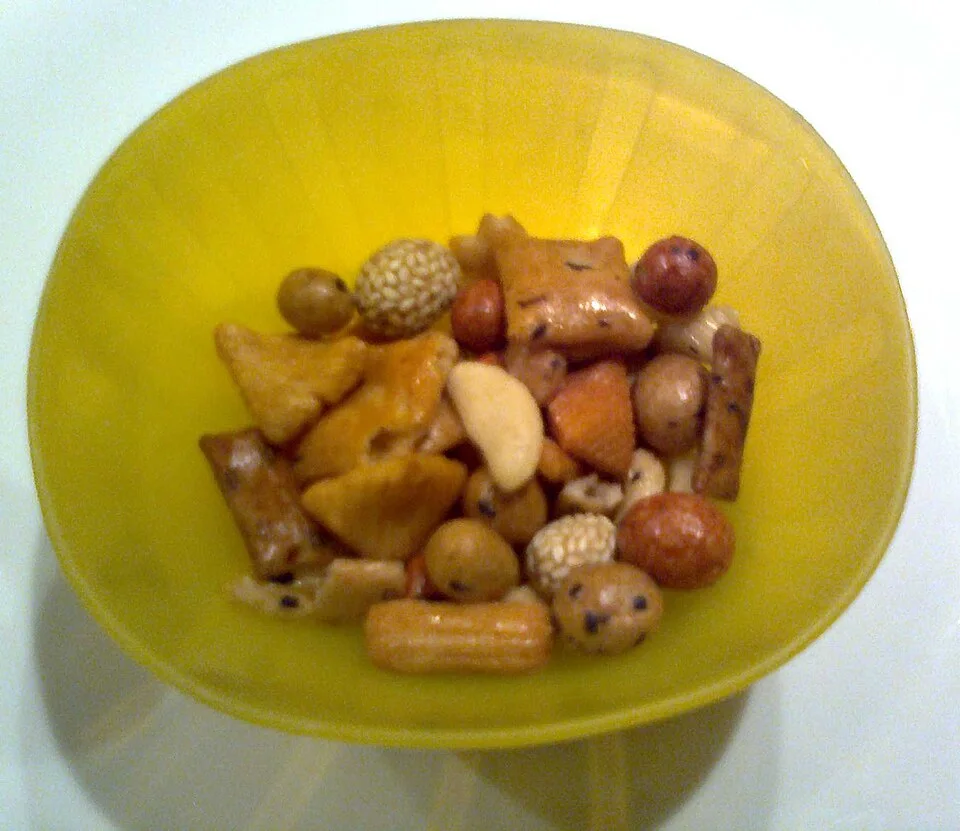 A crunchy cracker stopSenbeiせんべい
Crackers, commonly rice-based.
Pictured: a bowl of mixed Japanese crackers. Recipes and servings vary.
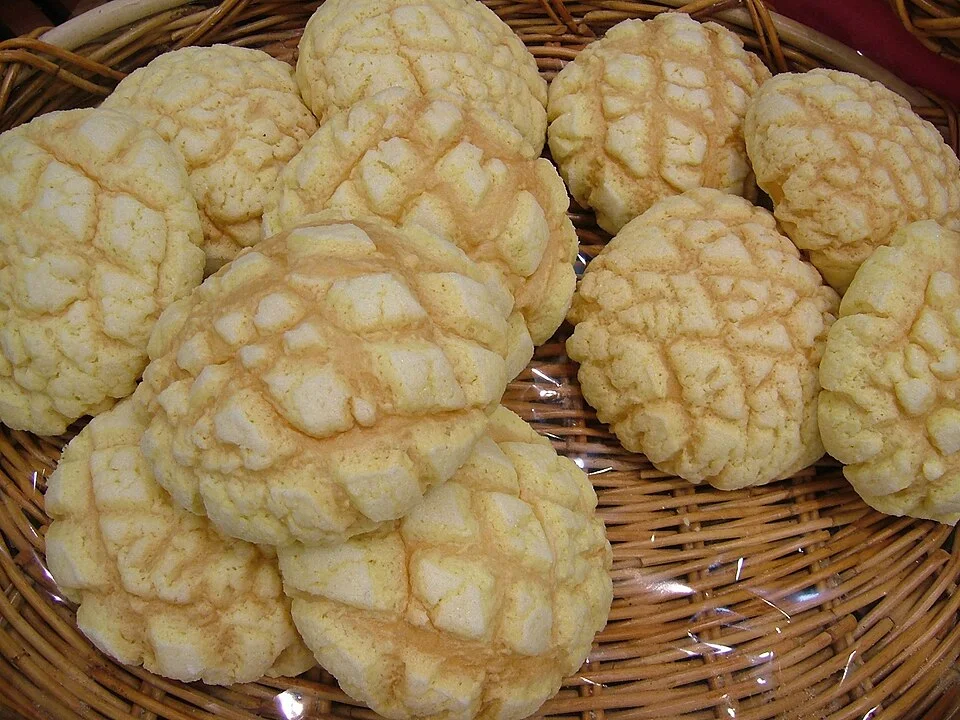 A little stop at the bakeryJapanese bakery favourites日本のパン
Melonpan, anpan, curry bread and savoury breads.
Pictured: melonpan with its patterned, biscuit-like surface. Recipes and servings vary.
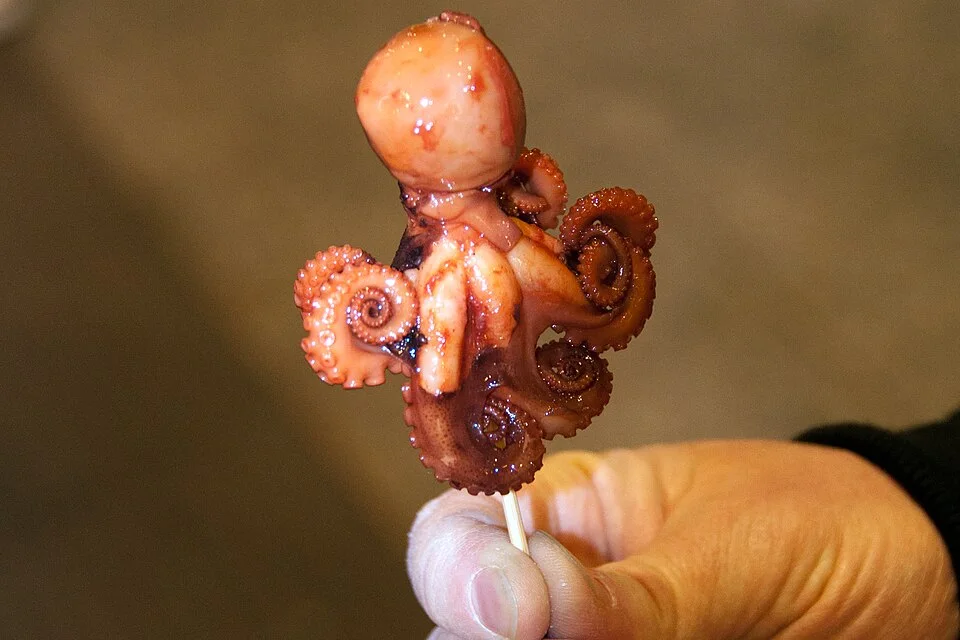 Choose a bite at the counterMarket & shop-counter snacks市場のおやつ
A context card for locally sold prepared food.
Pictured: a cooked baby-octopus skewer at Nishiki Market. Recipes and servings vary.
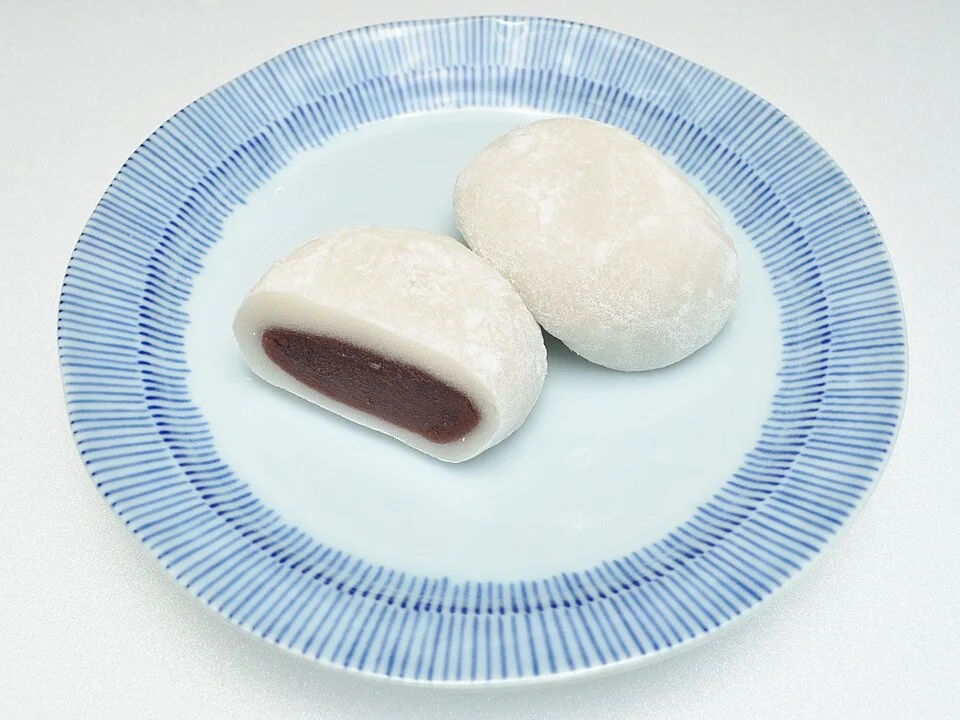 Soft rice cake with a fillingMochi & daifuku餅・大福
Rice-cake textures; daifuku is usually filled.
Pictured: daifuku rice cakes with a sweet filling. Recipes and servings vary.
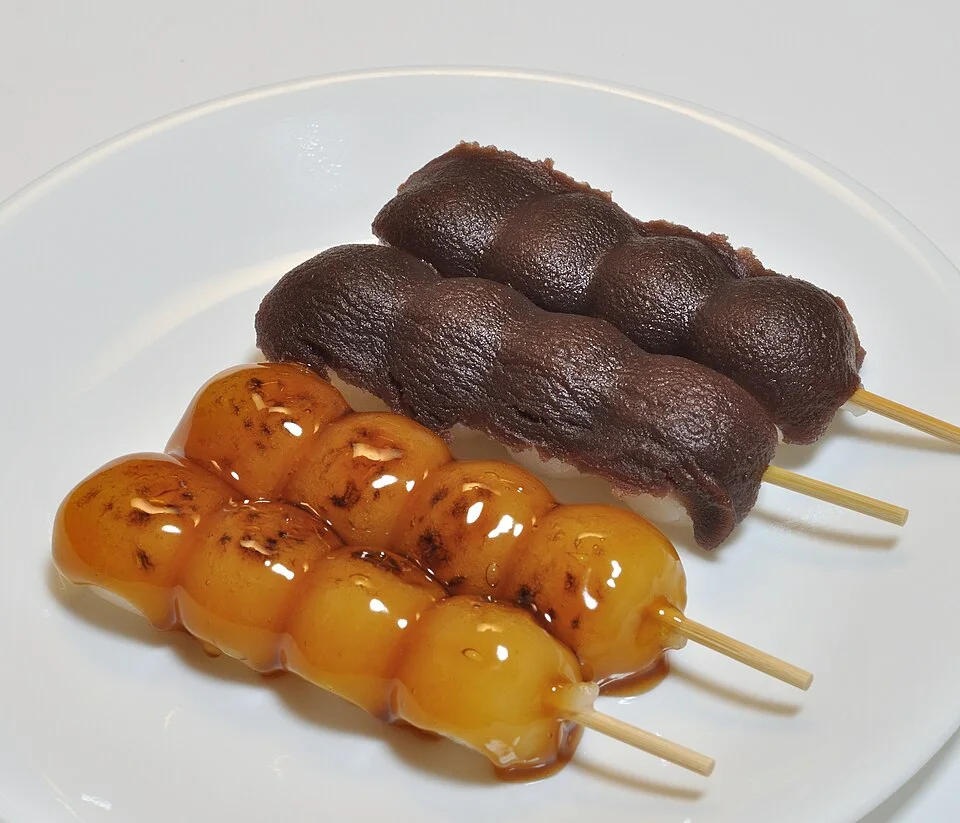 Little dumplings on a stickDango団子
Small dumplings, often on a skewer.
Pictured: mitarashi dango in front, with other dango skewers behind. Recipes and servings vary.
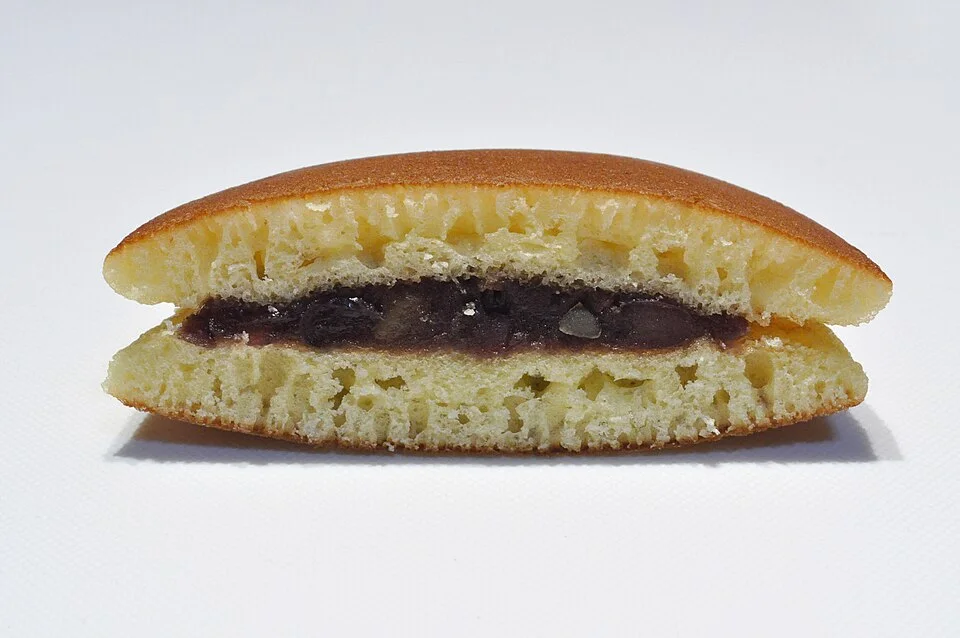 A soft cake with a sweet fillingDorayaki & taiyakiどら焼き・たい焼き
Filled pancake sandwiches; fish-shaped filled cakes.
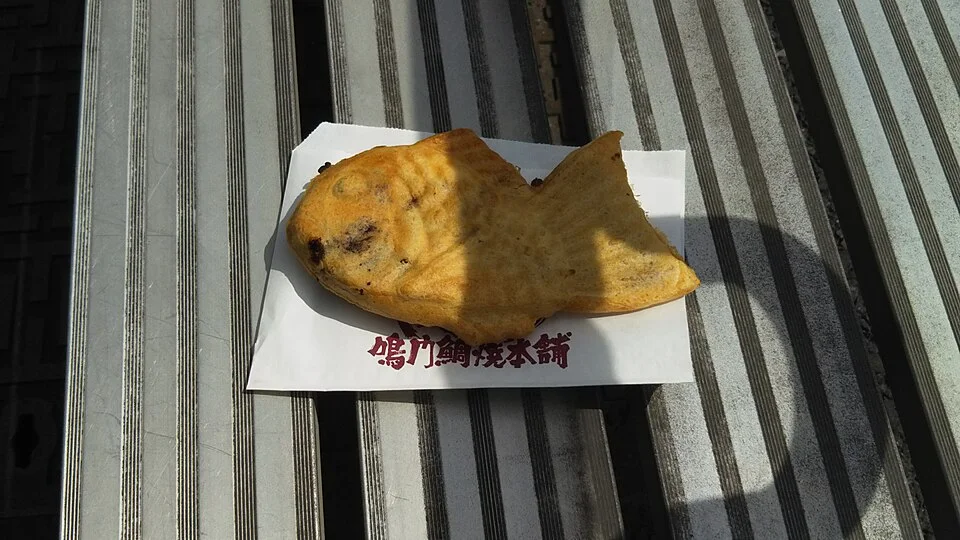
Pictured: a cut dorayaki showing bean paste and chestnut in the filling. Recipes and servings vary.
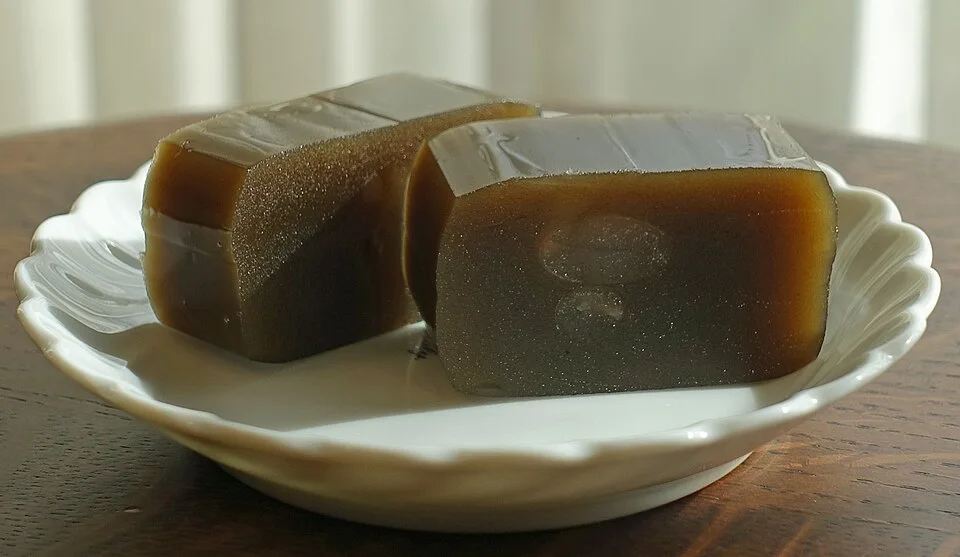 A sweet bite with teaManju & yokanまんじゅう・羊羹
Filled buns/cakes; a firm bean-based sweet.
Pictured: sliced yokan, a firm bean-based sweet. Recipes and servings vary.
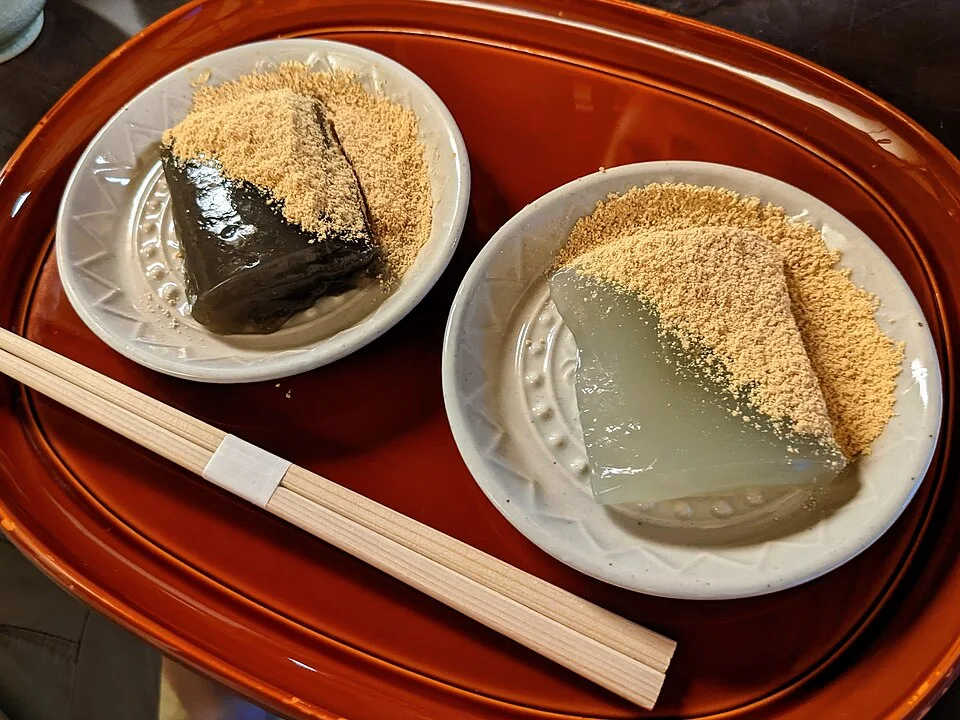 A soft, jelly-like sweetWarabi mochiわらび餅
A soft, jelly-like sweet, often with roasted soybean flour.
Pictured: two styles of warabi mochi dusted with kinako, roasted soybean flour. Recipes and servings vary.
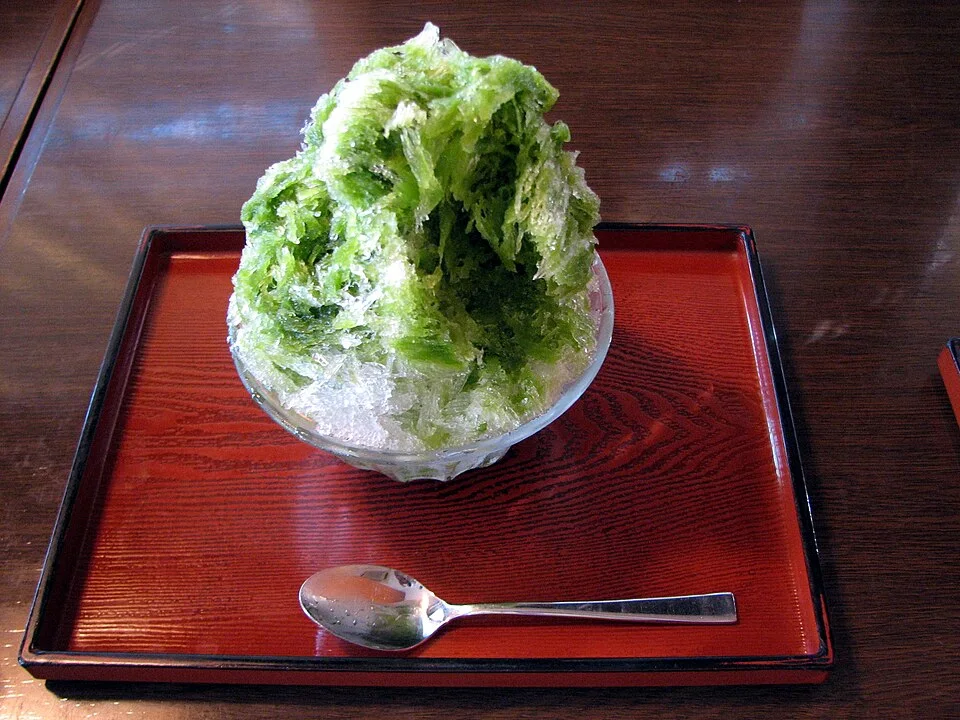 A mountain of shaved iceKakigoriかき氷
Shaved ice with flavourings and toppings.
Pictured: matcha-flavoured shaved ice. Recipes and servings vary.
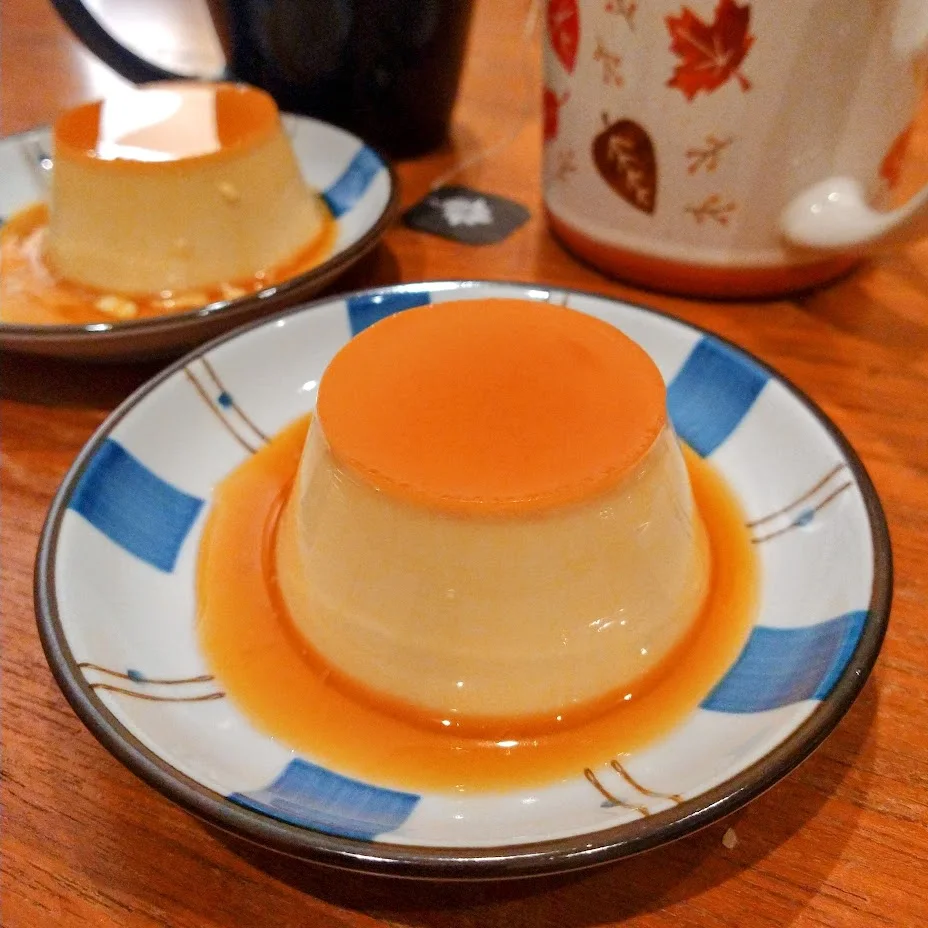 Pudding, parfaits & soft servePurin & café dessertsプリン・パフェ・ソフトクリーム
Custard pudding, layered desserts and soft ice cream.
Pictured: a caramel-topped custard pudding. Recipes and servings vary.
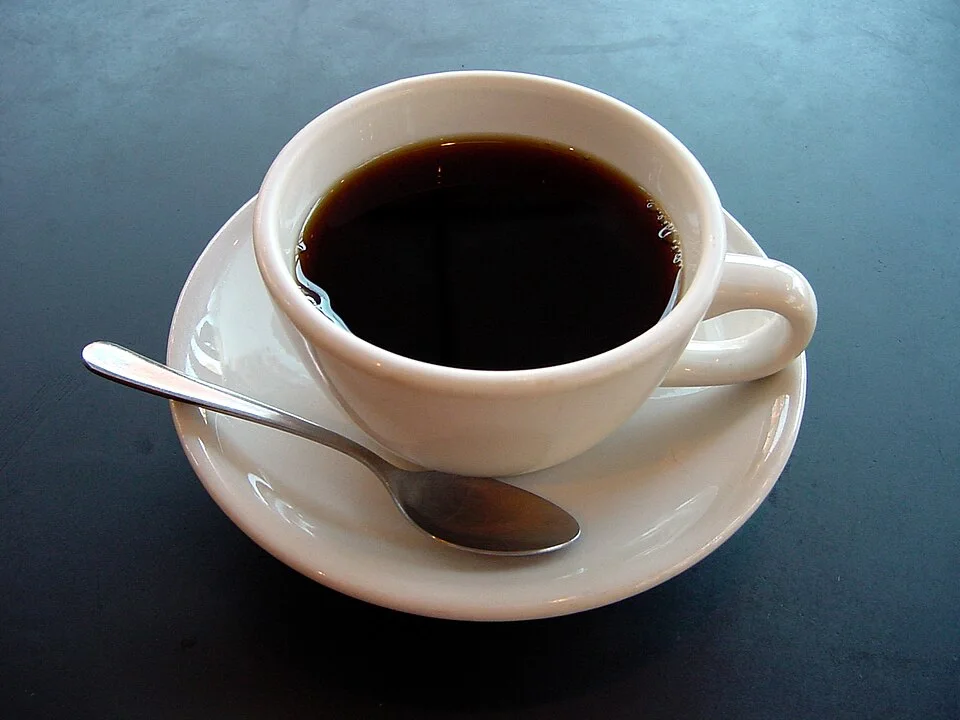 Pause for a good cupCoffeeコーヒー
A drink choice and a café experience.
Pictured: a small cup of black coffee. Recipes and servings vary.
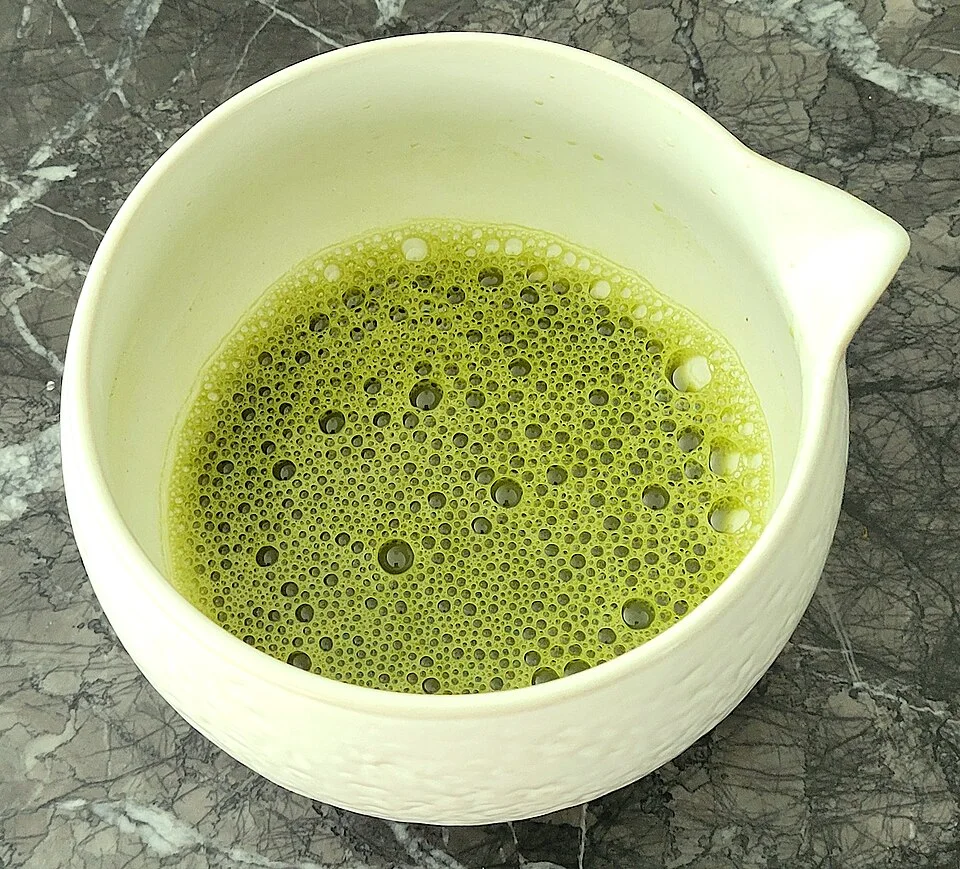 Find your kind of Japanese teaJapanese tea日本茶
Sencha 煎茶, hojicha ほうじ茶, genmaicha 玄米茶 and matcha 抹茶.
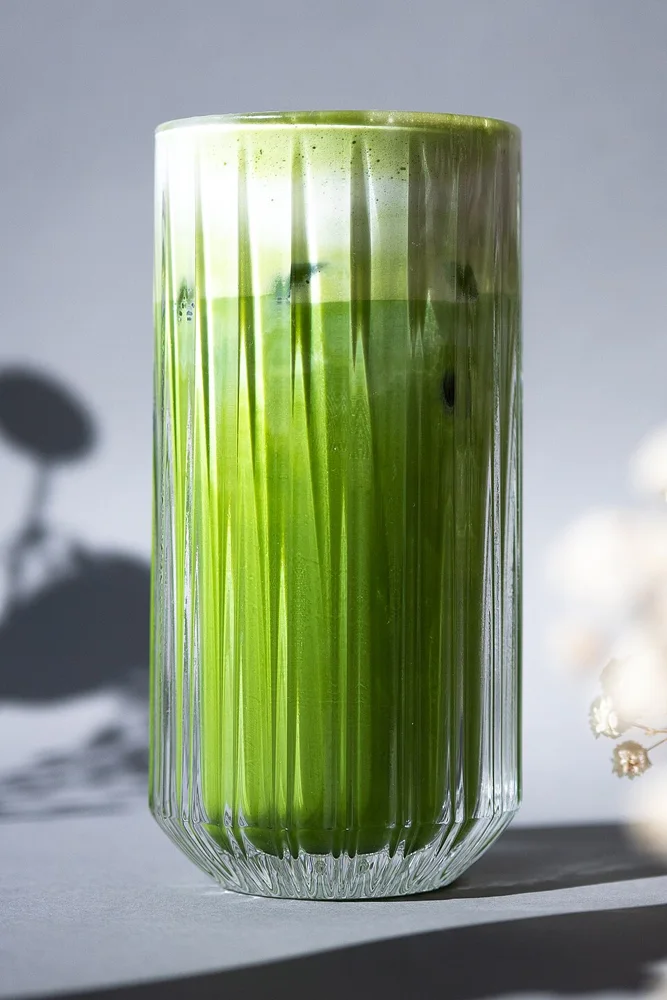
Pictured: prepared matcha in a tea bowl. Recipes and servings vary.
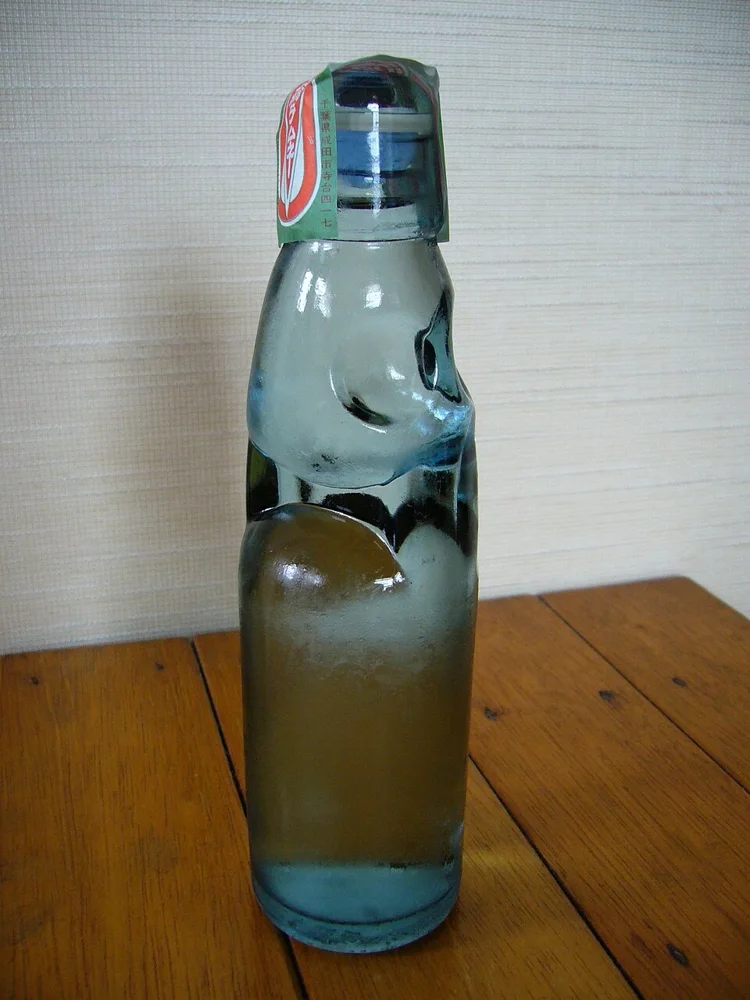 Something refreshing to drinkWater & other drinks飲み物
Water, soft drinks, beer, nihonshu and shochu.
Pictured: a bottle of ramune soft drink. Recipes and servings vary.
No matching dish yet. Try a shorter word, choose another family, or .
Similar names. Different dinner.
A few pictures can save
a lot of menu puzzling.
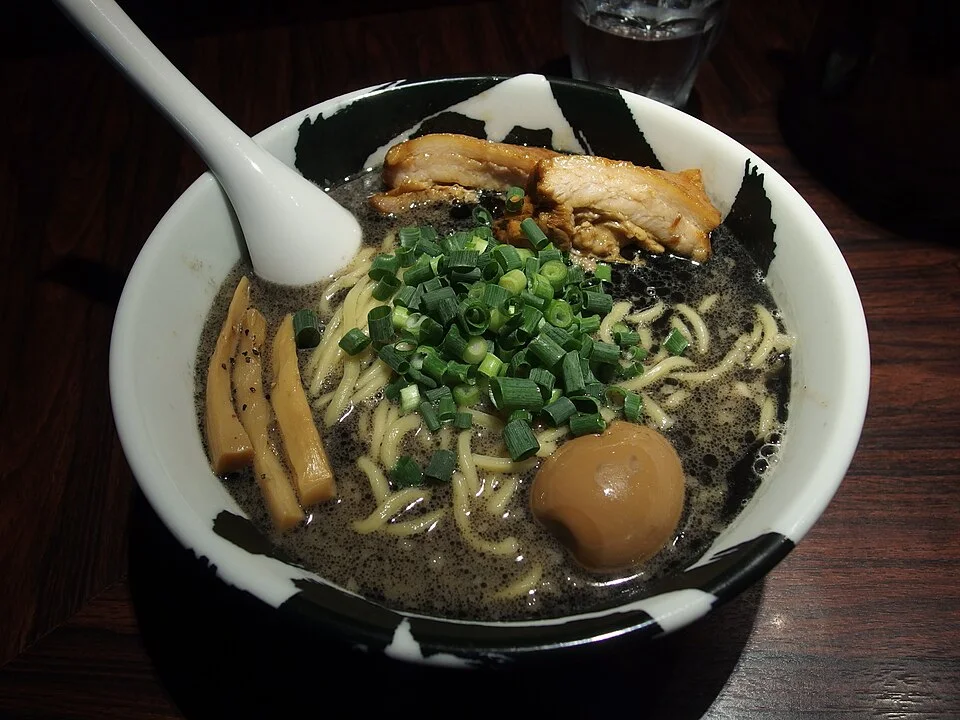
Tonkatsu とんかつ is breaded pork cutlet. Tonkotsu 豚骨 means pork bone, commonly a ramen broth. One little letter changes dinner.
Sushi includes seasoned rice; its topping can be raw or cooked. Sashimi is sliced seafood without sushi rice and is usually raw.
Ramen: wheat noodles with many broth styles. Udon: thick wheat noodles. Soba: buckwheat noodles, often mixed with wheat. Choose the serving style too.
Soba often mixes buckwheat with wheat. Yakisoba and Okinawa soba usually use wheat noodles. Similar names are not an ingredient guarantee. See the food · Yakisoba
Donburi is topped rice in a bowl. Teishoku is a set with several separate components. Read what the particular meal includes. See the food · Set meal · teishoku
Tempura has a light batter around ingredients such as seafood or vegetables. Tonkatsu is pork cutlet in breadcrumbs. See the food · Tonkatsu
Nigiri is a form of sushi: seasoned rice with a topping. Onigiri is a shaped rice snack, often with a filling. See the food · Onigiri
Wagyu describes a category of beef. Yakiniku means grilled meat, often at your table. Teppanyaki is cooking on an iron plate. Check the cut, preparation and price. See the food
Matcha is powdered green tea or tea made from it. A matcha latte may contain milk and sweetener. Ask what the café puts in yours. See the food
Kaiseki is a course-meal tradition. Kaisendon is a seafood rice bowl. Similar-looking words describe very different meals. See the food
丼DonburiRice bowl
定食TeishokuSet meal
セットSettoCombination; check inclusions
単品TanpinOne item on its own
並・大盛りNami · ōmoriRegular · large serving
焼きYakiGrilled, surface-fried or baked, by context
揚げAgeFried
煮NiSimmered
豚・鶏・牛Buta · tori · gyūPork · chicken · beef
卵・玉子TamagoEgg
野菜YasaiVegetables; not a vegetarian guarantee
だしDashiStock; ask what it contains
醤油・味噌・塩Shōyu · miso · shioSoy sauce · miso · salt
無料・有料Muryō · yūryōFree · charged
おすすめOsusumeRecommended
本日・限定Honjitsu · genteiToday · limited offering
A coffee-house pause, often with toast, sandwiches or a light meal. Each has its own character.
A quick cup or a specialist brew. Check sizes, milk options and whether there is seating.
Plain brewed tea, powdered matcha or a sweetened latte? Check the actual drink and sweet filling.
A breakfast combination, especially associated with Nagoya cafés. Read the times and what is included.
カウンターで確認:ホットかアイスか · 店内か持ち帰りか · セットか単品か · おかわりと席のルール。
JNTO:旅行の予定に合う朝食の選び方 · GO TOKYO Gourmet:東京の喫茶店文化 · JNTO:日本の昔ながらの喫茶店 · Visit Nagoya:レトロな喫茶店とモーニング
04 / 次の土地で、新しい味に出会う
行き先を選んで、小さな食の発見を。
到着前に、料理の姿を知っておこう。
Sapporo
Rich noodle soup or a separate bowl of spiced broth and ingredients with rice. Check the heat level.
Hakodate
Salt-seasoned ramen is a local association. For seafood, check which toppings are raw.
Tohoku
Kitakata ramen in Fukushima; little bowls of wanko soba in Iwate; gyutan, grilled beef tongue, in Sendai.
Tokyo
A set meal, rice bowl or sushi lunch is a useful starting point. Choose by format and menu, not reputation alone.
Hakone
A stay may include a multi-part meal. Confirm the plan and tell the inn about dietary needs before booking.
Kanazawa & Hokuriku
Learn which seafood is in the bowl and how it is prepared. Seasonal menus change.
Nagano & Niigata
Try a noodle meal or rice-based set. Soba can include wheat, and sauces still need checking.
Takayama & Hida
Hoba miso is cooked on a magnolia leaf; the leaf is not for eating. Ask what accompanies it.
Nagoya
Cutlet with miso sauce, broad wheat noodles, or a café breakfast. Check which breakfast items are included.
Kyoto
Warmed tofu and home-style small dishes. Vegetable dishes can still contain fish stock.
Osaka
Okonomiyaki and takoyaki are useful names to recognise. Let the soft, hot takoyaki centres cool.
Kobe
Kobe beef is a particular branded beef, not a cooking method. Check the cut, portion and price; bakery cafés offer another route.
Nara
Pressed sushi wrapped in persimmon leaves. Unwrap the leaf before eating; ask about the fish preparation.
Hiroshima
Local okonomiyaki is often layered with noodles. Watch the cooking and check the chosen fillings.
Sanin
Small soba bowls can be stacked. Ask about serving instructions; crab availability and prices are seasonal.
Shikoku
Sanuki udon, fried jakoten fish cakes and katsuo tataki are different discoveries. Tataki may be raw inside.
Fukuoka
Kaedama means another helping of noodles for the broth you have, not a new bowl of soup.
Nagasaki
A topped noodle bowl, then perhaps a slice of sponge cake. Champon commonly combines meat and seafood.
Kagoshima
A local pork association: choose the actual preparation, such as cutlet or shabu-shabu, and check what is included.
Okinawa
Okinawa soba uses wheat noodles. Goya champuru is a bitter-melon stir-fry; other ingredients vary.
聞いておきたい、大切なこと
写真は食べたいものを選ぶ助けになります。アレルギー、セリアック病、その他の食事上の条件がある場合は、実際の料理についてお店に確認してください。
この公式シートはアレルギー向けです。セリアック病は別の疾患であり、その説明が必要です。
医学的に必要な条件であることを説明してください。グルテンを含む食品との接触も含め、食材と調理方法について確認します。スタッフが必要な条件を確認できない場合は、別の選択肢を選んでください。
事前に医師や管理栄養士へ相談し、専門家が確認した意思疎通カードを携帯してください。
日本語の表現は確認済みですが、このカードは医学的な検証を受けていません。文字のみのカードです。
私はセリアック病です。グルテン(小麦、大麦、ライ麦などに含まれるたんぱく質)を食べられません。少量でも健康に害があります。
私はセリアック病です。小麦、大麦、ライ麦などに含まれるタンパク質のグルテンを食べられません。少量でも健康に害があります。
原材料だけでなく、だし、ソース、調味料も確認してください。
だし、ソース、調味料を含め、食材を確認してください。
グルテンを含む食品が、調理器具、調理台、ゆで湯、揚げ油などを通して混ざらないようにする必要があります。
調理器具、作業台、ゆで湯、揚げ油を通じて、グルテンを含む食品が私の食事に混入しないようにする必要もあります。
この条件で調理できますか?難しい場合や確認できない場合は、教えてください。
これらの条件で調理できますか?難しい場合や確認できない場合は、そう伝えてください。
NIDDK — セリアック病の食事と栄養 · Coeliac UK — 交差接触 · Coeliac Australia — 外食
このガイドは意思疎通を助けるものです。厨房を確認したり、料理が個別の条件に対して安全だと判定したりするものではありません。
Everyday meals
A straightforward place for bowls, noodles and sets. Look for 定食 for a set meal.
One good bowl
Often a short menu and quick service. Check for ticket-machine instructions at the entrance.
Noodle choices
Hot soup or cold dipping noodles; tempura may be an extra or part of a set.
By piece or by set
Check the price unit and number of pieces. Ordering systems differ.
Several small plates
Order dishes to share. An otoshi starter or cover charge may apply; ask before sitting down.
Cook at the table
Staff can explain equipment, utensils, cooking and whether prices are per person.
A broad menu
Pictures, sets and drink options can make choosing easier. Check what costs extra.
Several restaurants together
Compare displayed menus before choosing a restaurant. Each has its own queue and payment.
Food to take away
Prepared meals and sweets in a department-store basement. Check storage and where you can eat.
Follow the counter’s lead
Some food is for taking home, some is ready to eat. Use the vendor’s designated eating area.
A neighbourhood stroll
Small shops, bakeries and food counters. Ask whether each item is ready to eat.
A small evening stop
Limited seats and a compact menu. Check prices and any charges before ordering.
Choose with your eyes
Use a tray and tongs if provided. Ask about fillings; savoury and sweet breads can look alike.
A convenient bite
Convenience-store rice snacks, sandwiches and boxed meals. Read labels and storage instructions.
A meal for the train
Station boxed meals. Check contents and freshness; follow the train’s eating rules.
Start the day
Buffet, set or à la carte: check hours, inclusions and advance-booking requirements.
Part of your stay
Confirm meal times and dietary requirements before booking; changes may need advance notice.
A slower meal
Check the course, price, reservation rules and dietary needs in advance. Allow time to enjoy it.
Wait for seating instructions. A quiet “sumimasen” gets attention. Use the restaurant’s menu to confirm your order and price. Follow instructions for shared sauces, table cooking and tray returns.
“Itadakimasu” before eating and “gochisōsama deshita” afterwards are useful expressions of appreciation. Avoid standing chopsticks upright in rice or passing food from chopsticks to chopsticks. Slurping noodles is optional; enjoy your meal at your own pace.
またの日に食べたいもの
気になった料理を保存できます。リストはこの端末のこのブラウザー内に保存され、旅程プランナーにレストランや予約を追加するものではありません。
FUMIの食べ物ガイド · もう少し、発見を
このガイドで、日本の食の楽しみに触れてみてください。メニュー、次の質問、食卓での会話にもFumiを連れていきましょう。
動画を読み込めませんでした。もう一度お試しください。
小さな会話が、旅の思い出に。
Fumi Japan · 便利なひとこと
すみません。
Sumimasen.
英語のメニューはありますか。
Eigo no menyū wa arimasu ka?
これをお願いします。
Kore o onegaishimasu.
これはいくらですか。
Kore wa ikura desu ka?
お会計をお願いします。
Okaikei o onegaishimasu.
カードは使えますか。
Kādo wa tsukaemasu ka?
ごちそうさまでした。
Gochisōsama deshita.
そのお店のメニューを指さしてください。食材と調理方法はスタッフに確認しましょう。