
Excuse me
すみません。
Sumimasen.
Attract attention gently
A lovely way to spend a little time.
Find a little something.
Bring a little Japan home.
A beautiful cup. A useful cloth. A gift with a story. Start with something that catches your eye, then find a place to browse.
Find shopping in my city ↓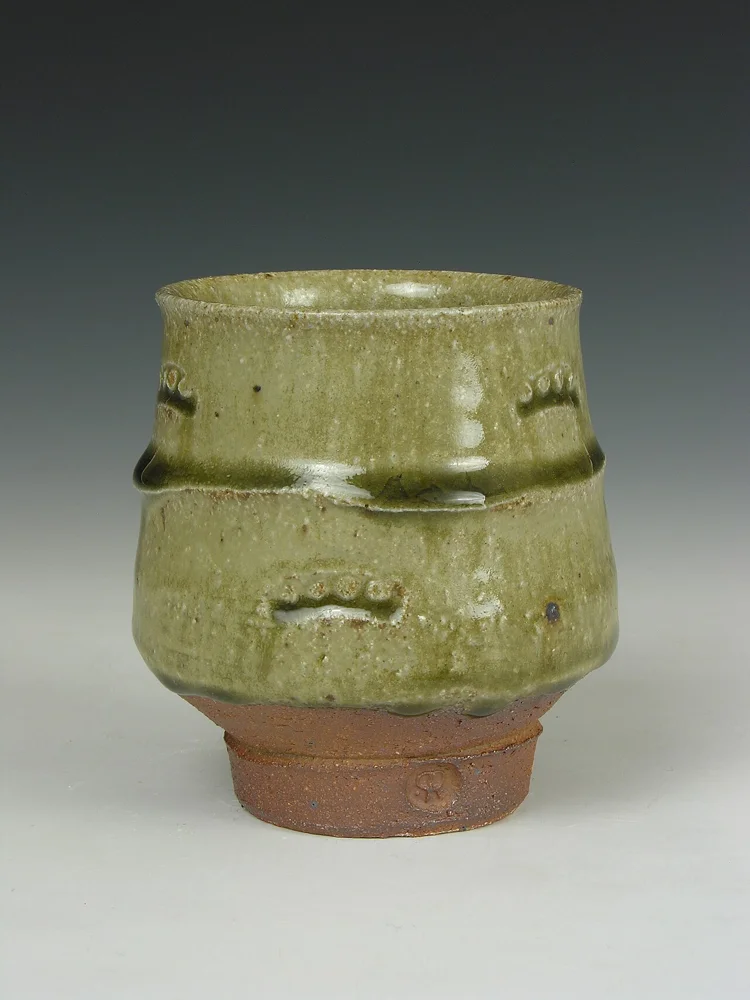
01 / Start with a picture
You can enjoy the browse.
There is no need to buy anything.
Clothes & clothSomething to wear, wrap or carry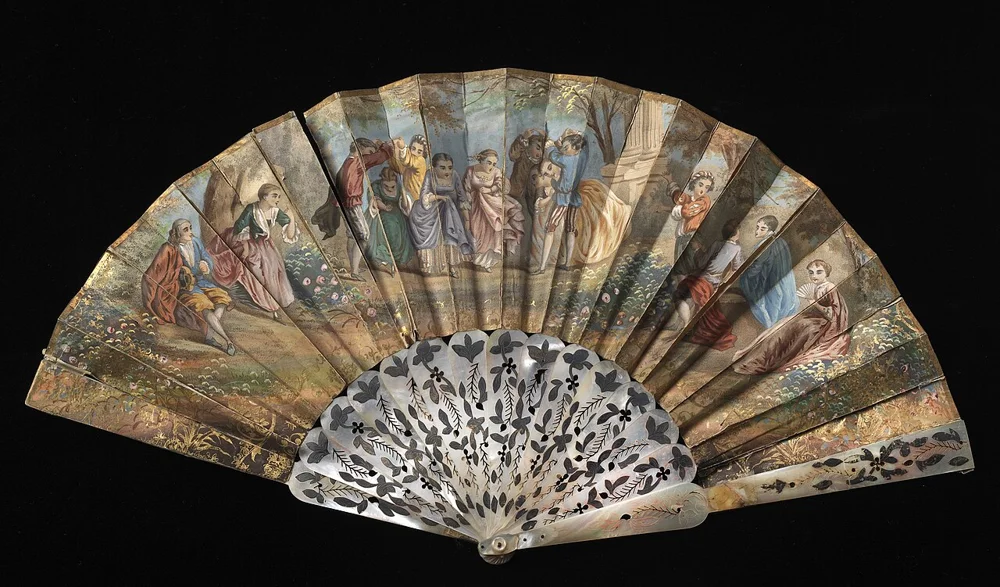 Little personal giftsFans, bags and small pleasuresTea & the tableA cup you will use every day
 Kitchen & homeUseful objects, beautifully made
 Paper & writingA little room for your ideasCraft & keepsakesObjects with a regional story
 Everyday discoveriesPlayful, practical and unexpected
 Something deliciousTea, sweets and pantry gifts
Prices are planning estimates, reviewed 24 October 2026. Craft, maker, material and size can change the price considerably. Photographs illustrate the type of item; they are not offers for sale.
56 ideas to explore
No ideas match all those choices. Try a higher budget or clear one filter.
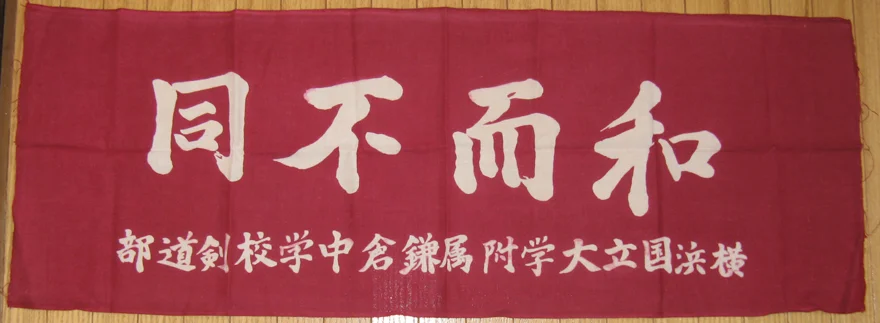 Clothes & clothCotton cloths手ぬぐい・ふきん¥500–2,500
A light multipurpose tenugui, or a distinct kaya-weave dishcloth for everyday use.
Before you buy
Tenugui are often raw-edged; initial fraying/dye care can be normal. Follow each maker's instructions
Being sold in Japan does not establish where it was made. Ask about the maker and origin if that matters to you.
A place to start: Sapporo · Sendai · Tokyo · Kyoto · Nara · Fukuoka
Pictured: A printed tenugui cloth laid flat. A reference example; shop stock and prices vary. Photo credit.
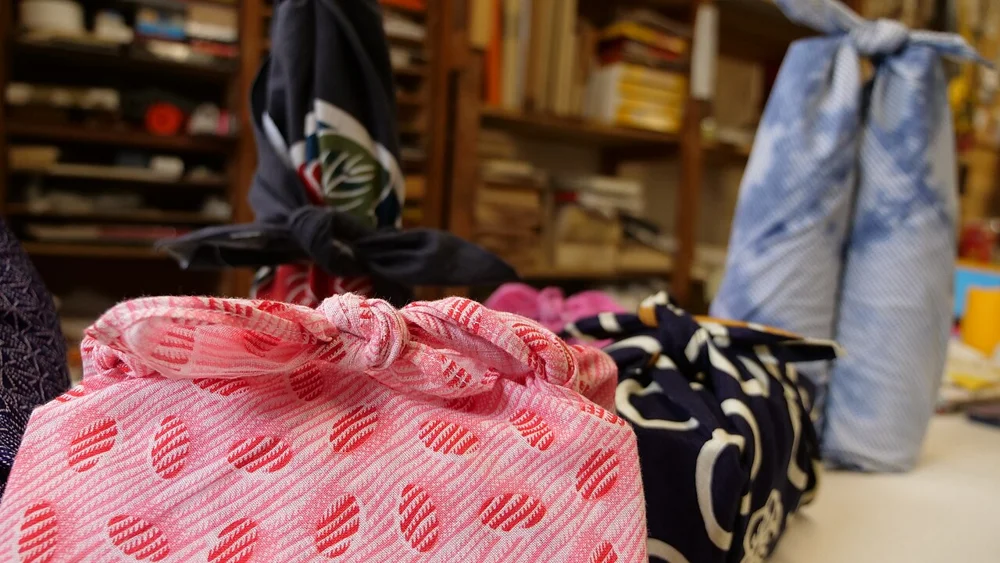
Clothes & clothWrapping cloth風呂敷¥800–5,000; silk moreA patterned square that becomes gift wrapping, a carrying cloth or something useful at home.
Before you buy
Choose size for the intended use; cotton and silk need different care
Being sold in Japan does not establish where it was made. Ask about the maker and origin if that matters to you.
A place to start: Tokyo · Kyoto
Pictured: Cloth wrapping tied around an object. A reference example; shop stock and prices vary. Photo credit.
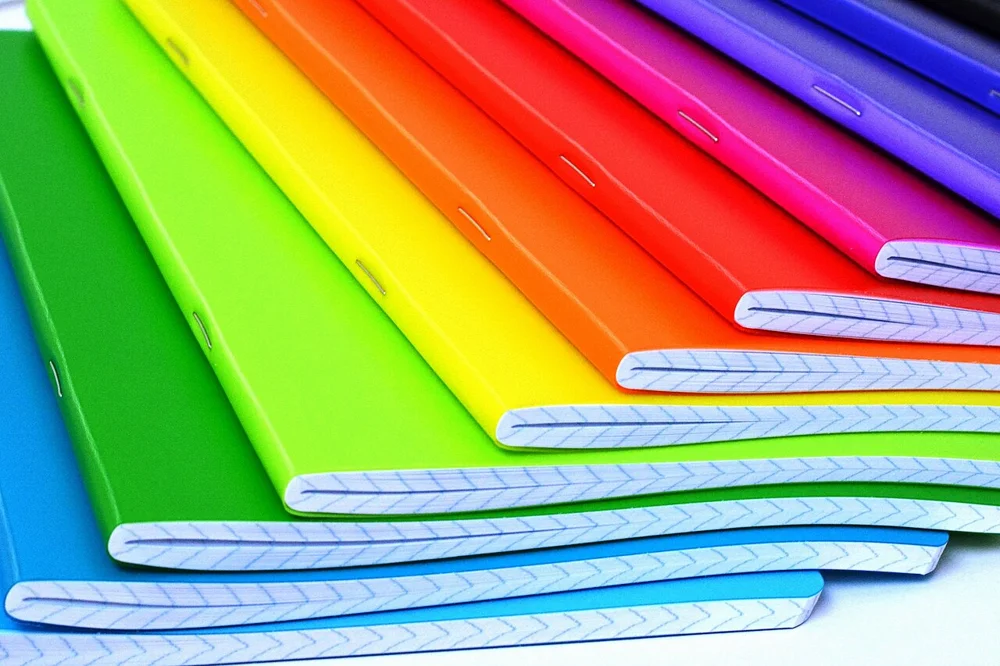
Paper & writingNotebookノート¥400–2,500+Good paper makes a small notebook a satisfying and useful gift.
Before you buy
Plain, ruled or grid; dated diaries may have limited usefulness
Being sold in Japan does not establish where it was made. Ask about the maker and origin if that matters to you.
A place to start: Sapporo · Hakodate · Sendai · Tokyo · Osaka · Kobe · Nara · Fukuoka · Nagasaki
Pictured: Colourful notebooks; a stationery reference, with no claim of Japanese manufacture. A reference example; shop stock and prices vary. Photo credit.
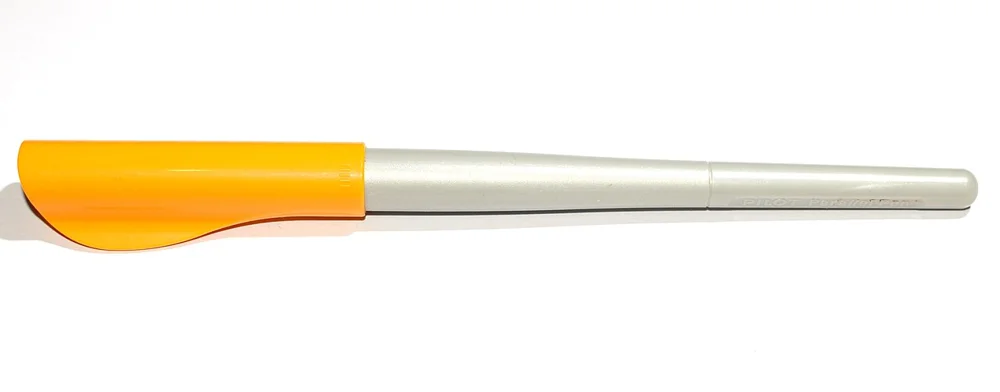 Paper & writingPen / mechanical pencilペン・シャープペンシル¥300–5,000+; premium pens higher
A good pen or mechanical pencil: a little pleasure that can be used every day.
Before you buy
Refill availability; test only where invited
Being sold in Japan does not establish where it was made. Ask about the maker and origin if that matters to you.
A place to start: Sapporo · Tokyo · Osaka
Pictured: A Pilot Parallel calligraphy pen; an example from the wider pen family. A reference example; shop stock and prices vary. Photo credit.
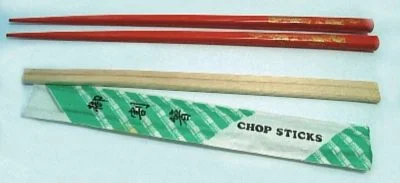
Tea & the tableChopsticks箸¥500–5,000+ a pairAn everyday pair with a comfortable length, grip and finish.
Before you buy
Length, grip, finish and washing; engraving may be extra
Being sold in Japan does not establish where it was made. Ask about the maker and origin if that matters to you.
A place to start: Tokyo · Hakone · Takayama · Kyoto · Osaka · Hiroshima
Pictured: Examples of wooden and plastic chopsticks; check material and whether the price is per pair. A reference example; shop stock and prices vary. Photo credit.
Tea & the tableTea cup湯のみ¥800–5,000+ eachOne beautiful cup can bring a little of Japan to an ordinary tea break.
Before you buy
Cup versus set; food-use suitability and care; comfortable weight
Being sold in Japan does not establish where it was made. Ask about the maker and origin if that matters to you.
A place to start: Tokyo · Kanazawa · Kyoto · Nagasaki · Kagoshima
Pictured: A ceramic yunomi tea cup with an ash glaze. A reference example; shop stock and prices vary. Photo credit.
Little personal giftsFolding fan扇子¥1,000–8,000+A folding fan: light to carry, lovely to open and useful on a warm day.
Before you buy
Hand-painted or specialist pieces cost more; decorative fans may not be for daily use
Being sold in Japan does not establish where it was made. Ask about the maker and origin if that matters to you.
A place to start: Tokyo · Kyoto
Pictured: A historic folding fan from a museum collection; materials and styles vary. A reference example; shop stock and prices vary. Photo credit.
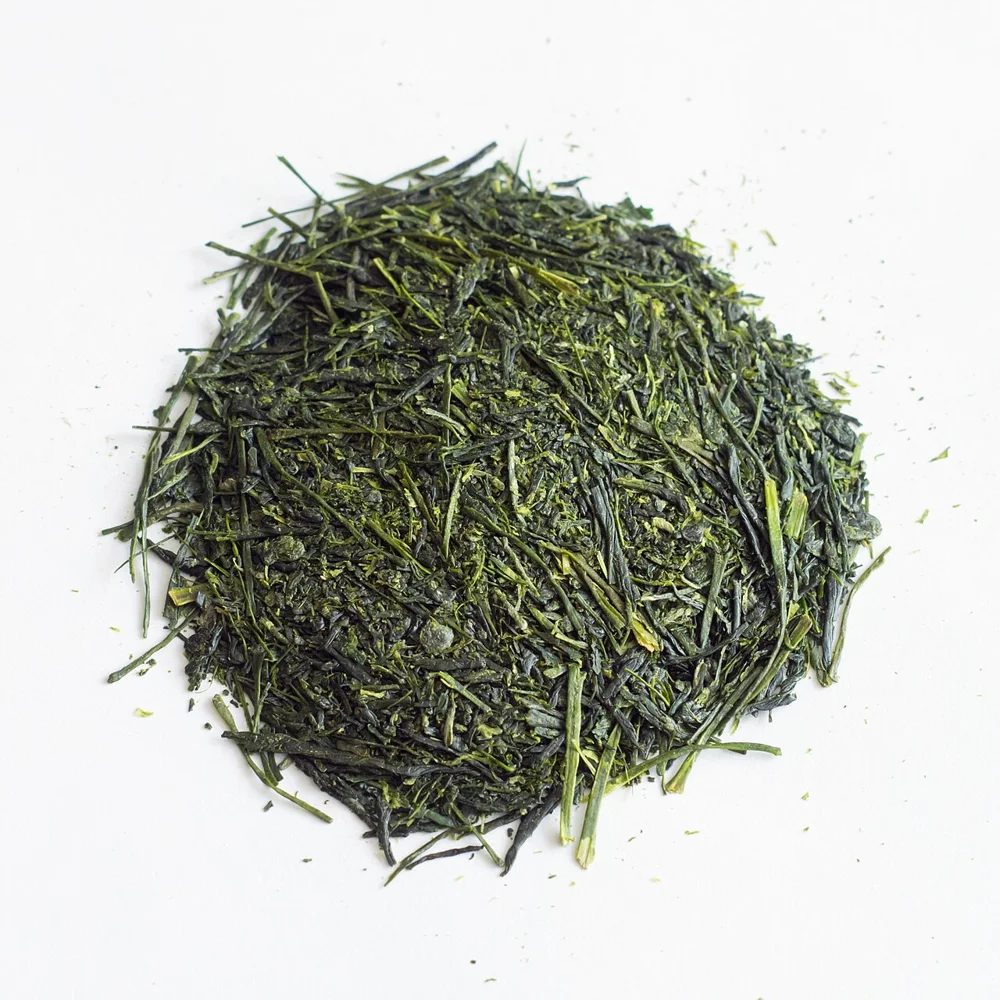
Something deliciousJapanese tea日本茶¥600–3,000+ per modest pack; premium matcha higherLoose-leaf tea, tea bags or matcha: start with the way the recipient likes to brew.
Before you buy
Sencha, hōjicha and matcha differ; pack size, storage and import rules
Uji and Kagoshima are regional tea connections. Read the packet for the actual origin and blend.
A place to start: Tokyo · Kyoto · Kagoshima
Pictured: Loose-leaf Kagoshima sencha. A reference example; shop stock and prices vary. Photo credit.
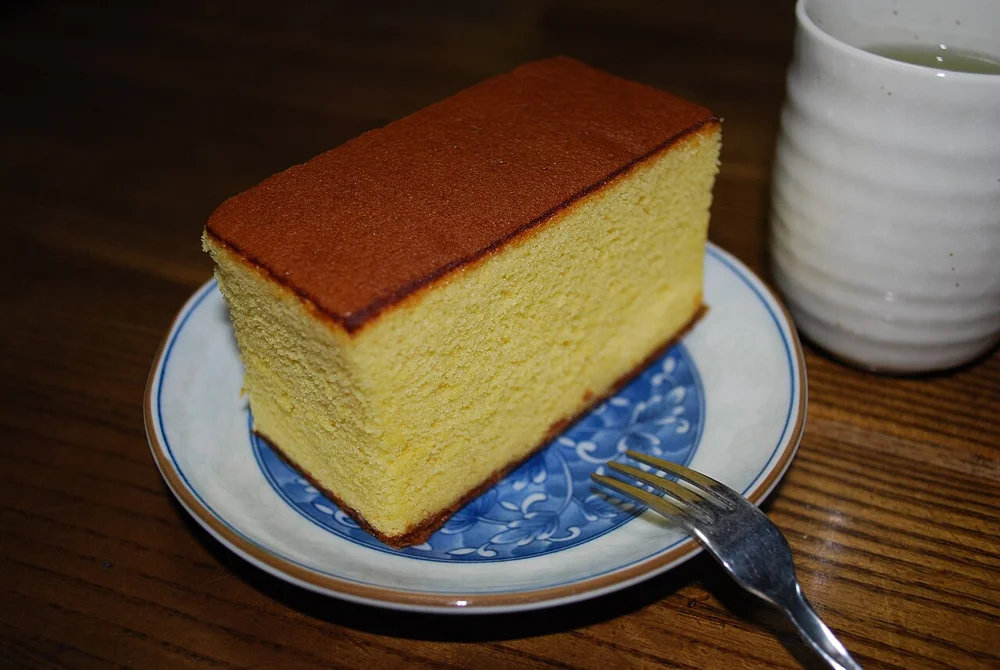 Something deliciousRegional biscuits / castella焼き菓子・カステラ¥700–3,000 a box
Regional biscuits or castella can make a thoughtful gift for several people.
Before you buy
Castella shelf life varies; wheat/egg and other allergens; box size
Being sold in Japan does not establish where it was made. Ask about the maker and origin if that matters to you.
A place to start: Sapporo · Hakodate · Tokyo · Osaka · Kobe · Hiroshima · Fukuoka · Nagasaki · Kagoshima
Pictured: A slice of Nagasaki castella, shown without gift packaging. A reference example; shop stock and prices vary. Photo credit.
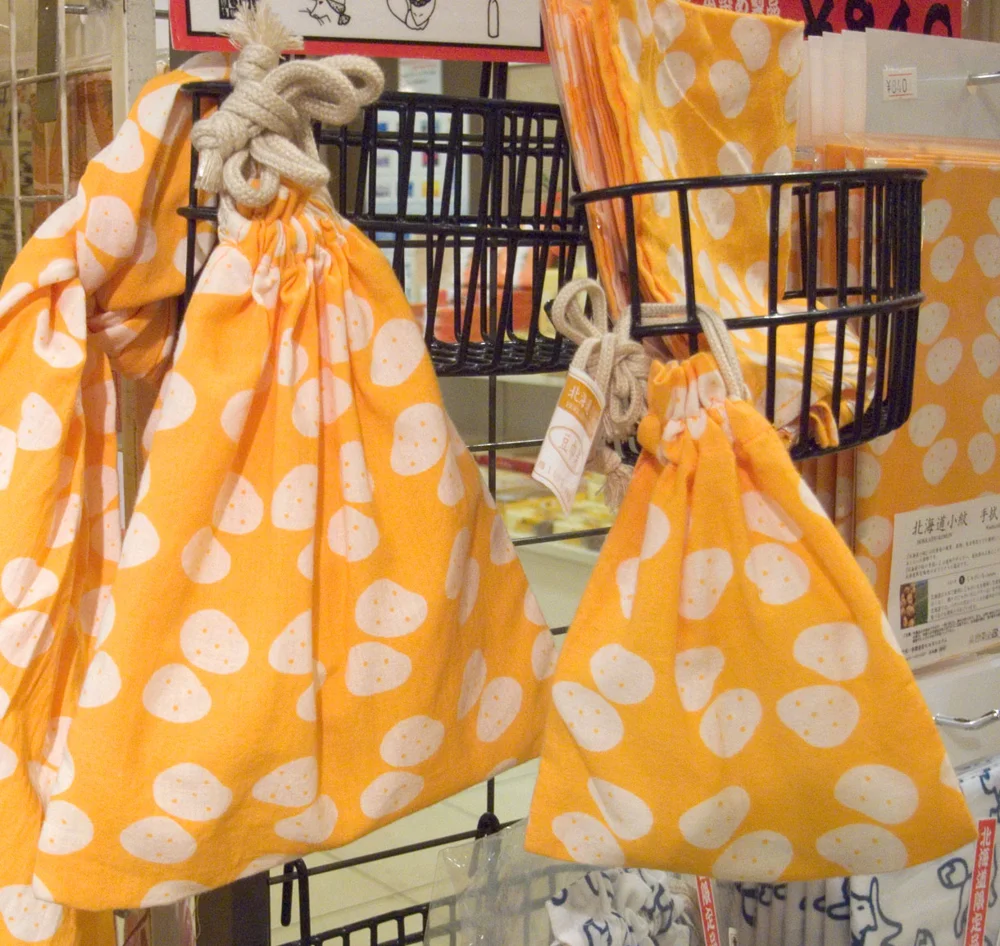 Clothes & clothDrawstring / textile pouch巾着・布小物¥800–6,000+
A useful little pouch that brings colour and pattern without needing a clothing size.
Before you buy
Identify fabric origin; a Kyoto shop does not make every pouch Nishijin-ori
A shop in Kyoto does not make every pouch Nishijin-ori. Ask about the fabric and maker.
A place to start: Sapporo · Hakodate · Tokyo · Kanazawa · Takayama · Kyoto · Nara · Fukuoka · Kagoshima
Pictured: Patterned drawstring kinchaku bags. A reference example; shop stock and prices vary. Photo credit.
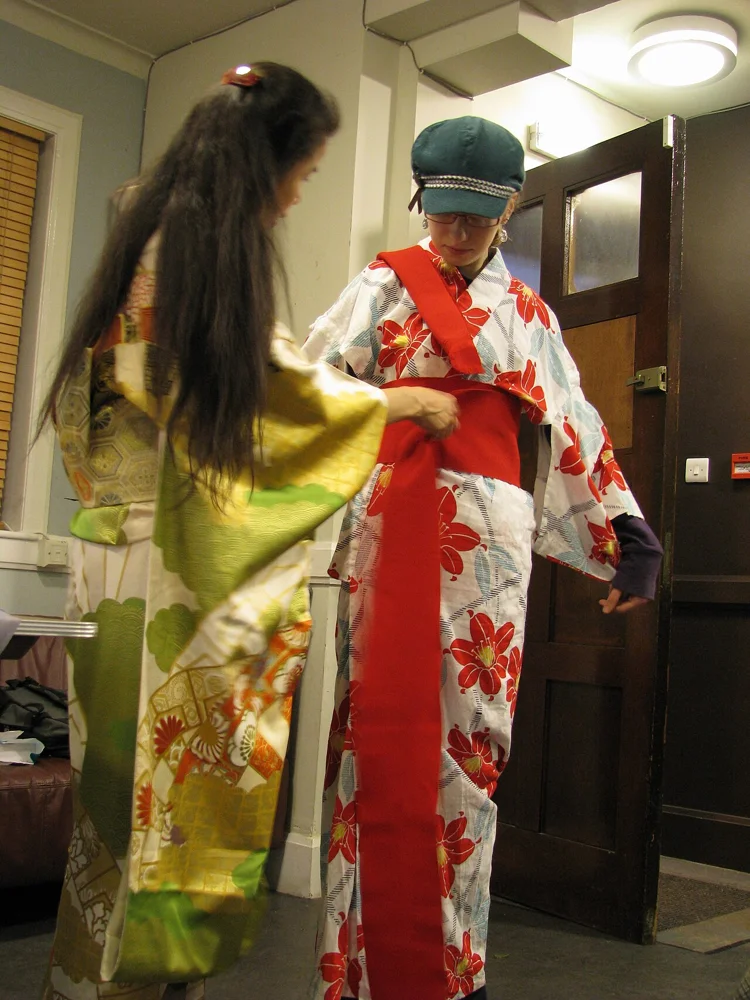 Clothes & clothSummer yukata浴衣¥5,000–25,000+ per garment
A light summer garment to enjoy wearing, with fabric and pattern to make it your own.
Before you buy
Check fibre, measurements and whether obi is included; not every yukata is cotton
Being sold in Japan does not establish where it was made. Ask about the maker and origin if that matters to you.
A place to start: Tokyo · Kyoto
Pictured: Yukata being worn with an obi; garments and accessories are bought separately unless stated. A reference example; shop stock and prices vary. Photo credit.
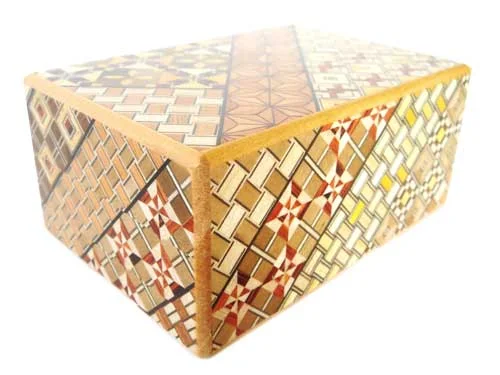 Craft & keepsakesWooden puzzle box秘密箱¥3,000–20,000+
A wooden puzzle box with a secret opening: the instructions are part of the gift.
Before you buy
Steps, size and instructions; not every patterned box is a puzzle
Not every patterned wooden box is Hakone yosegi or a secret-opening box.
A place to start: Hakone
Pictured: A Japanese secret-opening puzzle box with marquetry. A reference example; shop stock and prices vary. Photo credit.
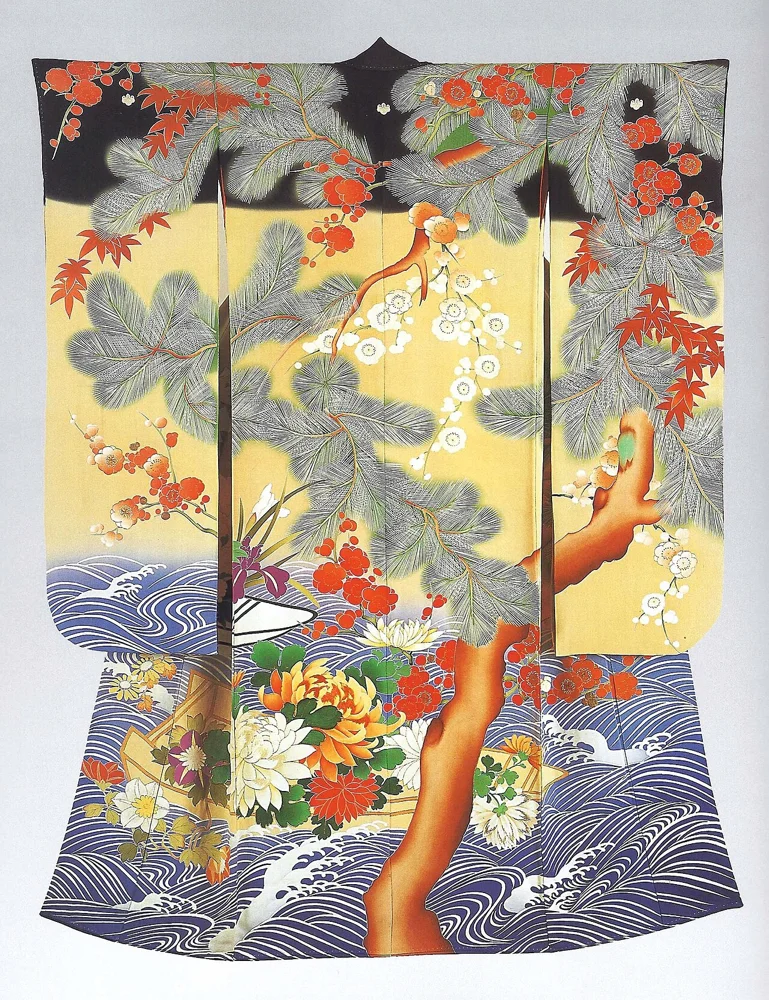 Clothes & clothKimono着物Used ¥3,000–30,000+; new ¥30,000–300,000+
A textile discovery worth taking time over, whether new or carefully chosen second-hand.
Before you buy
Wide variation; fit, condition, fibre, cleaning and full outfit cost matter
Being sold in Japan does not establish where it was made. Ask about the maker and origin if that matters to you.
A place to start: Tokyo · Kyoto
Pictured: A historic kimono from the Khalili Collection; a style reference, not a currently priced retail garment. A reference example; shop stock and prices vary. Photo credit.
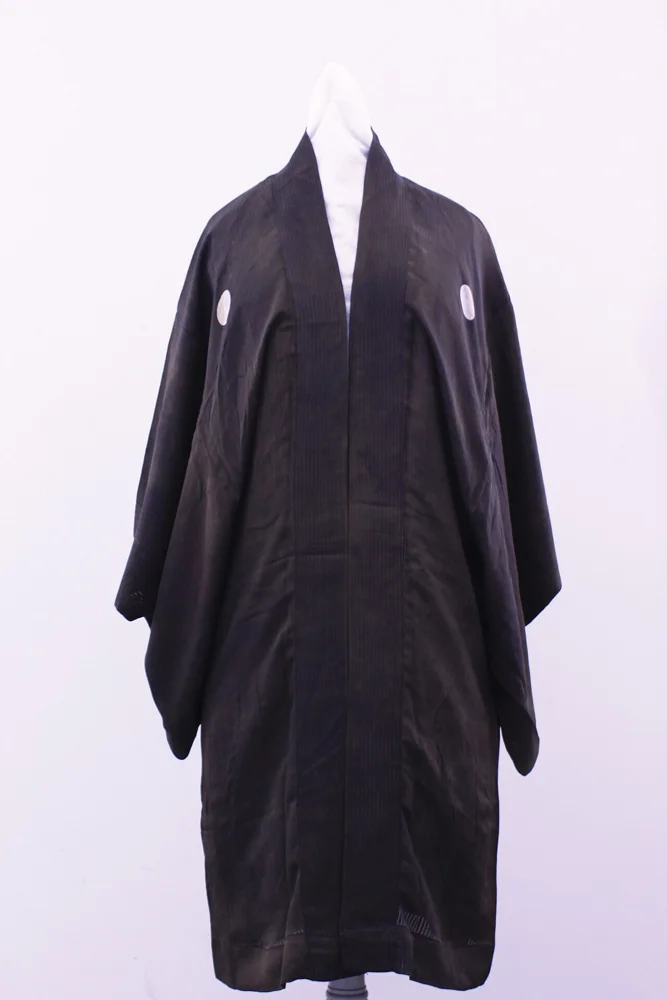 Clothes & clothHaori jacket羽織Used ¥3,000–20,000+; new ¥10,000–50,000+
A shorter outer jacket with beautiful fabrics and an easy place in a wardrobe.
Before you buy
Check sleeve/back measurements and lining; not every short robe is a haori
Being sold in Japan does not establish where it was made. Ask about the maker and origin if that matters to you.
A place to start: Tokyo · Kyoto
Pictured: A historic plain haori jacket from a museum collection. A reference example; shop stock and prices vary. Photo credit.
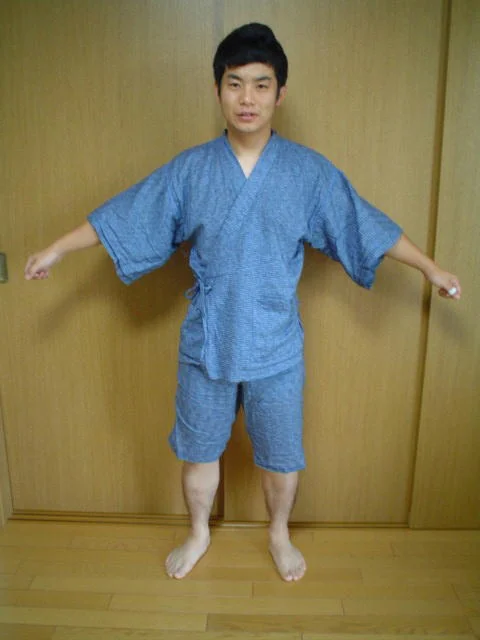 Clothes & clothJinbei lounge set甚平¥3,000–15,000
A relaxed two-piece outfit for someone who enjoys comfortable informal clothing.
Before you buy
Check cut, fabric and washing instructions
Being sold in Japan does not establish where it was made. Ask about the maker and origin if that matters to you.
A place to start: Tokyo · Kyoto
Pictured: A blue two-piece jinbei being worn. A reference example; shop stock and prices vary. Photo credit.
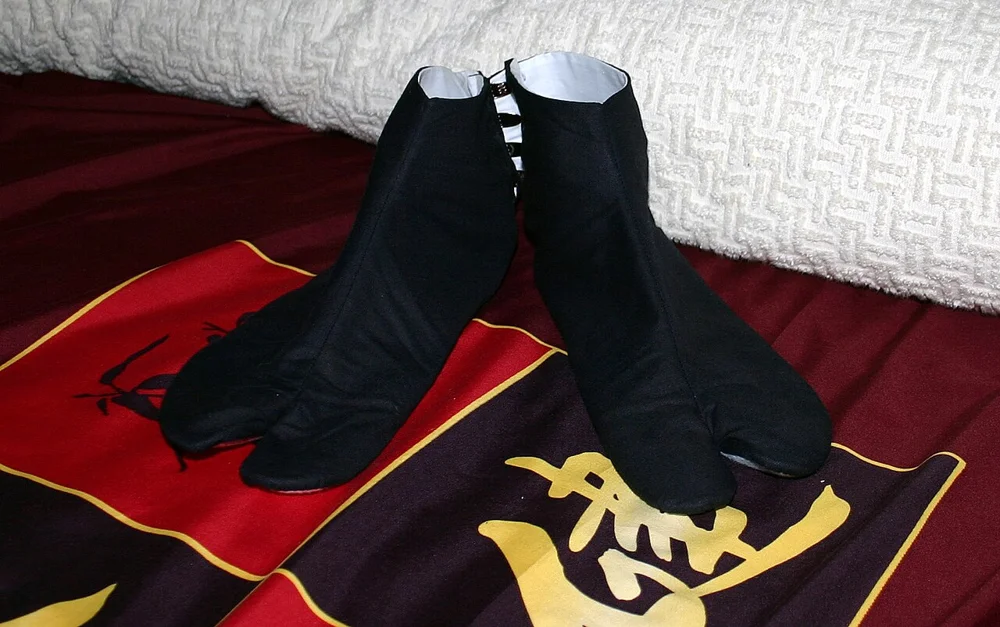 Little personal giftsSocks, including split-toe socks靴下・足袋ソックス¥500–3,000 a pair
A practical gift with playful patterns, including comfortable split-toe styles.
Before you buy
Read centimetre size; tabi socks are not the same as traditional tabi footwear
Being sold in Japan does not establish where it was made. Ask about the maker and origin if that matters to you.
A place to start: Tokyo · Osaka
Pictured: Black split-toe tabi socks. A reference example; shop stock and prices vary. Photo credit.
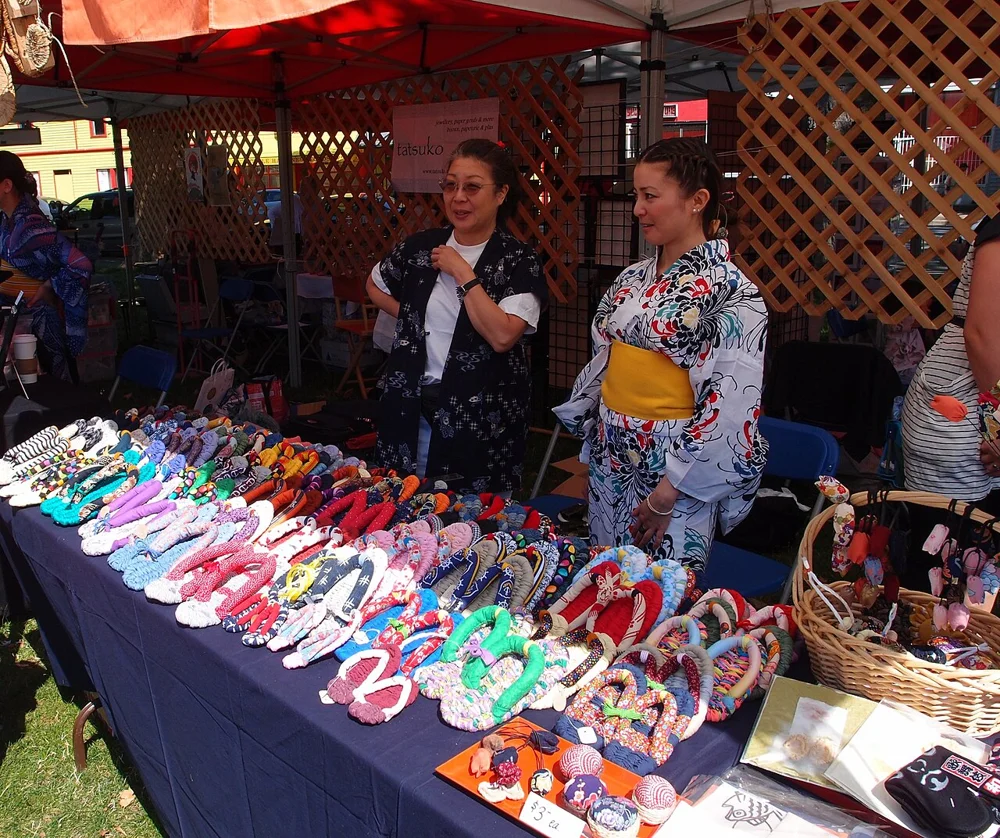 Little personal giftsGeta / zori sandals下駄・草履¥2,000–15,000+ a pair
Traditional footwear for someone who enjoys the style and can try the fit.
Before you buy
Ask to try; fit and comfort are individual; wooden geta are not soft slippers
Being sold in Japan does not establish where it was made. Ask about the maker and origin if that matters to you.
A place to start: Tokyo · Kyoto
Pictured: A display of colourful geta sandals. A reference example; shop stock and prices vary. Photo credit.
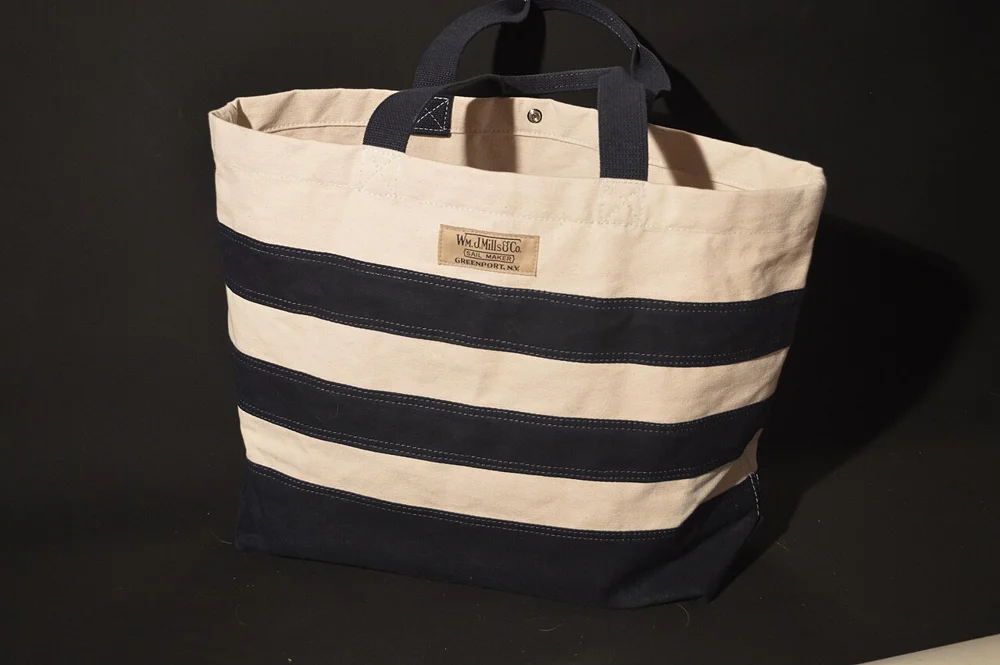 Little personal giftsCanvas tote or small bag帆布バッグ¥2,000–15,000+
A useful bag with room for the things that become part of everyday life.
Before you buy
Material, making location and carrying comfort matter
Being sold in Japan does not establish where it was made. Ask about the maker and origin if that matters to you.
A place to start: Sapporo · Hakodate · Tokyo · Osaka · Kobe
Pictured: A striped canvas tote; a shape reference, with no claim of Japanese manufacture. A reference example; shop stock and prices vary. Photo credit.
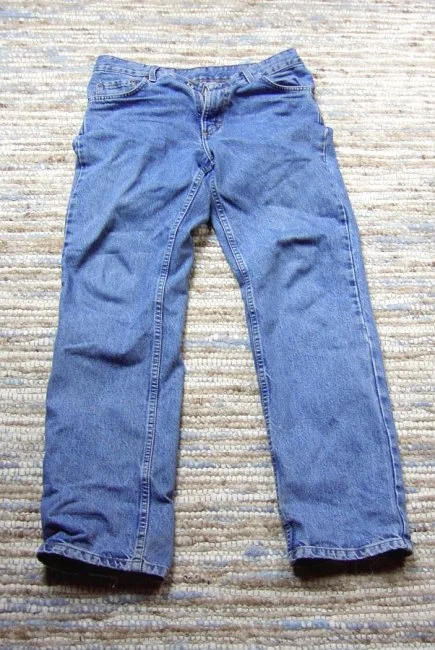 Little personal giftsJapanese denimデニム¥10,000–40,000+ for jeans
A considered clothing purchase for someone who appreciates fabric, fit and finish.
Before you buy
No claim all denim sold here is Japanese-made; try on and check shrinkage/hemming
Being sold in Japan does not establish where it was made. Ask about the maker and origin if that matters to you.
A place to start: Tokyo · Osaka
Pictured: Blue jeans; a fit and shape reference, with no claim of Japanese manufacture. A reference example; shop stock and prices vary. Photo credit.
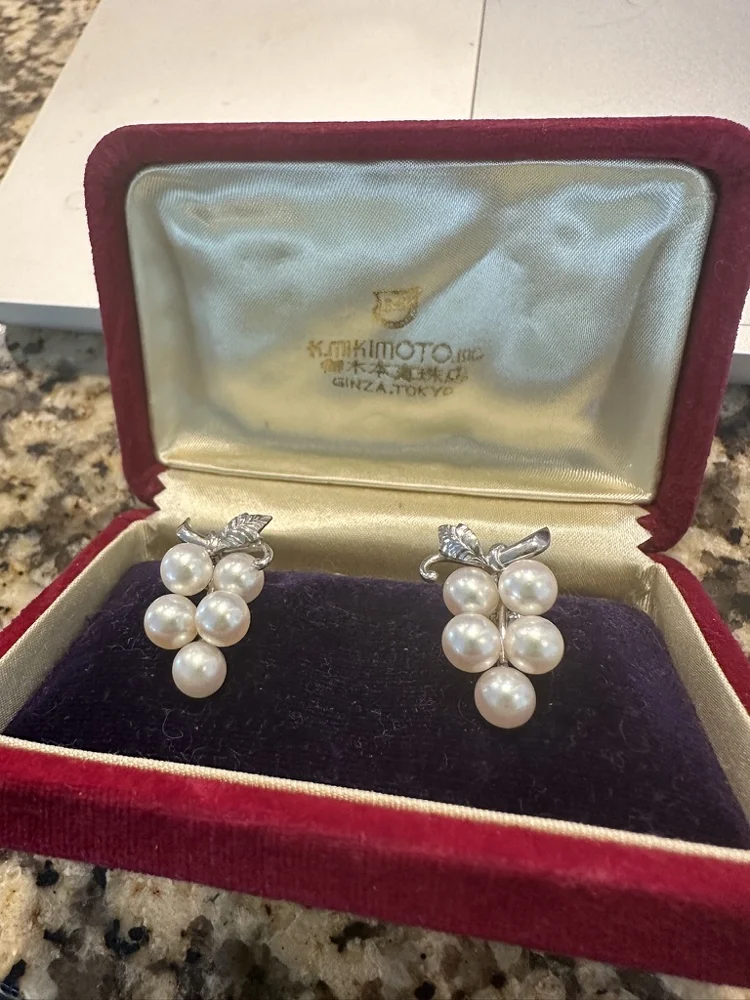 Little personal giftsPearl jewellery真珠のアクセサリー¥5,000–50,000+ for simple pieces; necklaces much more
A small piece of pearl jewellery to choose carefully, with materials and paperwork explained.
Before you buy
Cultured pearl type, treatments, metal and paperwork; retail location is not farming origin
Kobe has an established pearl trade; its retail location is not the pearl’s farming origin.
A place to start: Tokyo · Kobe
Pictured: Historic Mikimoto pearl earrings, circa 1970; not a current retail offer. A reference example; shop stock and prices vary. Photo credit.
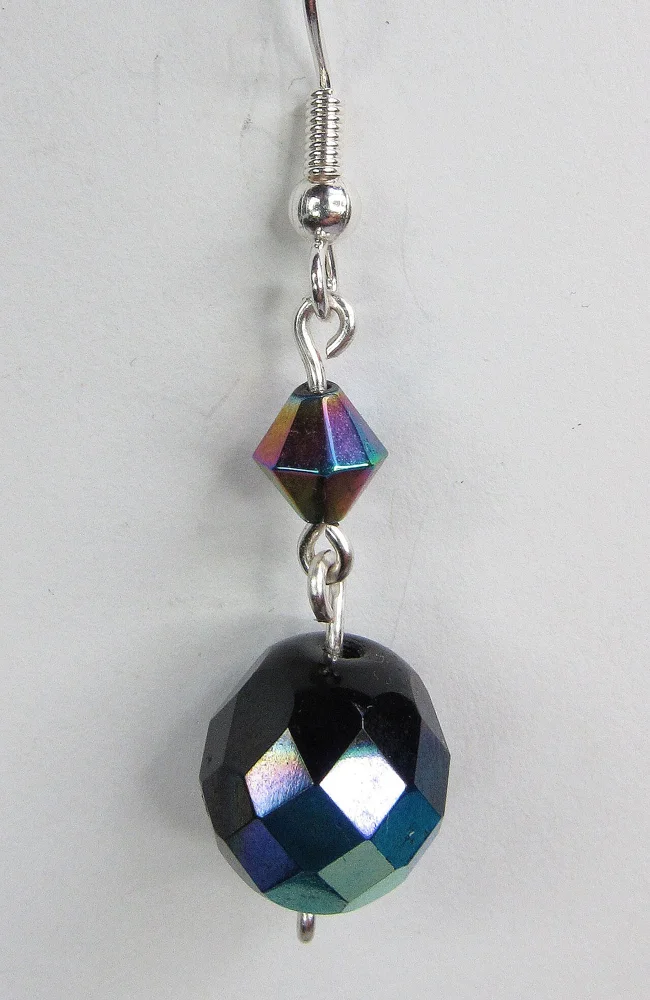 Little personal giftsSmall ceramic or glass jewellery陶器・ガラスのアクセサリー¥1,500–10,000+
A portable way to enjoy a maker’s colour, shape and craft.
Before you buy
Check metal sensitivity, clasp and maker; earrings can be single or paired
Being sold in Japan does not establish where it was made. Ask about the maker and origin if that matters to you.
A place to start: Hakodate · Tokyo · Kanazawa · Kobe
Pictured: An earring with faceted beads; check the material and origin of the actual item. A reference example; shop stock and prices vary. Photo credit.
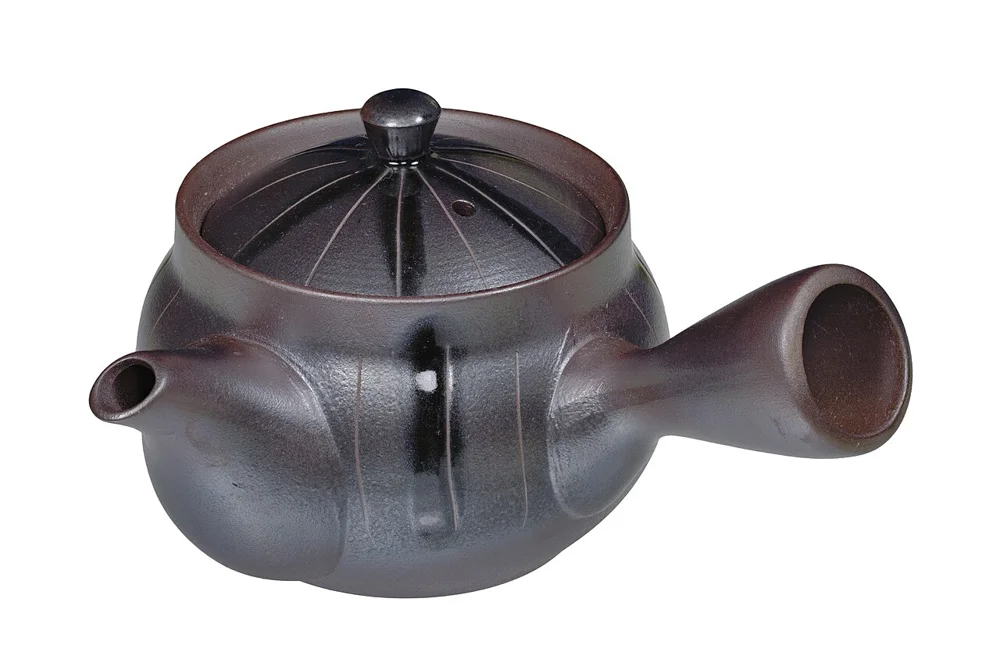 Tea & the tableJapanese teapot急須¥3,000–15,000+
A small pot made for brewing loose-leaf tea, with a shape and capacity that suit its owner.
Before you buy
Not an electric kettle or necessarily stove-safe; ask capacity
Being sold in Japan does not establish where it was made. Ask about the maker and origin if that matters to you.
A place to start: Tokyo · Kanazawa · Kyoto · Nagasaki
Pictured: A side-handled kyusu teapot. A reference example; shop stock and prices vary. Photo credit.
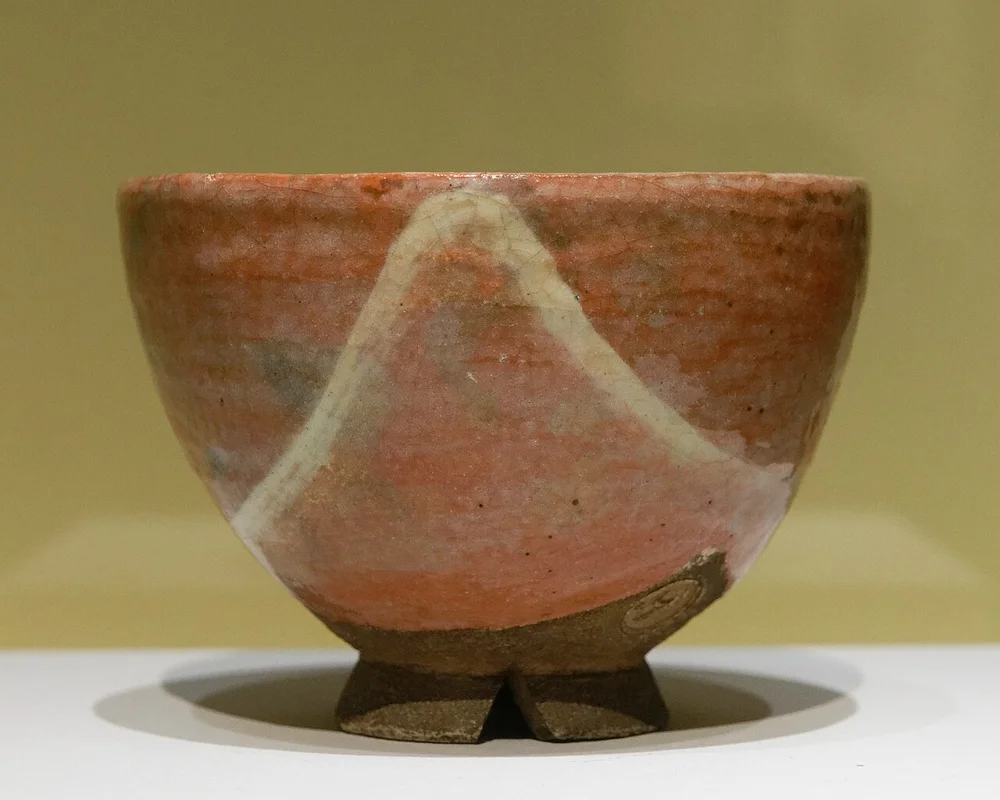 Tea & the tableMatcha bowl抹茶茶碗¥2,000–15,000+
A wide bowl that leaves room to whisk matcha and enjoy a quiet tea ritual.
Before you buy
Signed/artisan examples can cost far more; pair with instructions, not health claims
Being sold in Japan does not establish where it was made. Ask about the maker and origin if that matters to you.
A place to start: Tokyo · Kanazawa · Kyoto · Nagasaki
Pictured: A historic Raku tea bowl from a museum collection. A reference example; shop stock and prices vary. Photo credit.
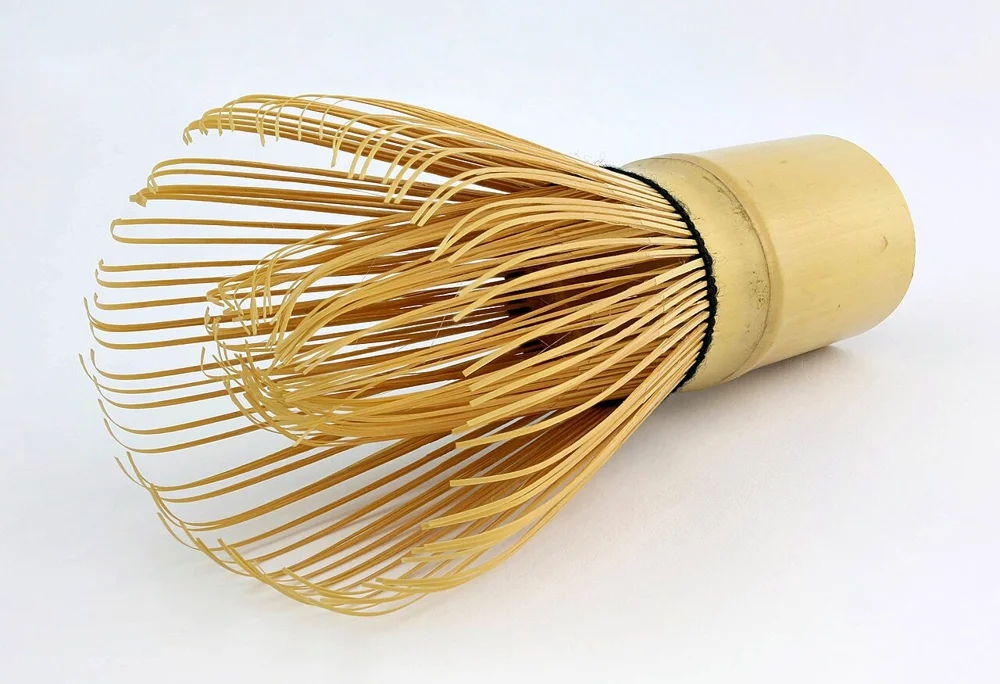 Tea & the tableBamboo matcha whisk茶筅¥2,000–6,000+
A bamboo whisk for preparing matcha: simple to pack, but delicate at the tips.
Before you buy
Japanese-made and other origins differ; delicate tines need protection
Takayama tea whisks are associated with Ikoma in Nara Prefecture, not Hida Takayama.
A place to start: Tokyo · Kyoto · Nara
Pictured: A bamboo tea whisk, or chasen. A reference example; shop stock and prices vary. Photo credit.
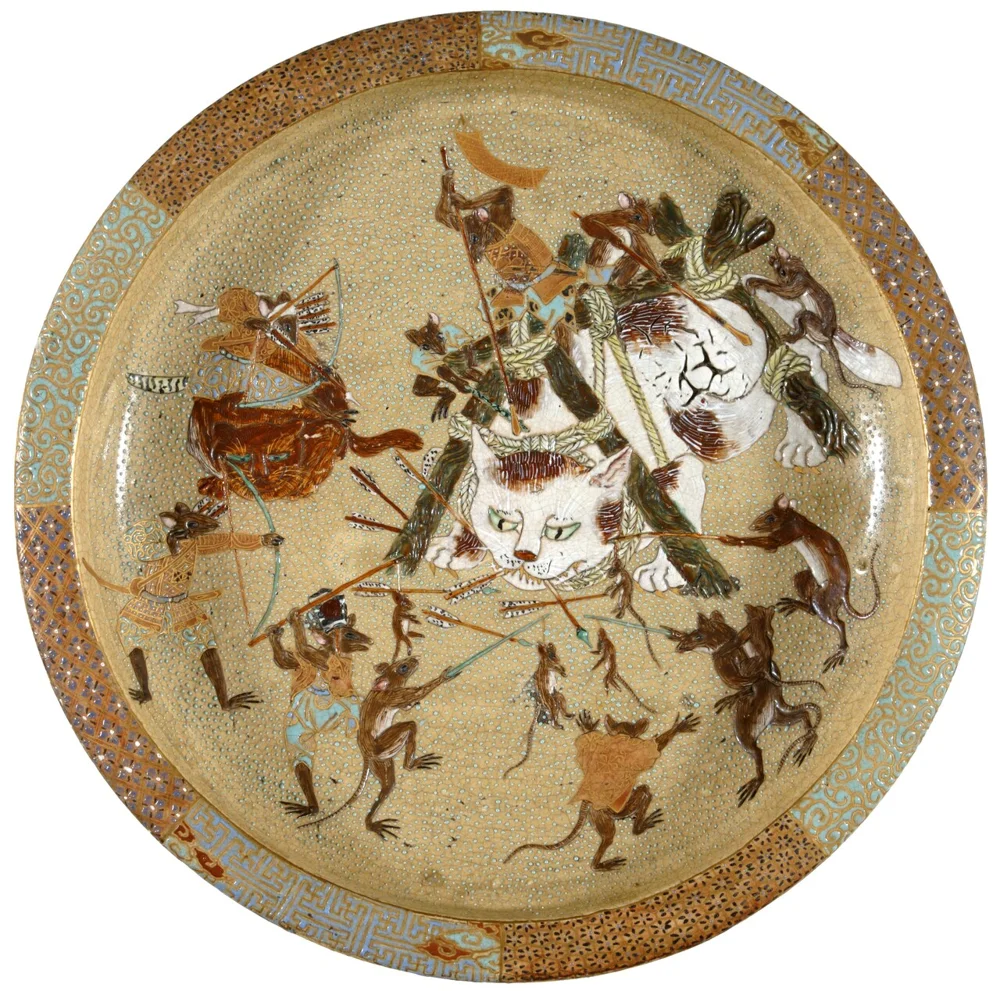 Tea & the tableSmall plate / serving dish小皿・豆皿¥500–4,000+ each
A small dish for a snack, a side serving or an everyday table.
Before you buy
Protect edges; dishwasher/microwave suitability varies
Kutani, Kiyomizu-yaki, Hasami and Satsuma are specific traditions; ask the maker and ware.
A place to start: Tokyo · Hakone · Kanazawa · Kyoto · Osaka · Nagasaki · Kagoshima
Pictured: A historic Mino-ware plate; contemporary small dishes vary in size and design. A reference example; shop stock and prices vary. Photo credit.
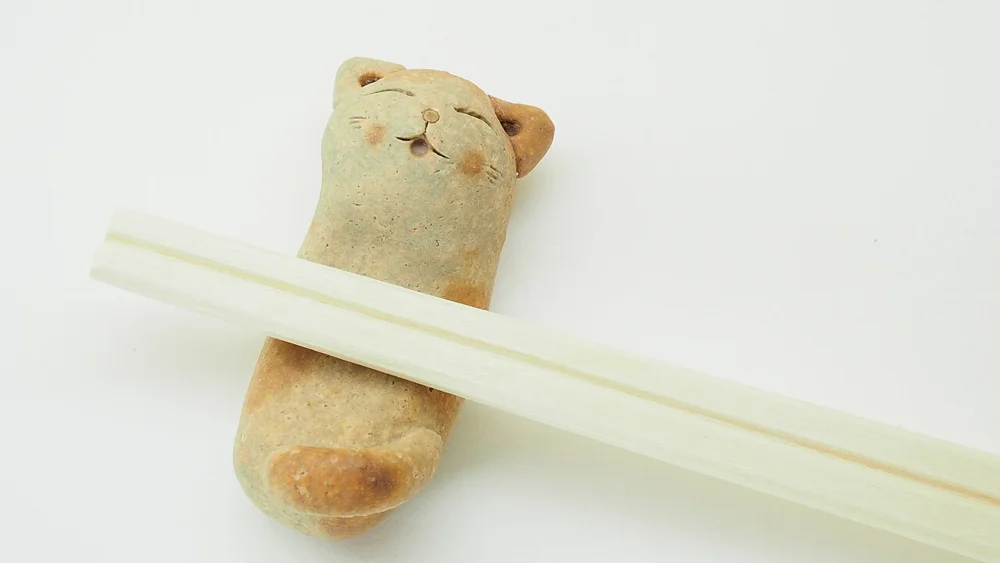 Tea & the tableChopstick rest箸置き¥300–2,000+ each
A tiny table detail that is easy to enjoy and often easy to pack.
Before you buy
A single rest is not a set; small parts are not toys
Being sold in Japan does not establish where it was made. Ask about the maker and origin if that matters to you.
A place to start: Tokyo · Hakone · Kanazawa · Kyoto · Osaka · Hiroshima · Nagasaki
Pictured: A small bear-shaped chopstick rest. A reference example; shop stock and prices vary. Photo credit.
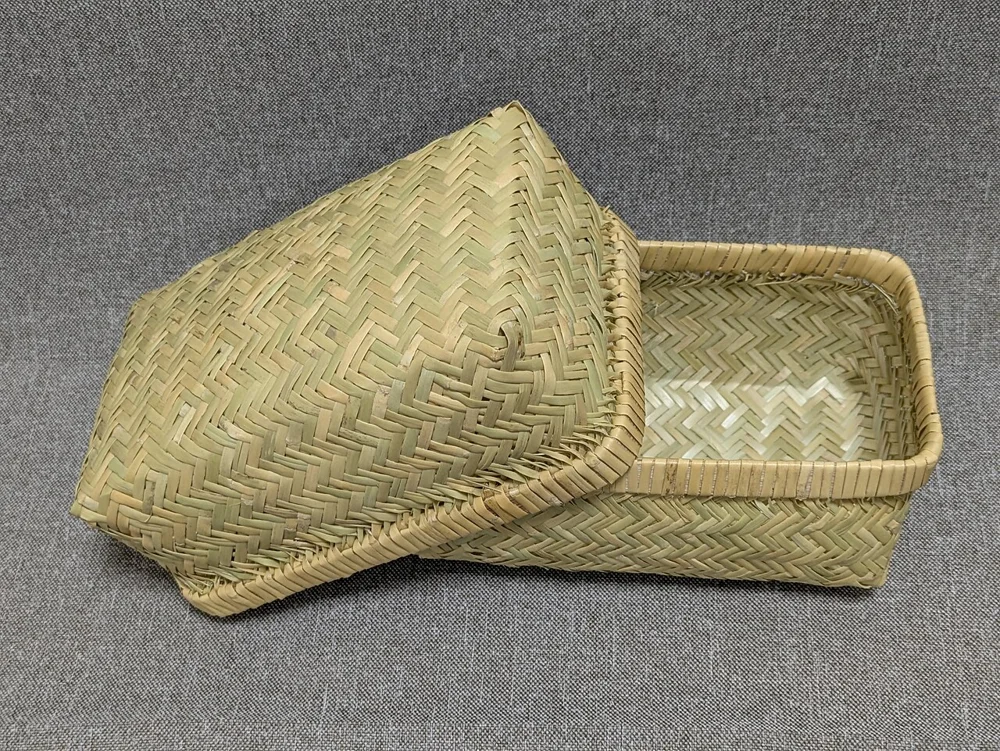 Kitchen & homeBento box弁当箱¥1,500–12,000+
A reusable lunch box to choose by capacity, material and cleaning needs.
Before you buy
Wood, lacquer and plastic differ; ask leak resistance and microwave suitability
Being sold in Japan does not establish where it was made. Ask about the maker and origin if that matters to you.
A place to start: Tokyo · Hakone · Takayama · Osaka · Fukuoka
Pictured: A woven suzutake bento box; other lunch boxes use wood, lacquer or plastic. A reference example; shop stock and prices vary. Photo credit.
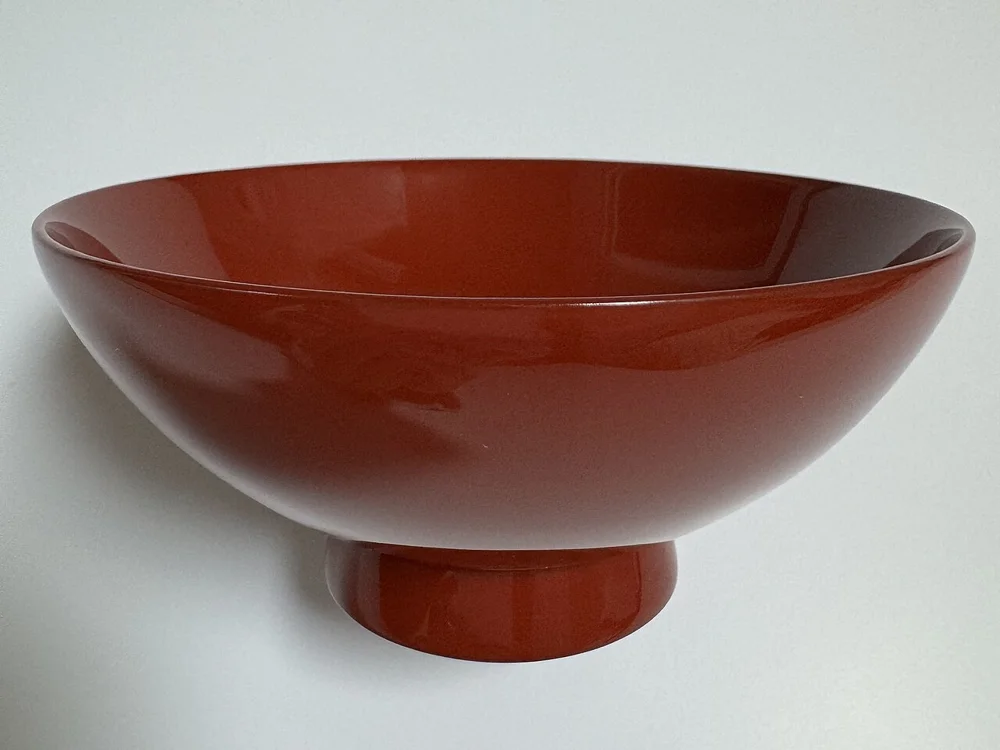 Kitchen & homeLacquer bowl / small tray漆器¥2,000–15,000+
A bowl or tray with a rich finish: ask what it is made from and how to care for it.
Before you buy
Genuine lacquer versus other coating; follow care instructions
Being sold in Japan does not establish where it was made. Ask about the maker and origin if that matters to you.
A place to start: Sendai · Hakone · Kanazawa · Takayama · Kyoto · Hiroshima
Pictured: A red Wajima-nuri lacquer rice bowl. A reference example; shop stock and prices vary. Photo credit.
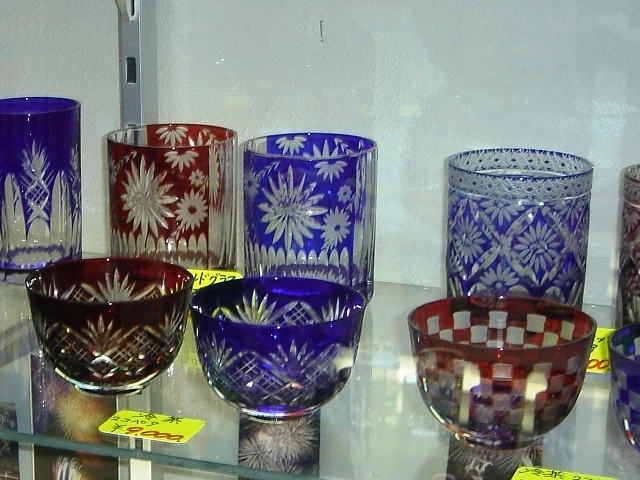 Kitchen & homeCut-glass cup切子グラス¥8,000–50,000+ each
Cut glass that catches the light, from everyday designs to named regional craft.
Before you buy
Edo Kiriko and Satsuma Kiriko are distinct; confirm maker and robust packing
Edo Kiriko and Satsuma Kiriko are different regional traditions. A cut pattern alone is not proof of either.
A place to start: Tokyo · Kagoshima
Pictured: A display of Edo-kiriko cut glass. A reference example; shop stock and prices vary. Photo credit.
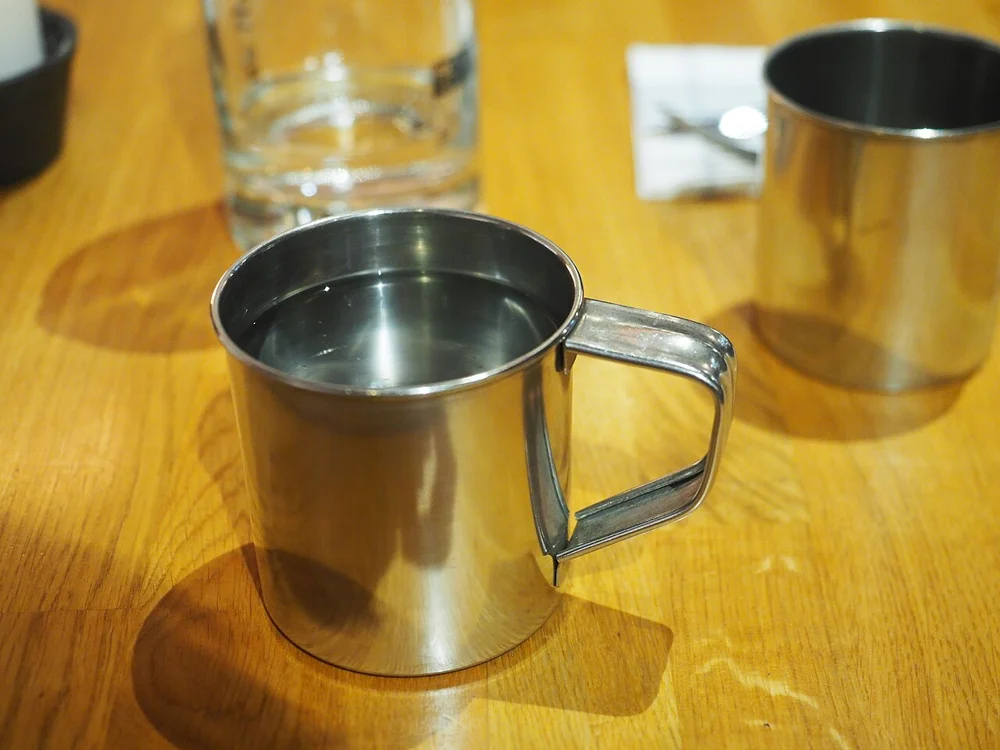 Kitchen & homeTin cup / small tinware錫の器¥3,000–15,000+
A small metal vessel with a distinctive feel; confirm that it really is tin.
Before you buy
Ask intended use and care; don't assume microwave/dishwasher compatibility
Being sold in Japan does not establish where it was made. Ask about the maker and origin if that matters to you.
A place to start: Kagoshima
Pictured: A metal drinking cup used as a shape reference. Japanese tin sake cups differ; ask about the actual metal content. A reference example; shop stock and prices vary. Photo credit.
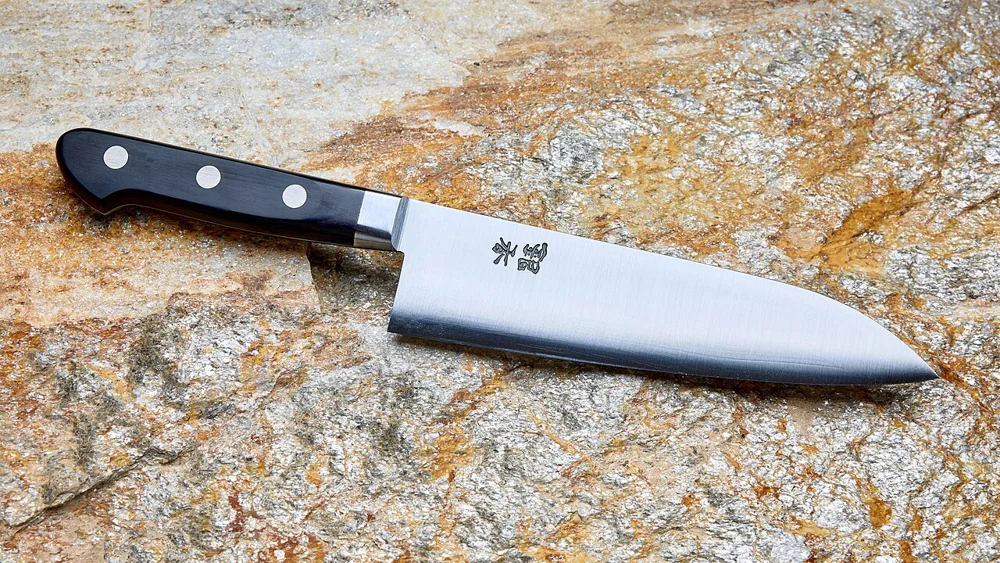 Kitchen & homeKitchen knife包丁¥8,000–35,000+
A useful kitchen tool to choose by cooking task, hand and maintenance needs.
Before you buy
Steel, maintenance, handedness and blade style; checked luggage, protected blade
Sakai is in Osaka Prefecture. Buying its knives in Namba is not a workshop visit.
A place to start: Tokyo · Osaka
Pictured: An Ashi Ginga santoku kitchen knife. A reference example; shop stock and prices vary. Photo credit.
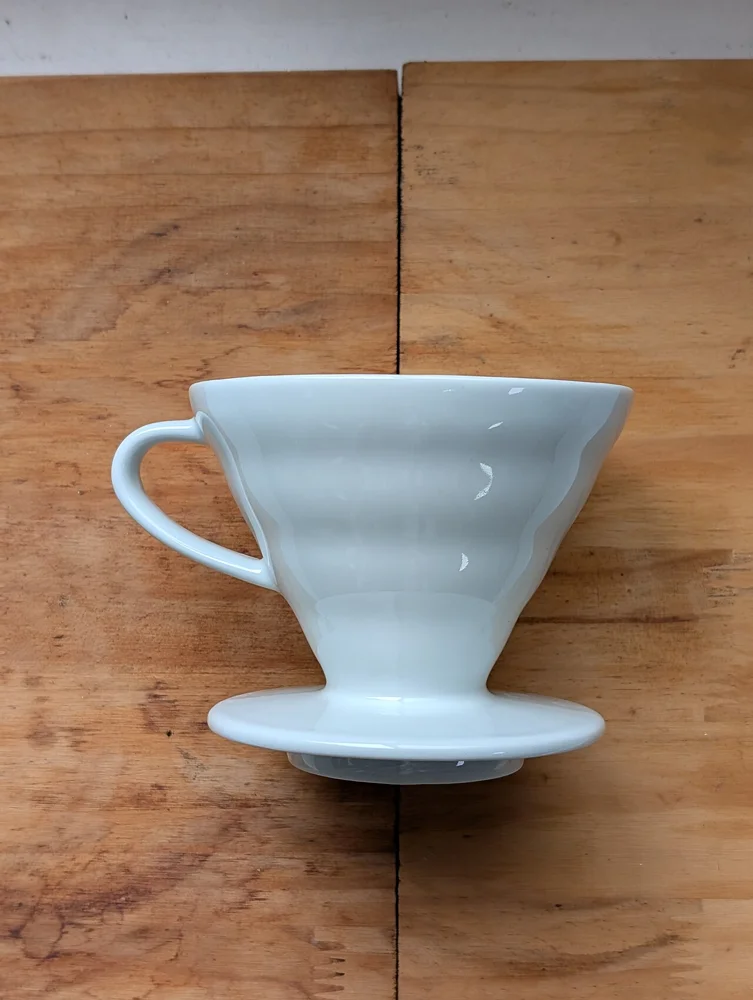 Kitchen & homeCeramic coffee dripper陶器のコーヒードリッパー¥1,500–6,000+
A compact coffee gift for someone who already enjoys brewing by hand.
Before you buy
Compatible filters and serving size; fragile
Being sold in Japan does not establish where it was made. Ask about the maker and origin if that matters to you.
A place to start: Tokyo · Osaka
Pictured: A ceramic Hario V60 coffee dripper. A reference example; shop stock and prices vary. Photo credit.
 Kitchen & homeTea caddy茶筒¥1,000–8,000+
A container for keeping tea tidy, with a lid and size suited to the owner’s habits.
Before you buy
Airtightness varies; bark/wood products may need destination checks
Being sold in Japan does not establish where it was made. Ask about the maker and origin if that matters to you.
A place to start: Tokyo · Hakone · Kyoto · Osaka
Pictured: A natsume for matcha; loose-leaf tea caddies have different shapes and storage properties. A reference example; shop stock and prices vary. Photo credit.
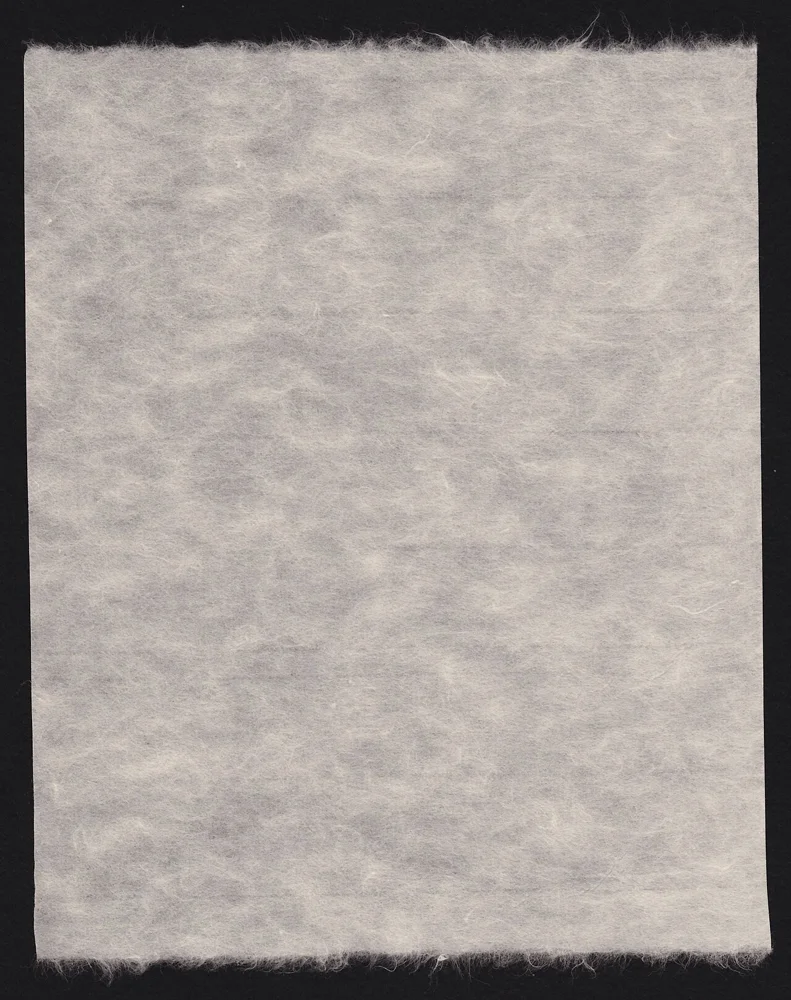 Paper & writingWashi stationery和紙の文具¥300–2,000 per small pack
Letter paper, envelopes and other paper goods with texture and character.
Before you buy
Washi-style appearance does not prove handmade paper
Being sold in Japan does not establish where it was made. Ask about the maker and origin if that matters to you.
A place to start: Tokyo · Kanazawa · Kyoto · Nara · Nagasaki
Pictured: Shiroishi washi letter paper. A reference example; shop stock and prices vary. Photo credit.
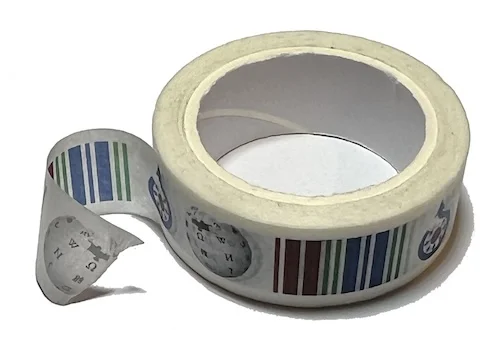 Paper & writingDecorative paper tapeマスキングテープ¥200–800 a roll
Small rolls of decorative paper tape for wrapping, journals and creative projects.
Before you buy
Packaging sizes and adhesive properties differ
Being sold in Japan does not establish where it was made. Ask about the maker and origin if that matters to you.
A place to start: Tokyo · Osaka
Pictured: A roll of decorative washi tape. A reference example; shop stock and prices vary. Photo credit.
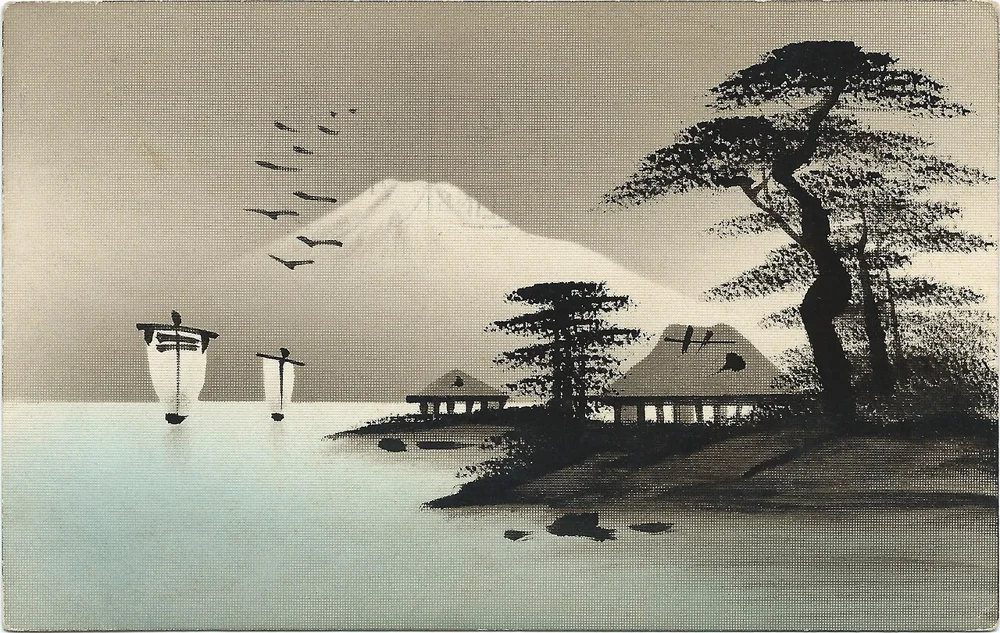 Paper & writingPostcard / art print絵はがき・版画Postcards ¥150–600; prints ¥2,000–20,000+
An image to bring home, with the artist and reproduction clearly identified.
Before you buy
Label reproduction versus original print; protect flat
Being sold in Japan does not establish where it was made. Ask about the maker and origin if that matters to you.
A place to start: Tokyo · Kyoto
Pictured: A historic Japanese picture postcard; contemporary prints and postcards vary. A reference example; shop stock and prices vary. Photo credit.
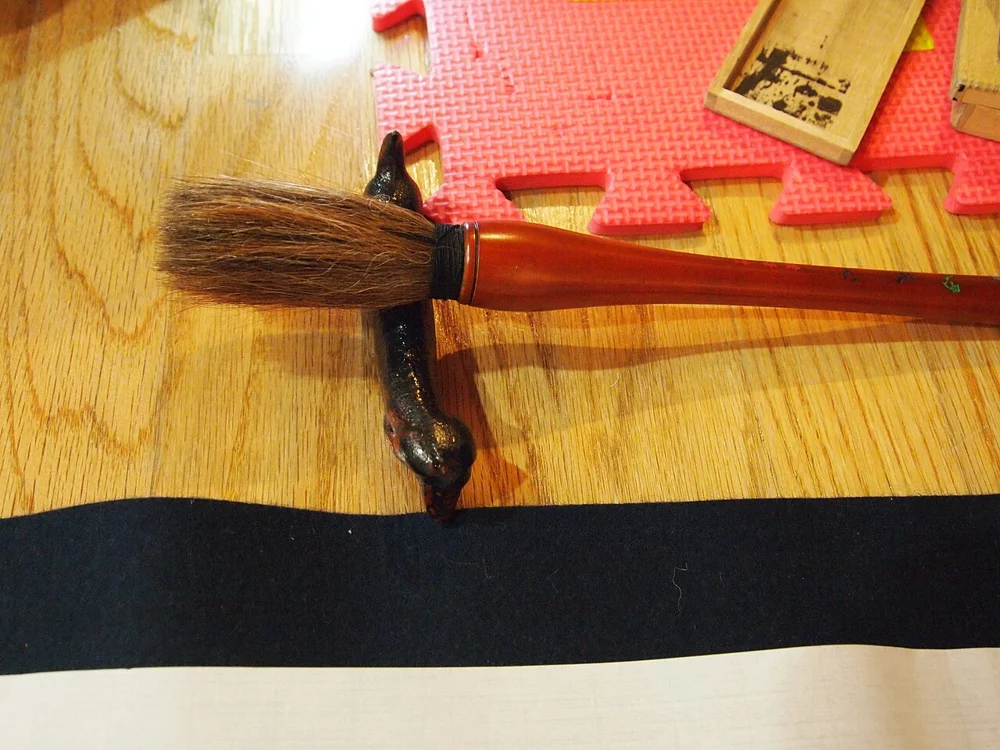 Paper & writingCalligraphy brush / ink筆・墨¥1,000–8,000+ per basic item
A specialist gift for someone who enjoys writing, painting or learning calligraphy.
Before you buy
A brush is not a complete set; explain ink stick versus bottled ink
Being sold in Japan does not establish where it was made. Ask about the maker and origin if that matters to you.
A place to start: Kyoto · Kobe · Nara · Hiroshima
Pictured: A Japanese calligraphy brush. A reference example; shop stock and prices vary. Photo credit.
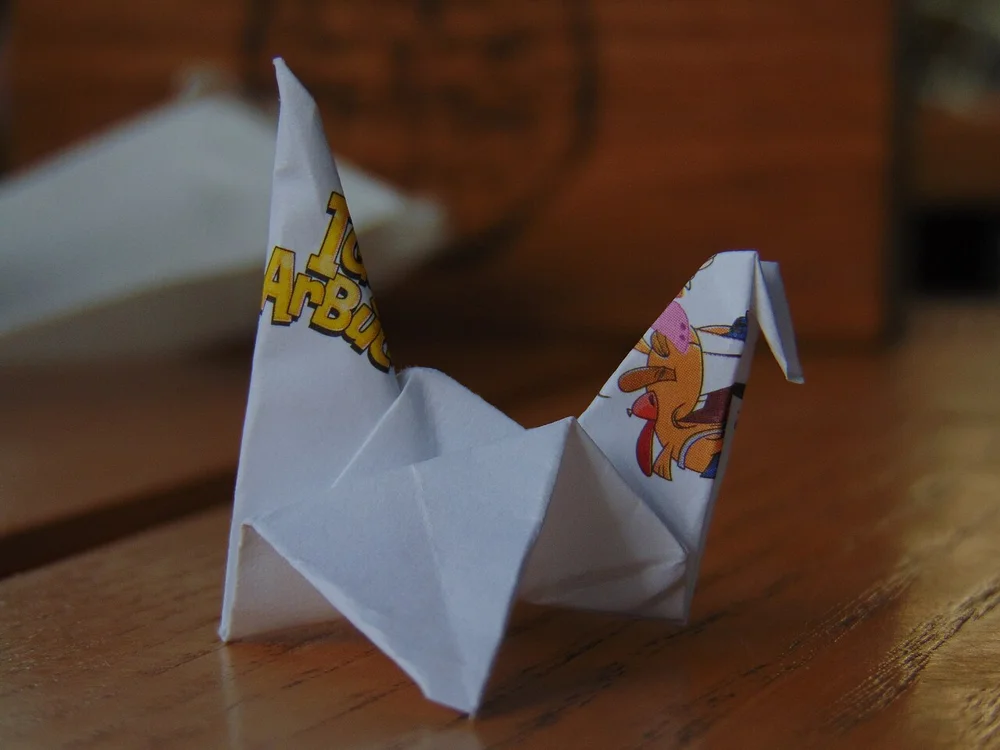 Paper & writingOrigami paper折り紙¥200–1,500 a pack
Colourful folding paper: light to carry and ready for a quiet creative hour.
Before you buy
Paper size, pattern and instructions; not all sets include a tutorial
Being sold in Japan does not establish where it was made. Ask about the maker and origin if that matters to you.
A place to start: Tokyo · Kyoto · Nara
Pictured: Folded paper cranes illustrating the use of origami paper. A reference example; shop stock and prices vary. Photo credit.
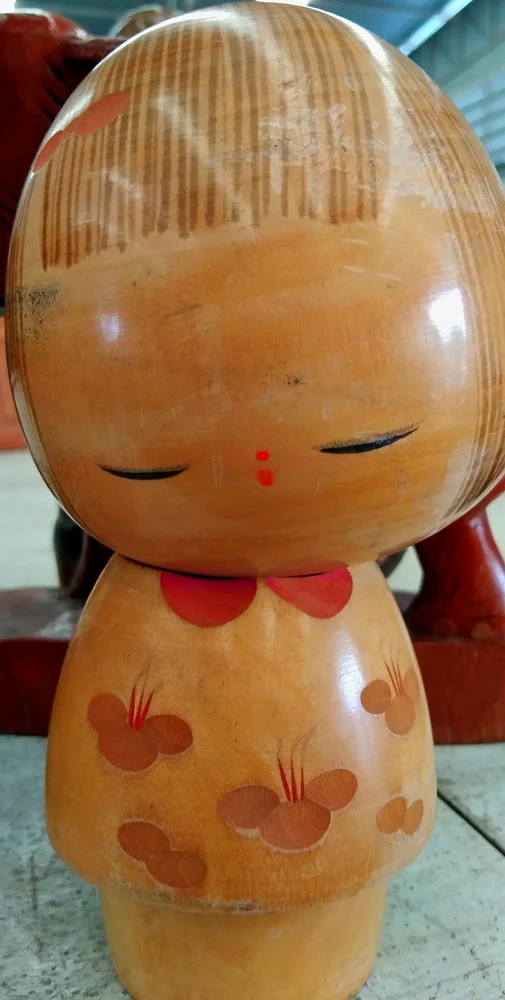
Craft & keepsakesKokeshi dollこけし¥2,000–10,000+A wooden doll with a particular regional tradition and an individual maker’s style.
Before you buy
Identify maker/style; traditional and creative kokeshi are different categories
Kokeshi traditions span Miyagi and wider Tohoku. Ask which tradition and maker produced the doll.
A place to start: Sendai
Pictured: A wooden kokeshi doll. A reference example; shop stock and prices vary. Photo credit.
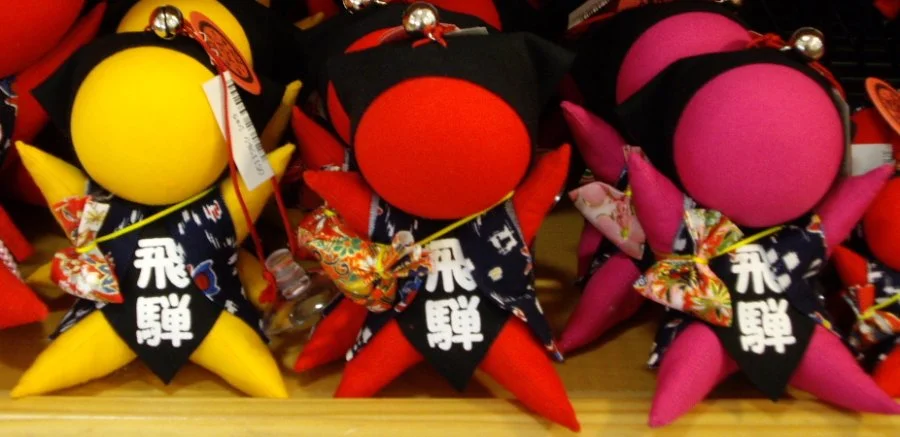 Craft & keepsakesSaruboboさるぼぼ¥500–3,000+
A small Hida figure associated with good wishes, often made as a soft fabric keepsake.
Before you buy
Cultural association, not a promise of protection or fertility
Sarubobo belongs to Hida’s cultural story; its good-wishes association is not a promised outcome.
A place to start: Takayama
Pictured: Colourful sarubobo figures. A reference example; shop stock and prices vary. Photo credit.
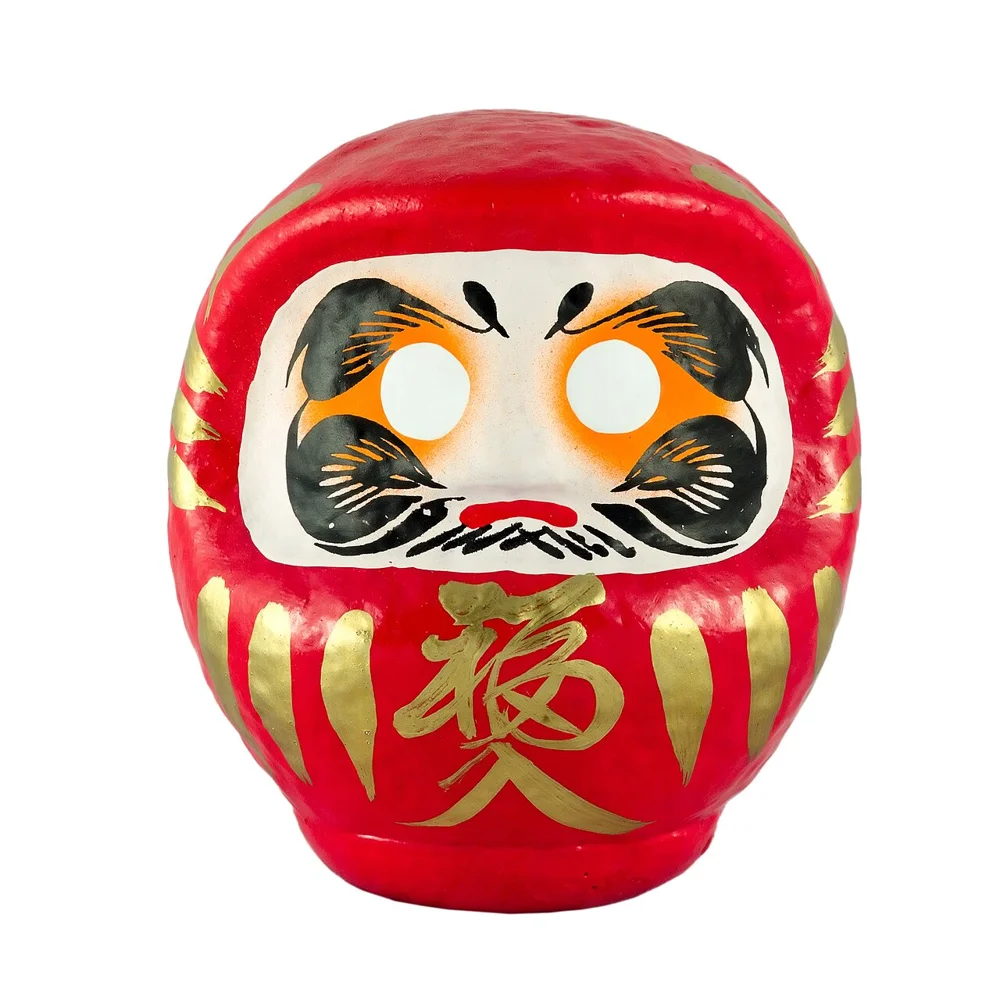 Craft & keepsakesDaruma dollだるま¥800–5,000+
A rounded figure traditionally associated with goals and wishes.
Before you buy
Explain the local/maker tradition; don't promise luck
Being sold in Japan does not establish where it was made. Ask about the maker and origin if that matters to you.
A place to start: Tokyo
Pictured: A red daruma figure. A reference example; shop stock and prices vary. Photo credit.
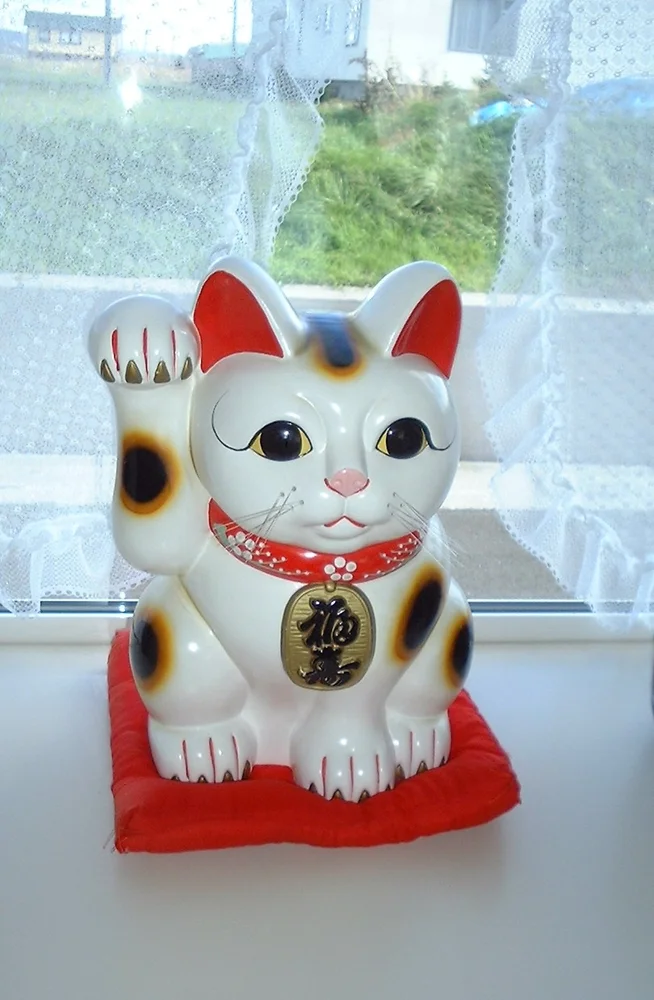 Craft & keepsakesBeckoning cat招き猫¥800–6,000+
A beckoning cat in a style you enjoy, from tiny figures to larger display pieces.
Before you buy
Manufacturing origins vary; folklore is not a guaranteed outcome
Being sold in Japan does not establish where it was made. Ask about the maker and origin if that matters to you.
A place to start: Tokyo
Pictured: A white beckoning cat, or maneki-neko. A reference example; shop stock and prices vary. Photo credit.
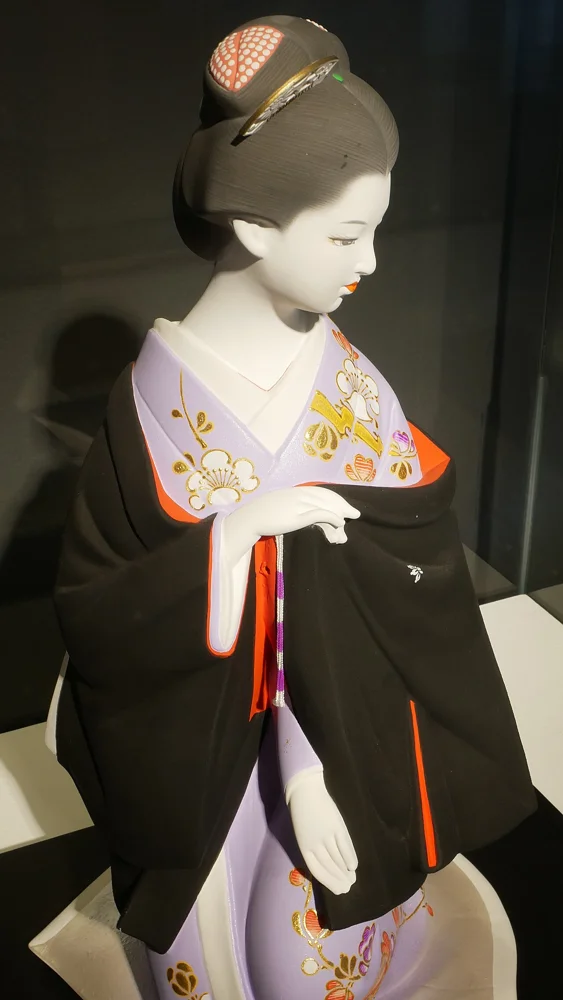 Craft & keepsakesRegional clay doll土人形¥2,000–20,000+
A painted clay figure whose regional origin and maker are part of its story.
Before you buy
Show named variant; fragile decorative work, not automatically a toy
Hakata, Tsutsumi and other clay-doll traditions have different regional identities.
A place to start: Sendai · Fukuoka
Pictured: A Hakata doll by Isamu Tanaka. A reference example; shop stock and prices vary. Photo credit.
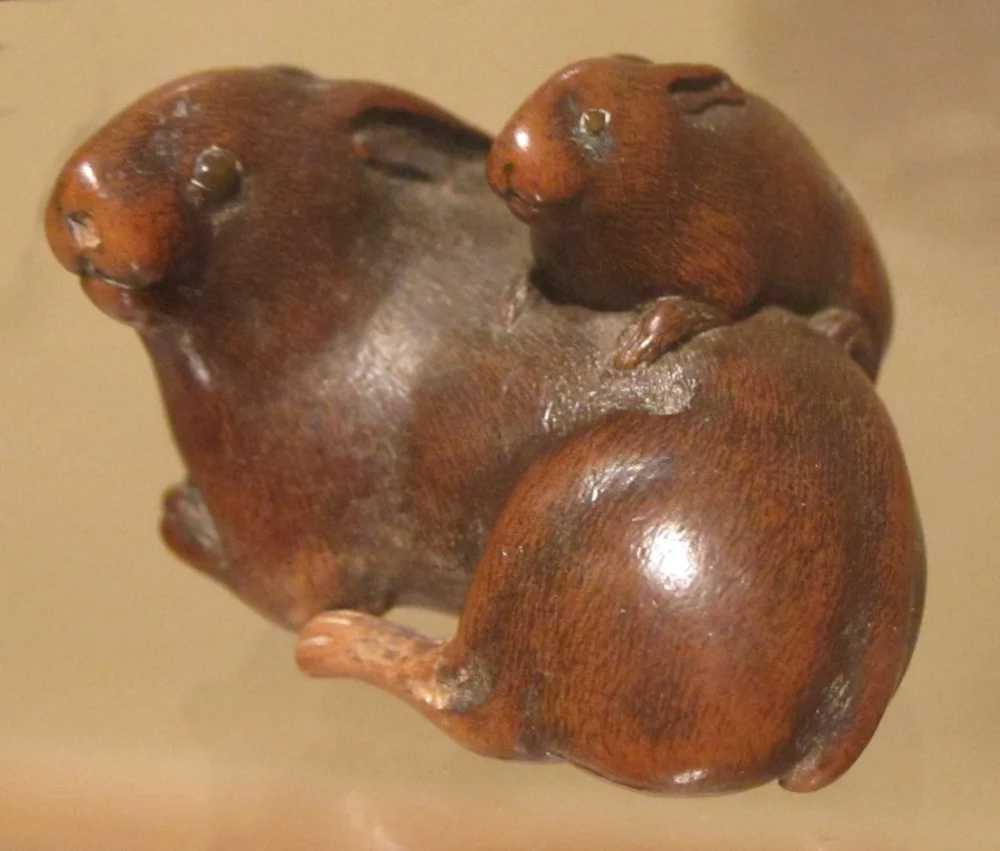 Craft & keepsakesSmall wood carving木彫りの置物¥3,000–30,000+
A small carving to admire for its material, detail and maker’s skill.
Before you buy
Provenance, finish and destination biosecurity requirements
Ichii carving, Yakusugi work and other woodcraft need their own maker and material identification.
A place to start: Hakone · Takayama · Hiroshima · Kagoshima
Pictured: A historic wooden rabbit netsuke from a museum collection; a woodcarving example, not a claim of ichii origin. A reference example; shop stock and prices vary. Photo credit.
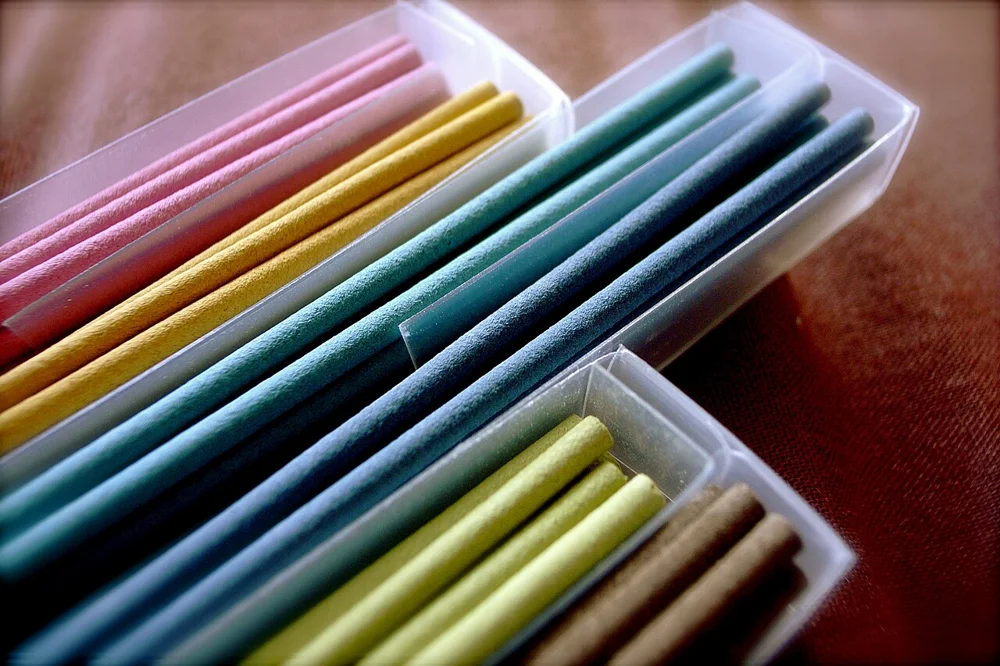 Everyday discoveriesIncenseお香¥700–3,000+ a pack
A scent to choose gently, with the recipient’s preferences and sensitivities in mind.
Before you buy
Fragrance preferences, ventilation and holder; not suitable for every recipient
Being sold in Japan does not establish where it was made. Ask about the maker and origin if that matters to you.
A place to start: Tokyo · Kyoto · Nara
Pictured: Colourful Japanese incense sticks. A reference example; shop stock and prices vary. Photo credit.
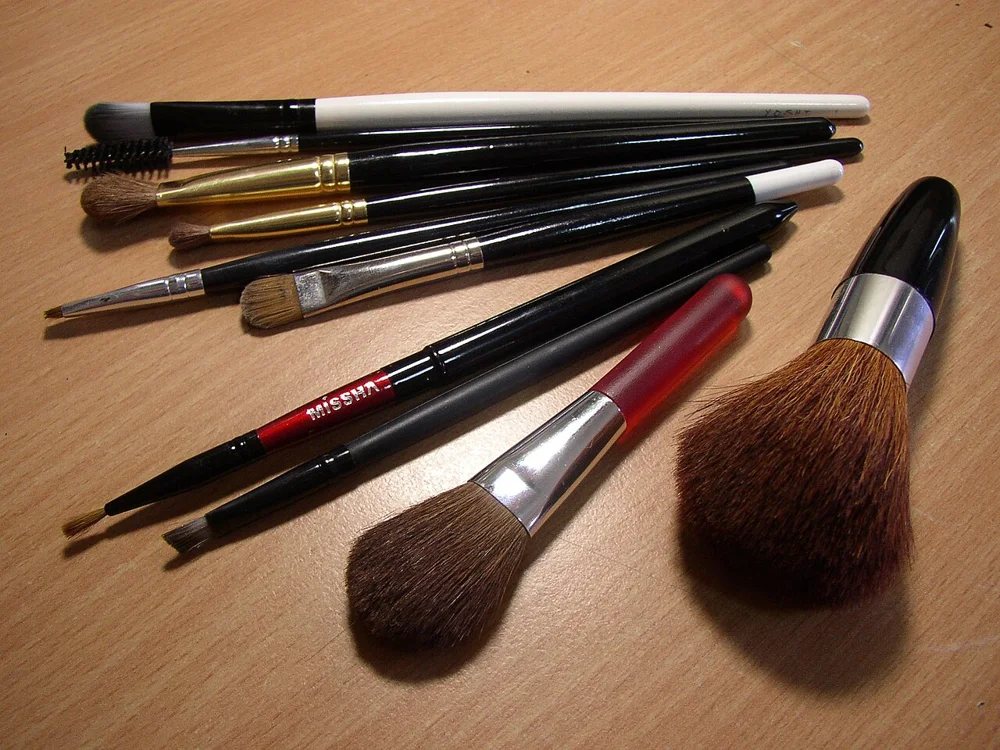 Everyday discoveriesMakeup brush化粧筆¥2,000–15,000+ each
A makeup brush chosen for its purpose, fibre and comfortable feel.
Before you buy
Ask use, hair/material and care; no blanket hypoallergenic claim
Kumano brushes come from Kumano town in Hiroshima Prefecture; check the actual maker.
A place to start: Tokyo · Kyoto · Hiroshima
Pictured: A selection of makeup brushes; an example of shapes, with no claim of Kumano manufacture. A reference example; shop stock and prices vary. Photo credit.
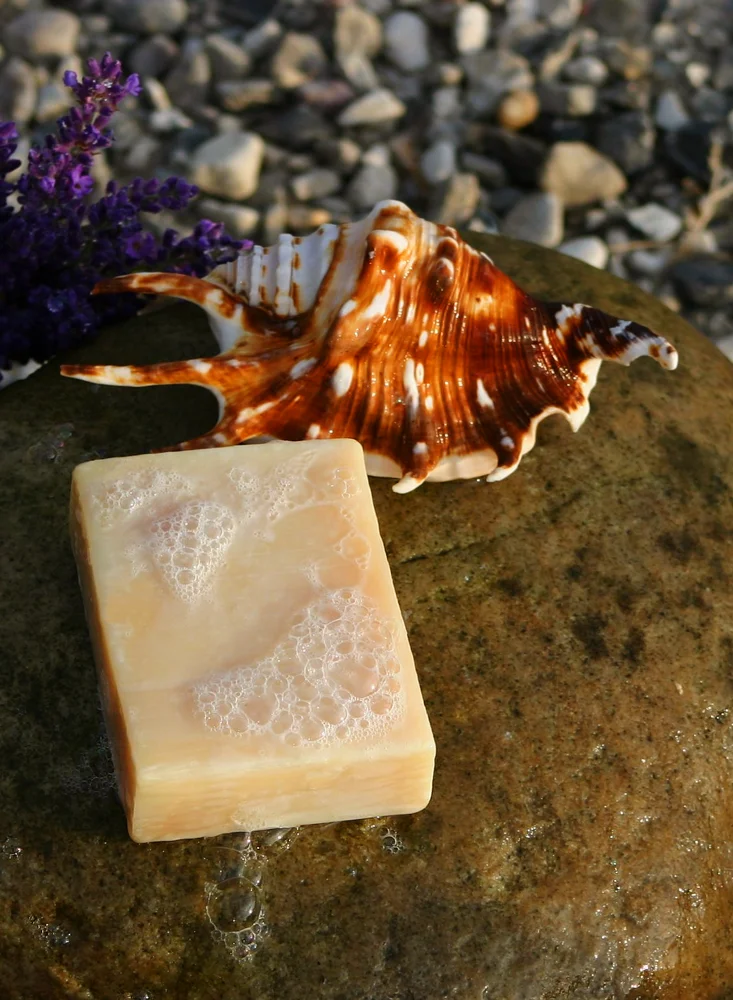 Everyday discoveriesLocal soap石けん¥500–2,000+ each
A practical little gift when the ingredients and fragrance suit the recipient.
Before you buy
Check ingredients and fragrance; local does not mean medically suitable
Being sold in Japan does not establish where it was made. Ask about the maker and origin if that matters to you.
A place to start: Sapporo · Tokyo
Pictured: A handmade soap bar; a general product reference, with no claim of Japanese manufacture. A reference example; shop stock and prices vary. Photo credit.
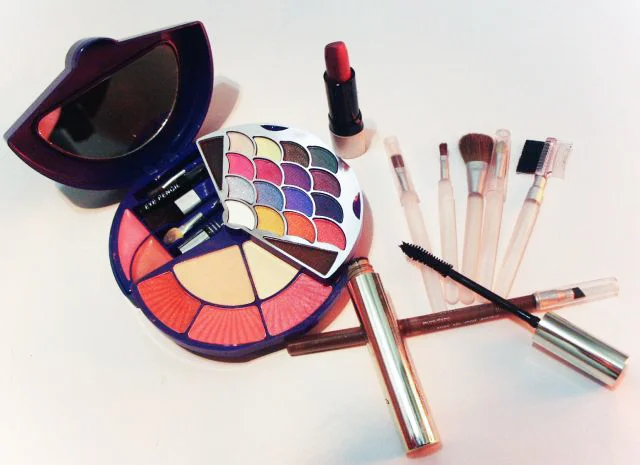 Everyday discoveriesSkincare / cosmetic gift化粧品¥500–5,000+ for simple items
A familiar, clearly labelled cosmetic item, with ingredients and use checked before buying.
Before you buy
Recipient's preferences, ingredients, liquids and home-country rules
Being sold in Japan does not establish where it was made. Ask about the maker and origin if that matters to you.
A place to start: Tokyo · Osaka · Kobe
Pictured: A cosmetics assortment; a category reference, not a recommendation of the pictured brands. A reference example; shop stock and prices vary. Photo credit.
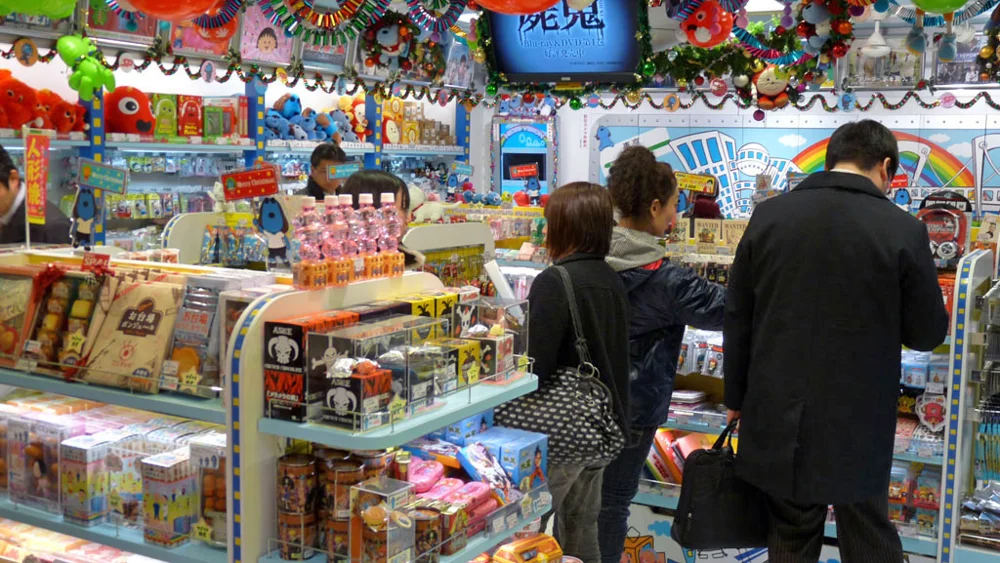 Everyday discoveriesLicensed character itemキャラクターグッズ¥500–5,000+
A playful character item from an authorised shop or clearly licensed range.
Before you buy
Use official/licensed retailers; merchandise is not necessarily made in Japan
Being sold in Japan does not establish where it was made. Ask about the maker and origin if that matters to you.
A place to start: Sapporo · Tokyo · Osaka · Fukuoka
Pictured: A shop display on Tokyo Character Street; check official licensing on the actual goods. A reference example; shop stock and prices vary. Photo credit.
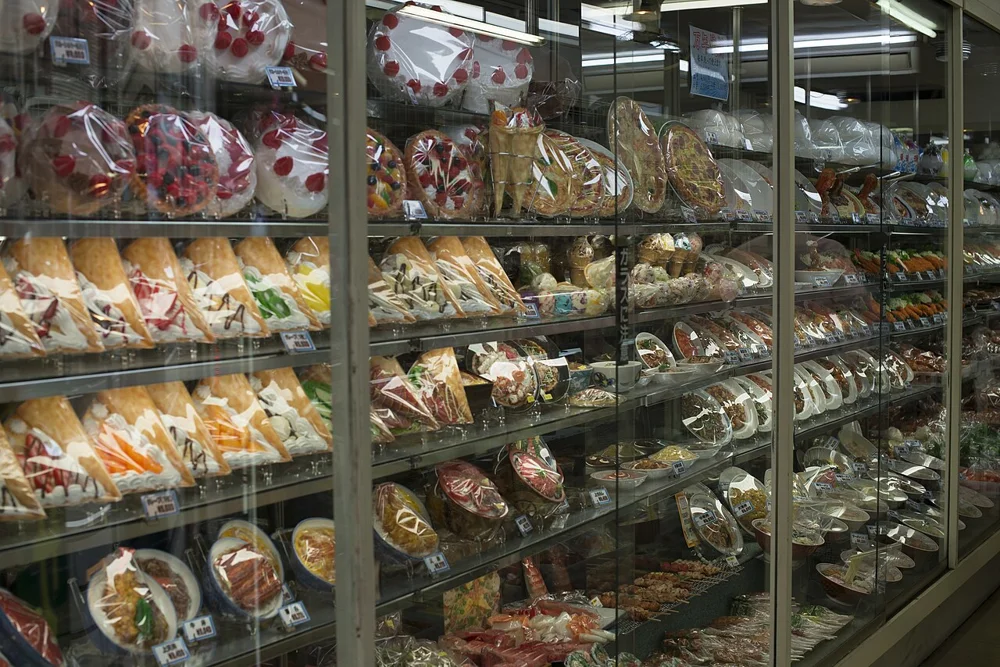 Everyday discoveriesFood-replica magnet / keyring食品サンプル¥800–4,000+ for a small item
A miniature food replica that turns a meal memory into a playful keepsake.
Before you buy
Clearly label as a replica; small parts are not food or toddler toys
Being sold in Japan does not establish where it was made. Ask about the maker and origin if that matters to you.
A place to start: Tokyo · Osaka
Pictured: Food replicas for sale on Kappabashi-dori; pictured stock is not current inventory. A reference example; shop stock and prices vary. Photo credit.
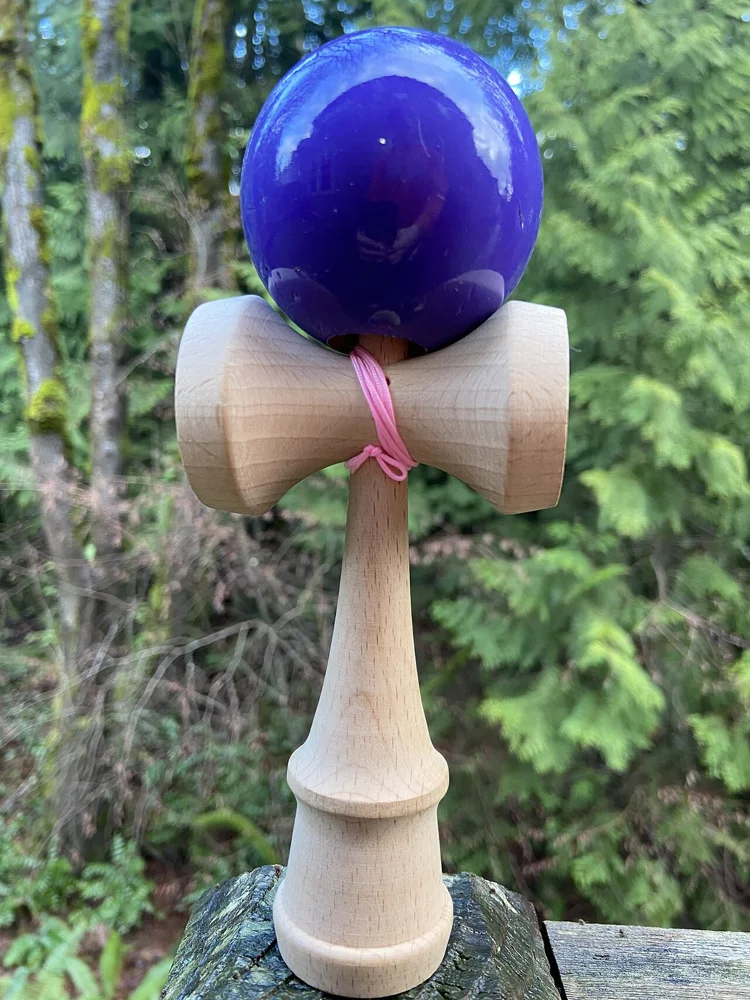
Everyday discoveriesKendamaけん玉¥1,000–4,000+A wooden cup-and-ball skill toy, with a size and difficulty suited to its user.
Before you buy
Age, weight and difficulty; allow space to play
Being sold in Japan does not establish where it was made. Ask about the maker and origin if that matters to you.
A place to start: Tokyo · Osaka
Pictured: A ball-and-cup kendama toy. A reference example; shop stock and prices vary. Photo credit.
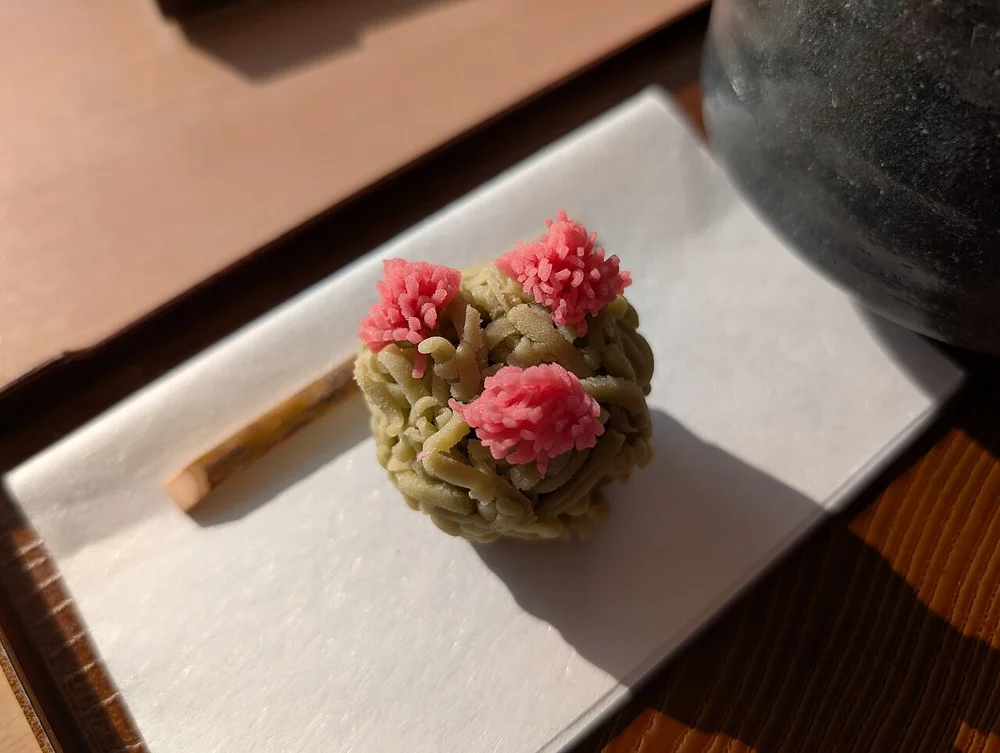 Something deliciousPackaged Japanese sweets和菓子¥500–3,000 a small box
A small box of Japanese sweets, chosen by ingredients, shelf life and storage needs.
Before you buy
Fresh wagashi can spoil quickly; check ingredients and actual expiry date
Being sold in Japan does not establish where it was made. Ask about the maker and origin if that matters to you.
A place to start: Sendai · Tokyo · Hakone · Kanazawa · Kyoto · Nara · Hiroshima
Pictured: An azalea-shaped wagashi by Noriko Jazayeri; fresh sweets need storage and shelf-life checks. A reference example; shop stock and prices vary. Photo credit.
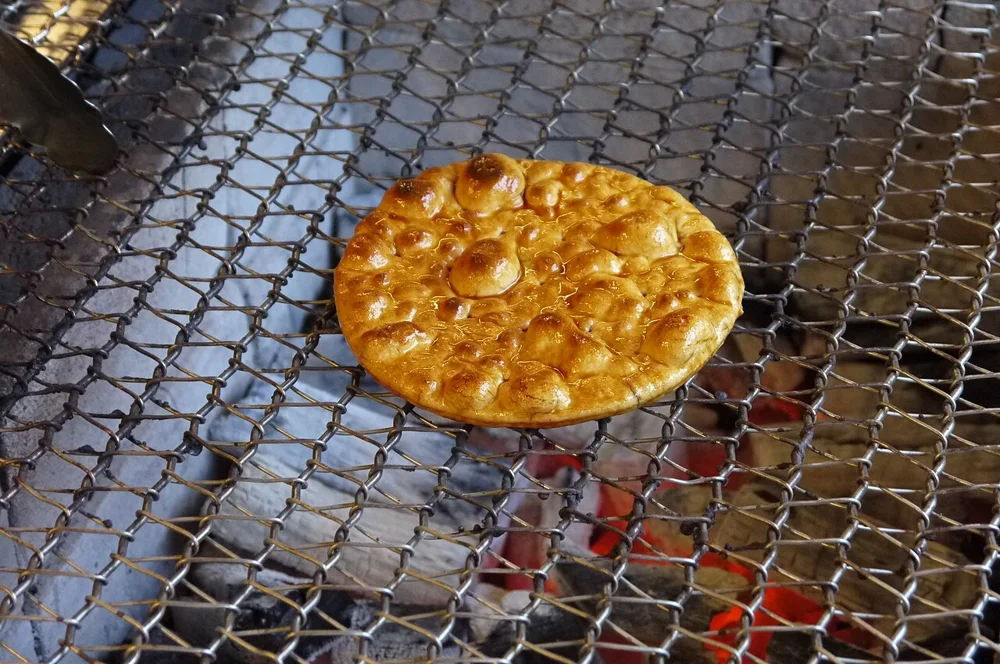 Something deliciousRice crackersせんべい・あられ¥400–2,000 a pack/box
A crisp savoury gift: check flavours, allergens and the number of pieces in the pack.
Before you buy
Rice-based does not mean gluten-free; soy sauce or other ingredients may contain wheat
Being sold in Japan does not establish where it was made. Ask about the maker and origin if that matters to you.
A place to start: Tokyo · Osaka
Pictured: A senbei rice cracker being toasted. A reference example; shop stock and prices vary. Photo credit.
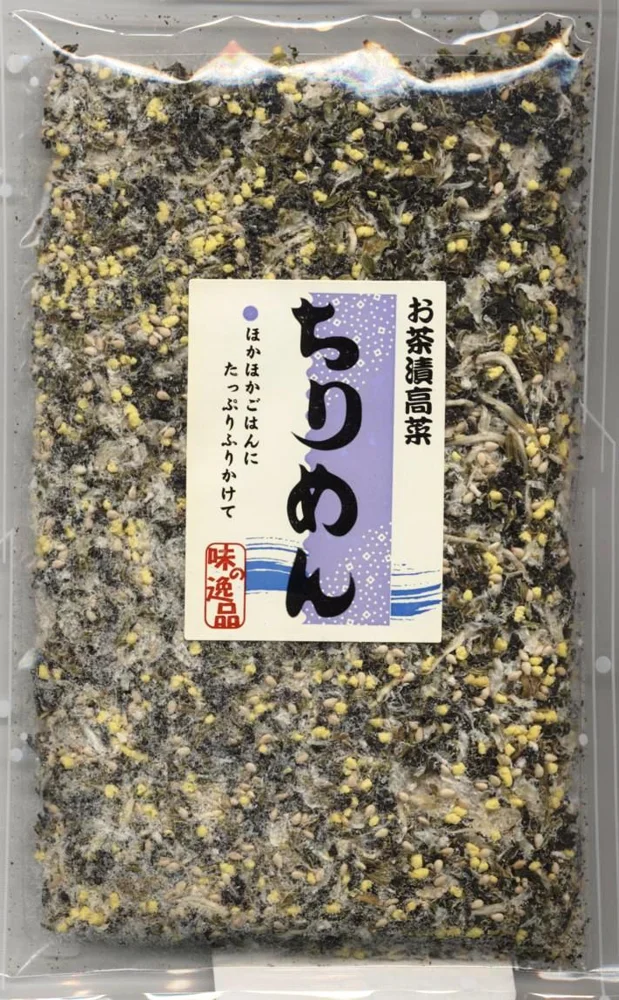 Something deliciousSeasonings / dried pantry gifts調味料・乾物¥300–2,000 a small pack
A pantry discovery for someone who cooks, with ingredients and destination rules checked.
Before you buy
Fish/meat/seed ingredients, liquids and destination rules; no blanket entry guarantee
Being sold in Japan does not establish where it was made. Ask about the maker and origin if that matters to you.
A place to start: Hakodate · Tokyo · Osaka · Fukuoka
Pictured: A packaged furikake rice seasoning. A reference example; shop stock and prices vary. Photo credit.
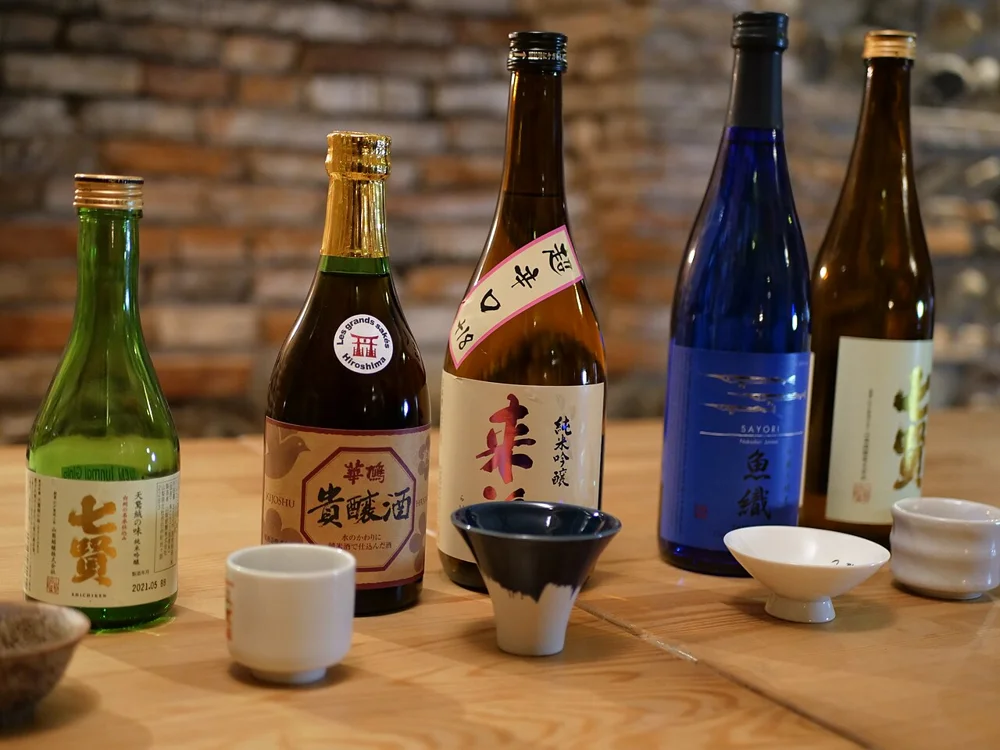 Something deliciousSake日本酒¥1,500–5,000+ for a typical 720 ml bottle
A bottle for an adult recipient who enjoys sake, chosen with storage and travel in mind.
Before you buy
Weight, liquid limits, home-country allowance and temperature requirements
Being sold in Japan does not establish where it was made. Ask about the maker and origin if that matters to you.
A place to start: Tokyo · Kanazawa · Takayama · Kobe
Pictured: Sake bottles and small serving cups. A reference example; shop stock and prices vary. Photo credit.
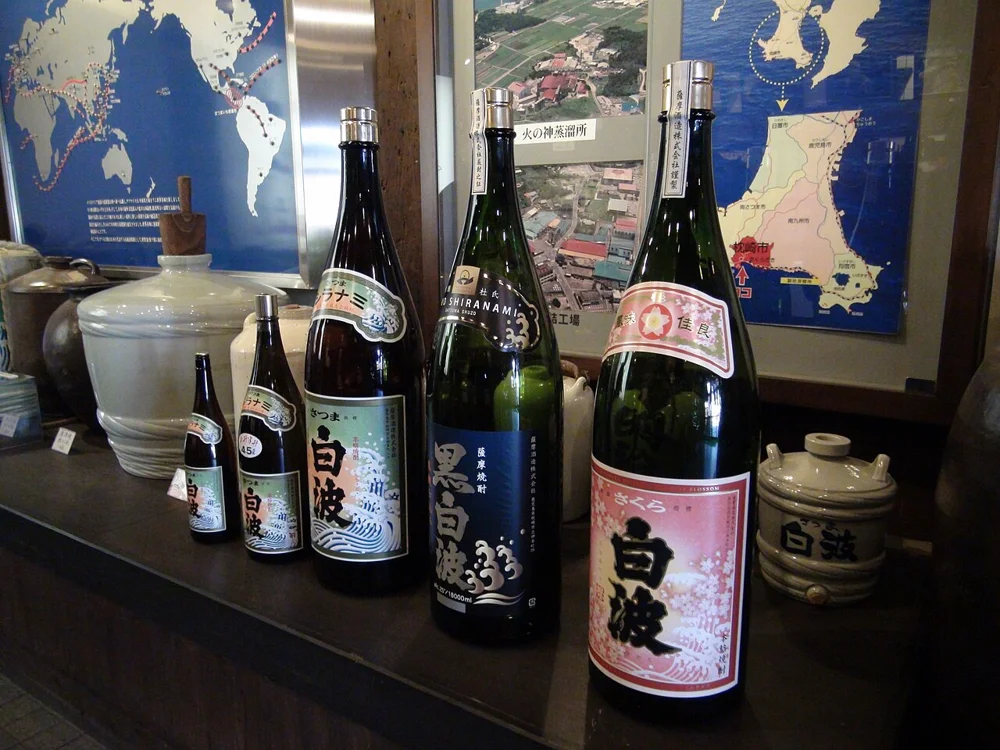 Something deliciousShochu焼酎¥1,200–4,000+ for a typical 720/900 ml bottle
A Japanese distilled spirit for an interested adult, with style and strength explained.
Before you buy
Check bottle size and alcohol strength; adult gift, not a universal recommendation
Being sold in Japan does not establish where it was made. Ask about the maker and origin if that matters to you.
A place to start: Kagoshima
Pictured: A display of Satsuma Shuzo shochu bottles. A reference example; shop stock and prices vary. Photo credit.
02 / A little inspiration
Three ideas, chosen around
your interests and your suitcase.
Budgets use the lower end of each estimated range. Check the actual item price. Suggestions do not check shop stock.
03 / Know what you are looking at
Yukata: a lighter summer garment, usually worn with a sash. Kimono: a broader garment tradition, with a greater range of formality and materials. Haori: a jacket worn over other clothing. Jinbei: a relaxed two-piece outfit.
Ask about measurements, fibre, care and what is included. Rental prices are not purchase prices.
Yunomi: an everyday tea cup. Chawan: a bowl, including bowls made for preparing matcha. Kyusu: a teapot for brewing loose leaves.
A tea set may include different numbers of pieces. Check whether the displayed price is for one item or the whole set.
Yosegi describes decorative wood marquetry. Himitsu-bako is a secret-opening box. A box can be both, but not every patterned wooden box is a puzzle.
Try the opening with permission and keep the instructions.
Both can be good choices. Being sold in Kyoto, Kobe or Kanazawa does not establish where an item was made. Ask about the maker, material and production place if local origin matters to you.
04 / Make an afternoon of it
A map, useful stops and a little outing
for each of our 15 cities.
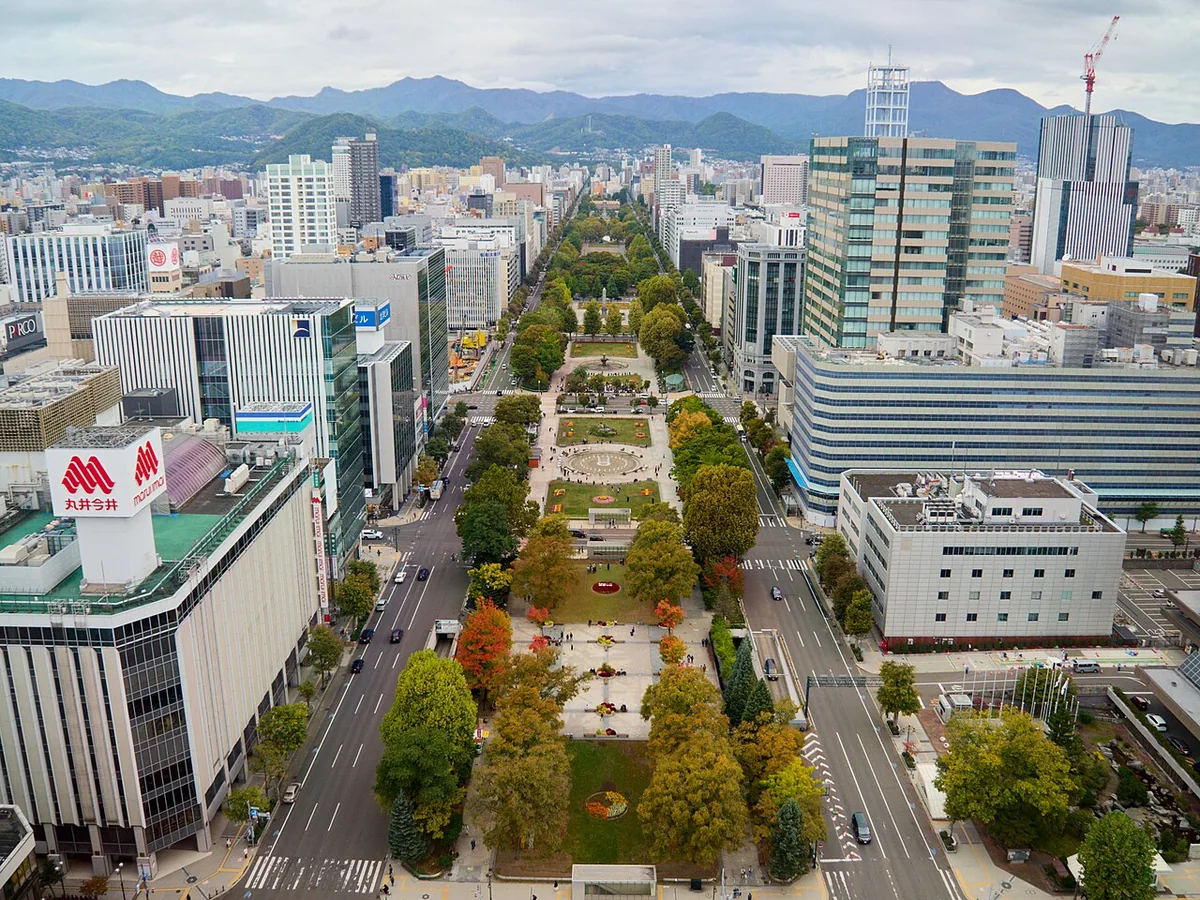 札幌SapporoA little northern design. Something sweet.Plan a little browse ↗
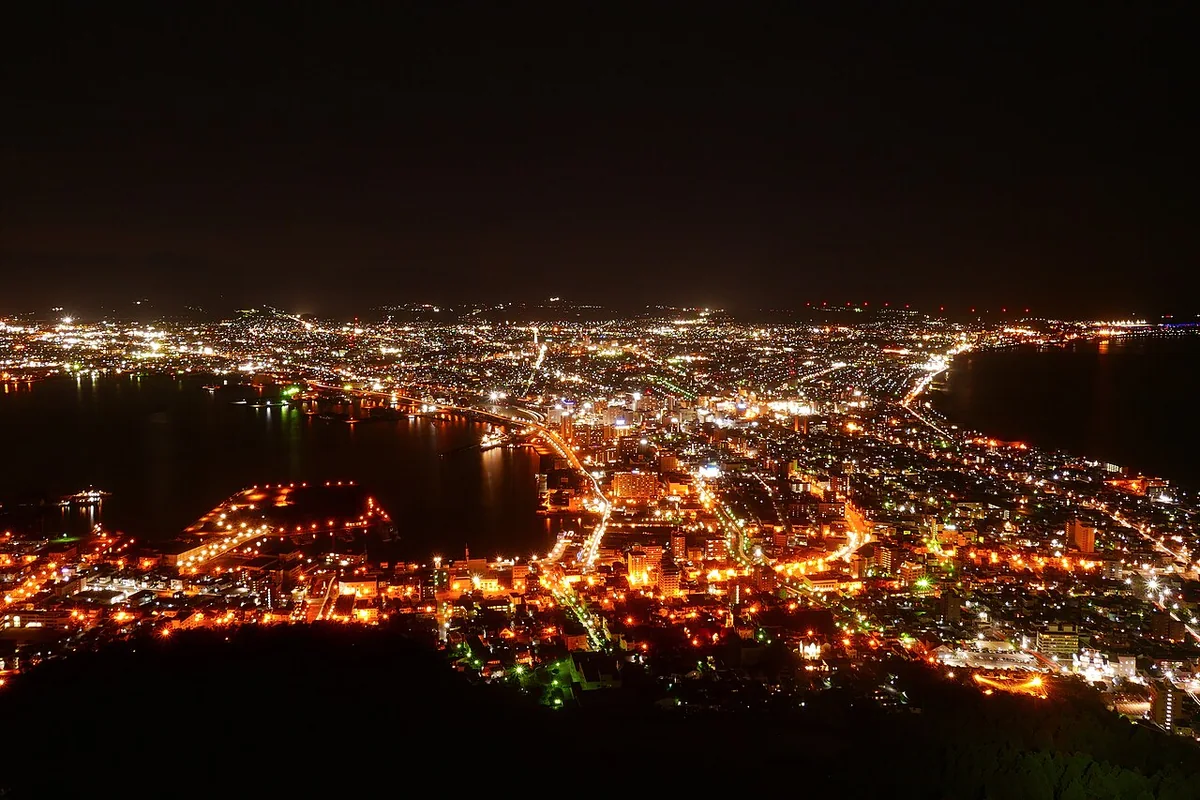 函館HakodateHarbour shops. Little things to bring home.Plan a little browse ↗
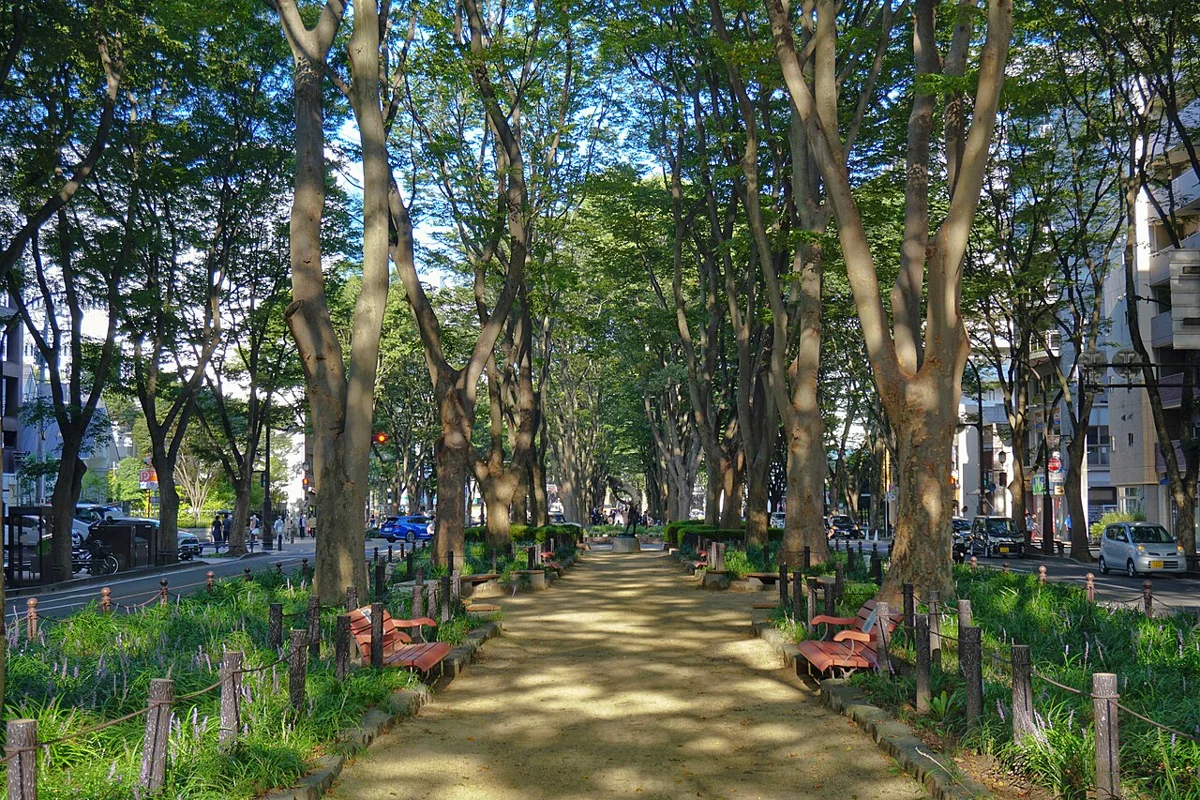 仙台SendaiSmall crafts. A little of Tohoku.Plan a little browse ↗
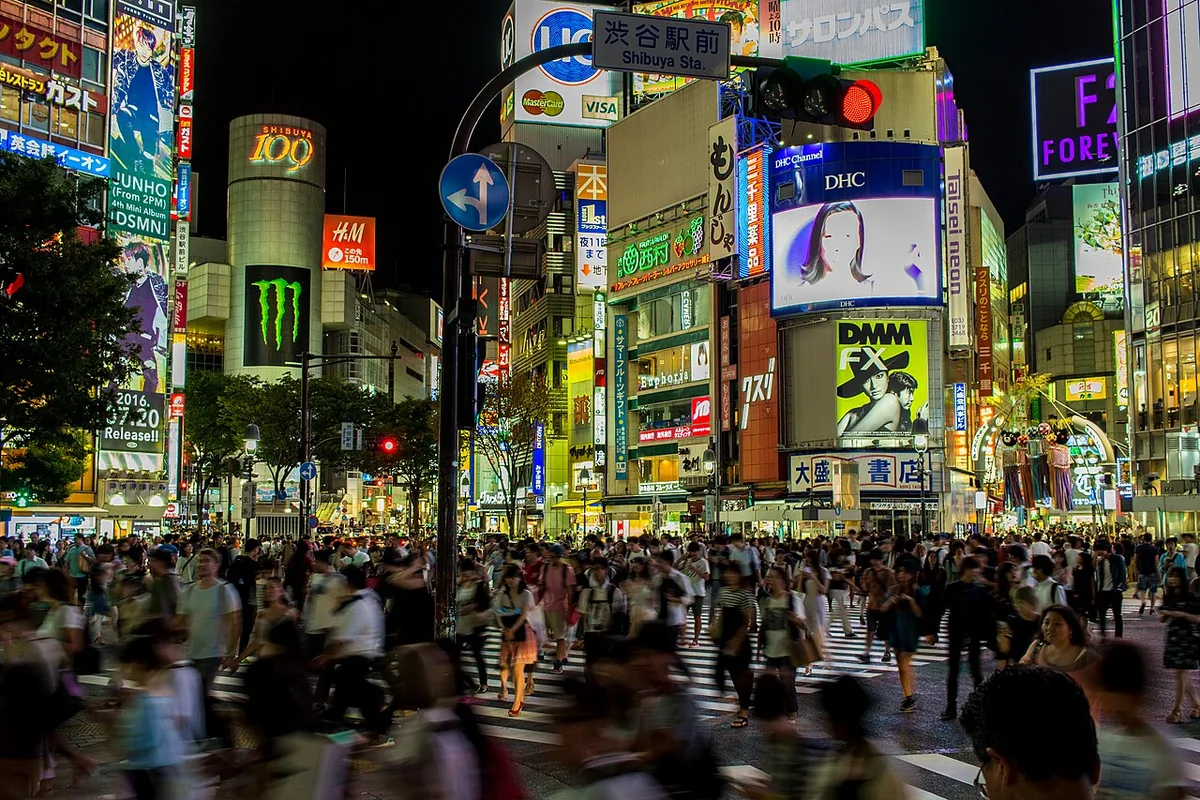 東京TokyoA beautiful pen. A cup. An unexpected find.Plan a little browse ↗
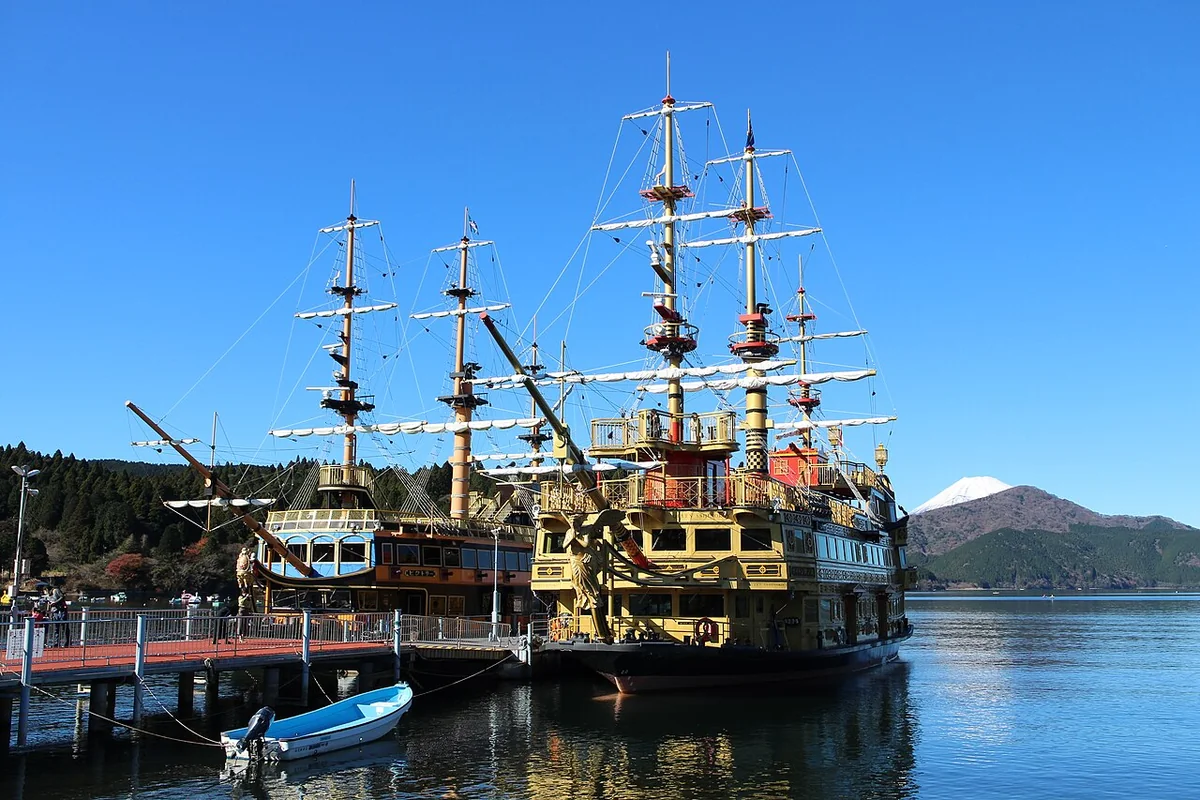 箱根HakoneA little puzzle. A clever piece of wood.Plan a little browse ↗
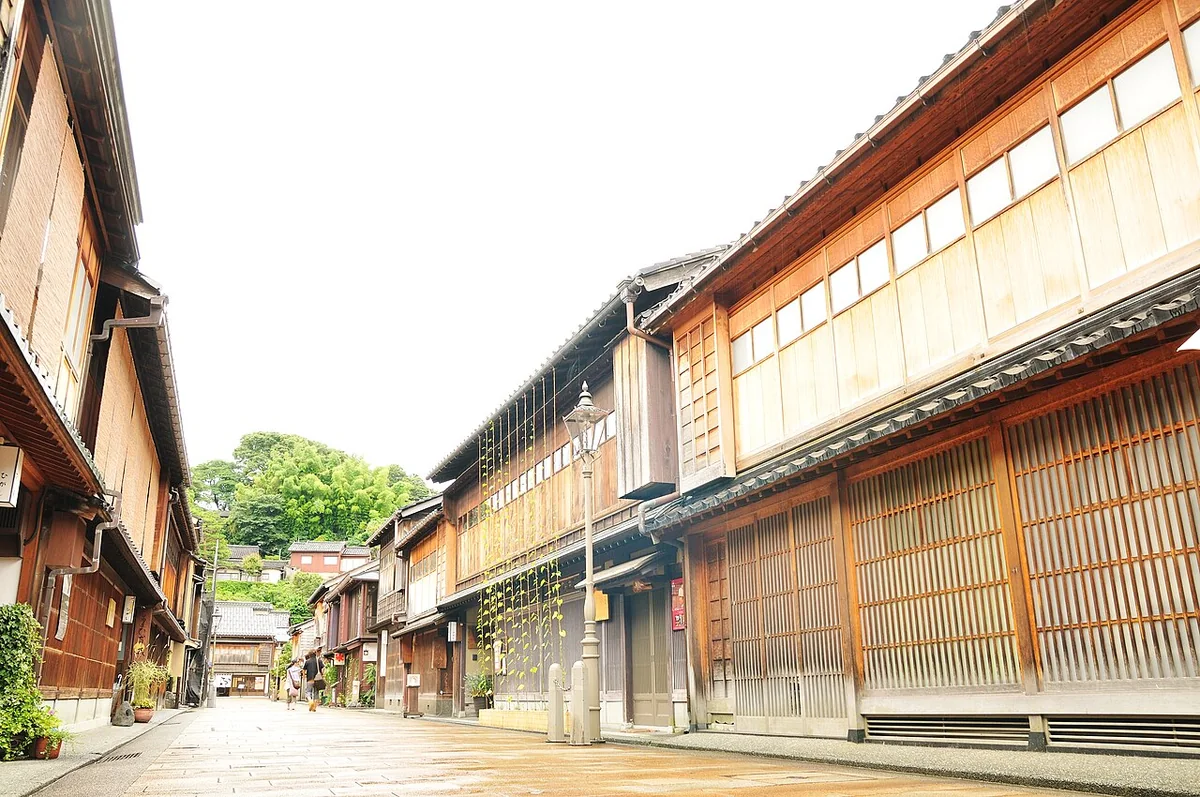 金沢KanazawaColour, craft and a touch of gold.Plan a little browse ↗
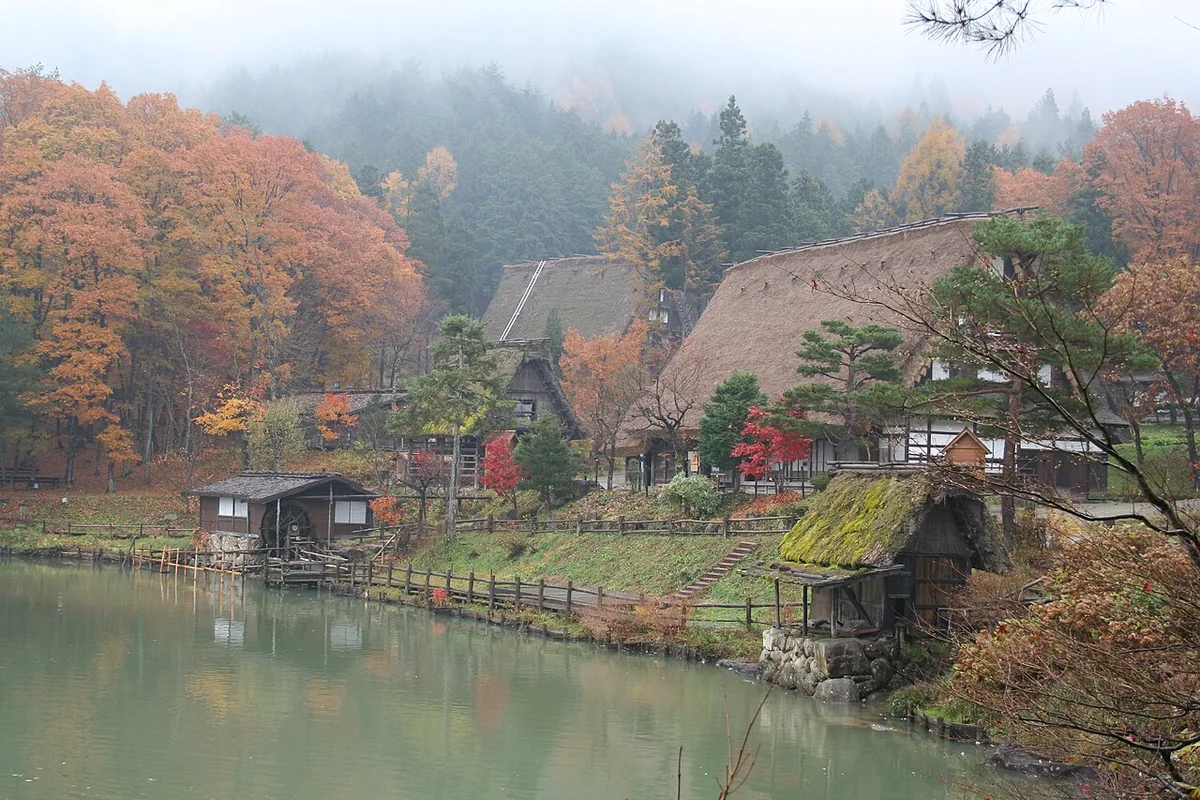 高山TakayamaWarm wood. Small gifts. Hida stories.Plan a little browse ↗
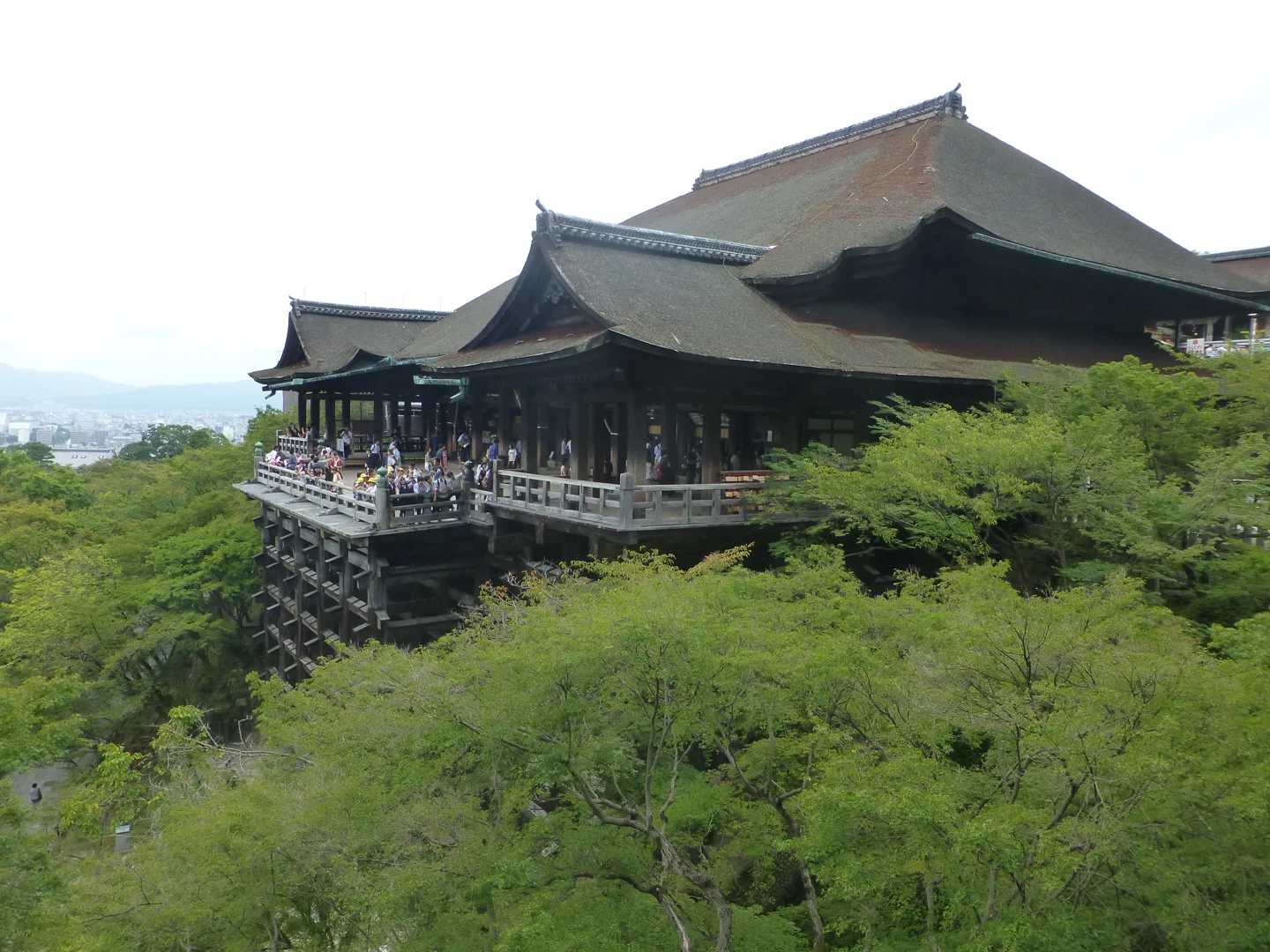 京都KyotoA cloth, a fan, a cup you will keep.Plan a little browse ↗
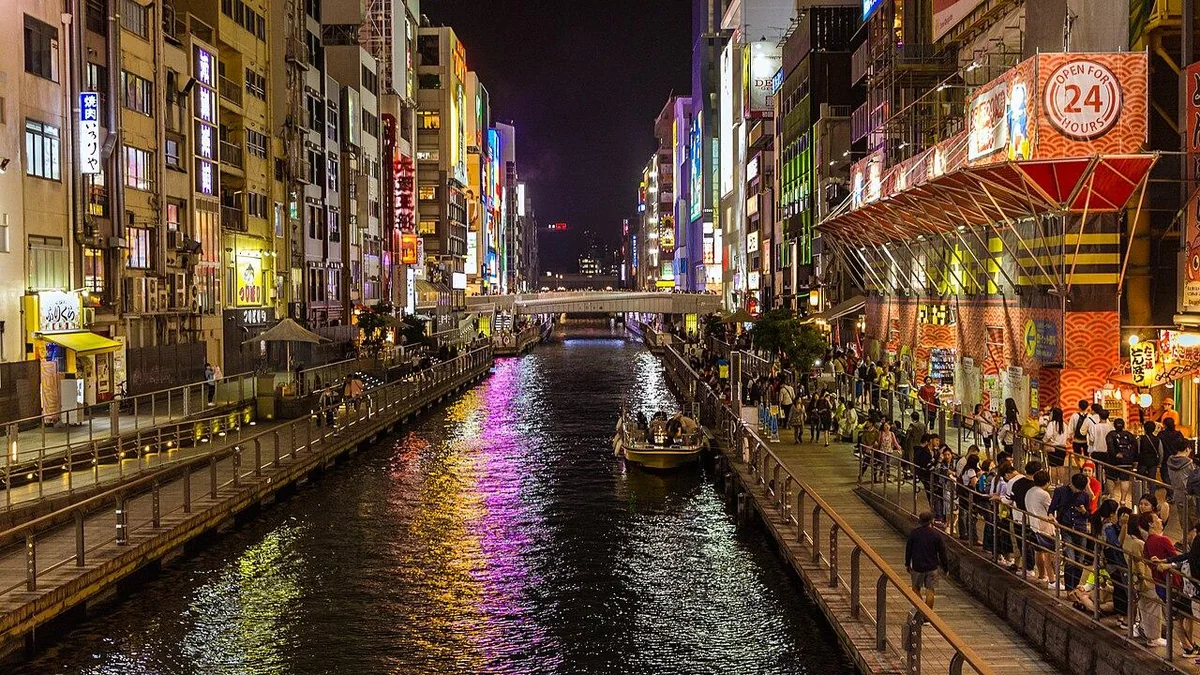 大阪OsakaBring a little of the kitchen home.Plan a little browse ↗
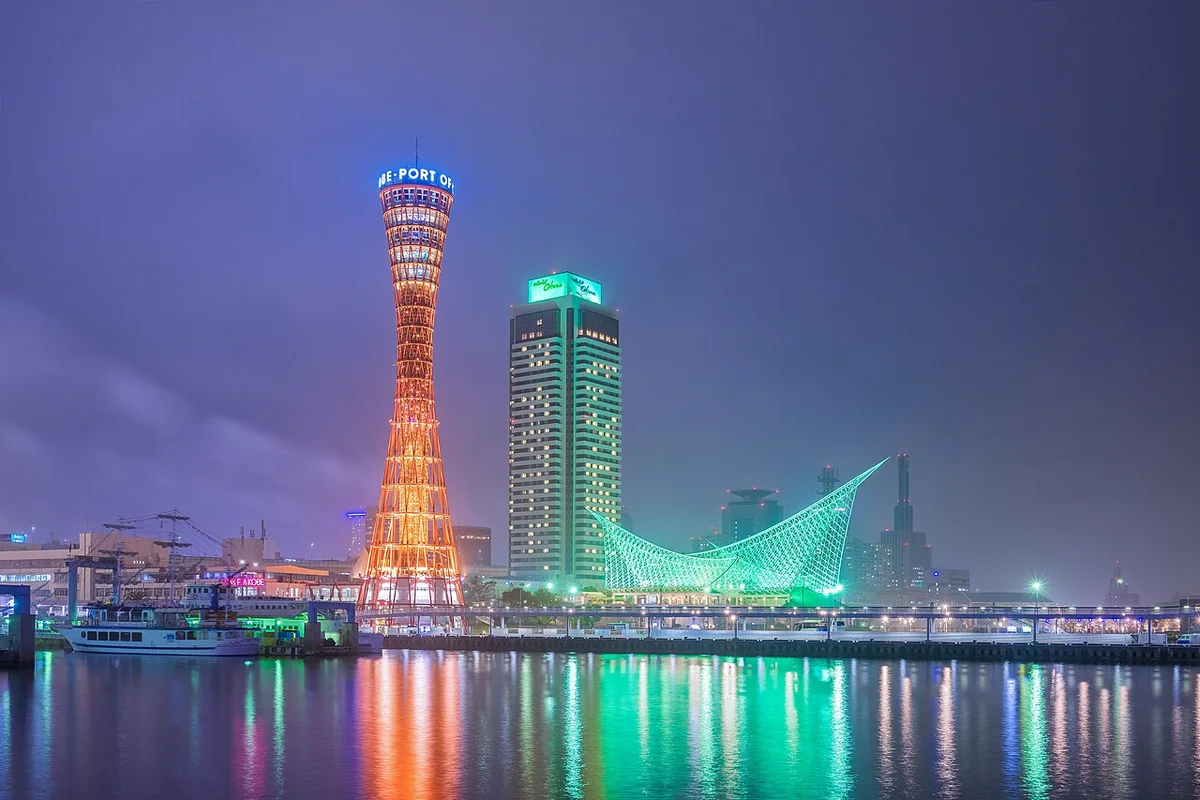 神戸KobeSomething sweet. Something carefully chosen.Plan a little browse ↗
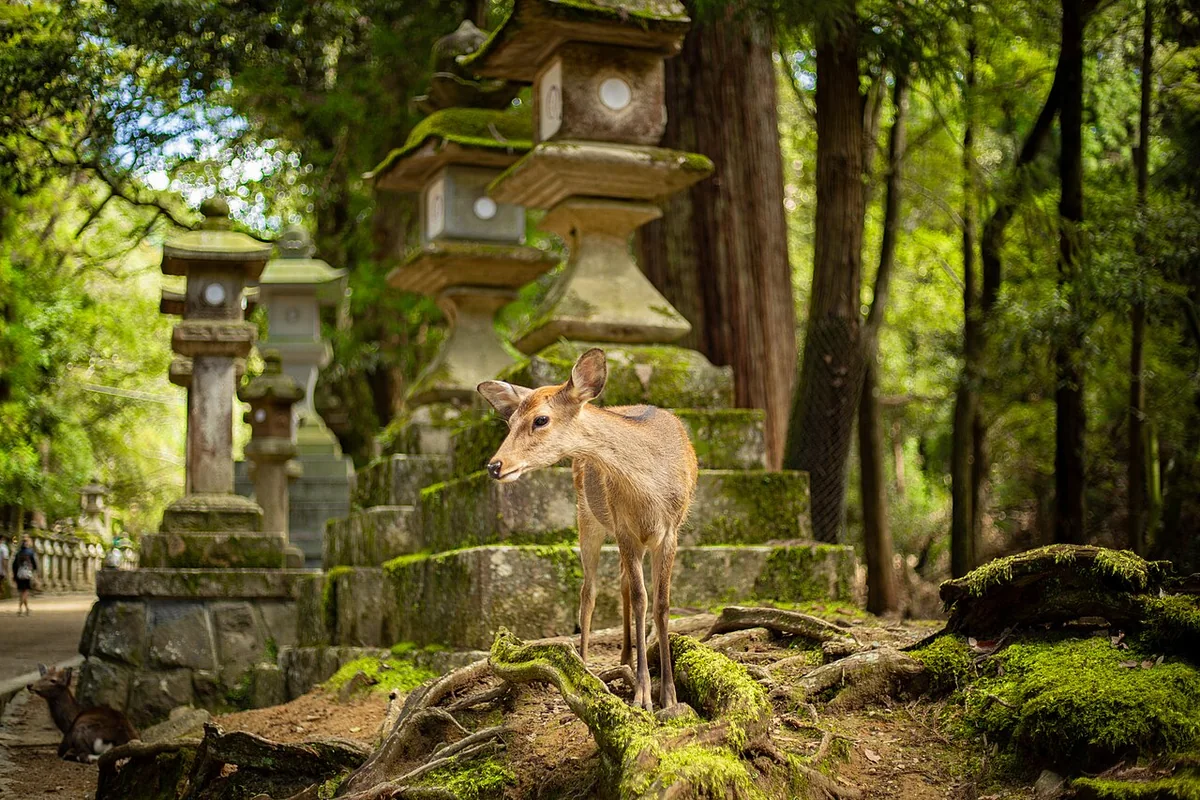 奈良NaraUseful cloths. Good paper. Quiet discoveries.Plan a little browse ↗
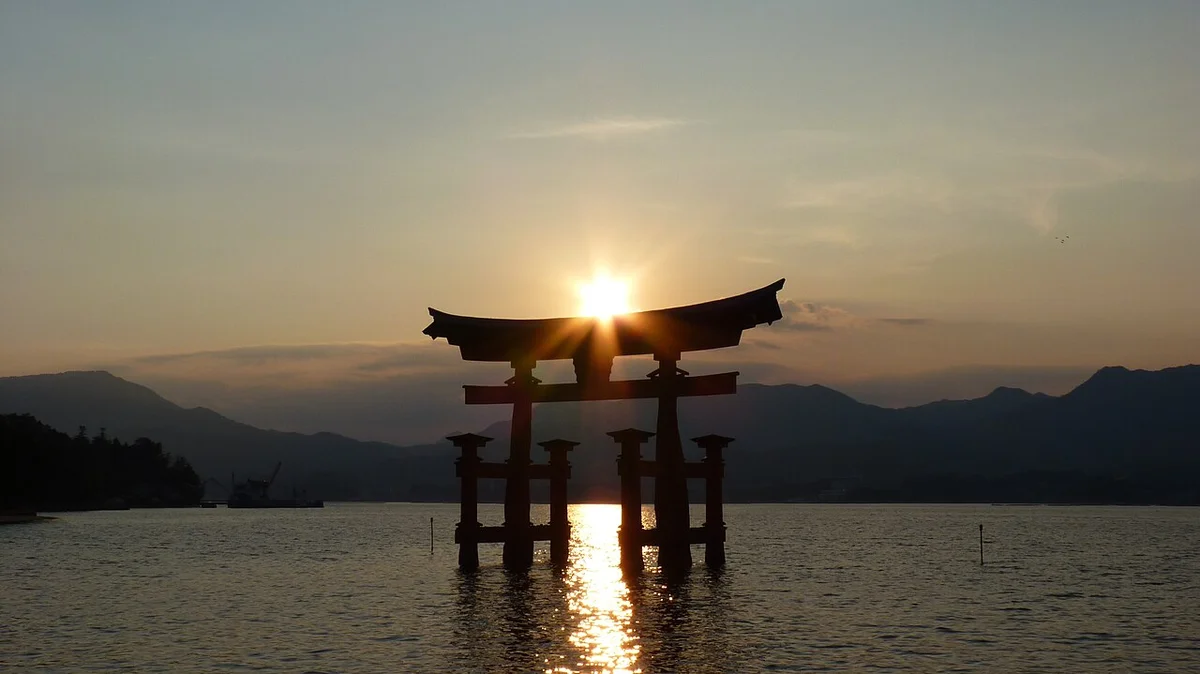 広島HiroshimaA thoughtful brush. A small island gift.Plan a little browse ↗
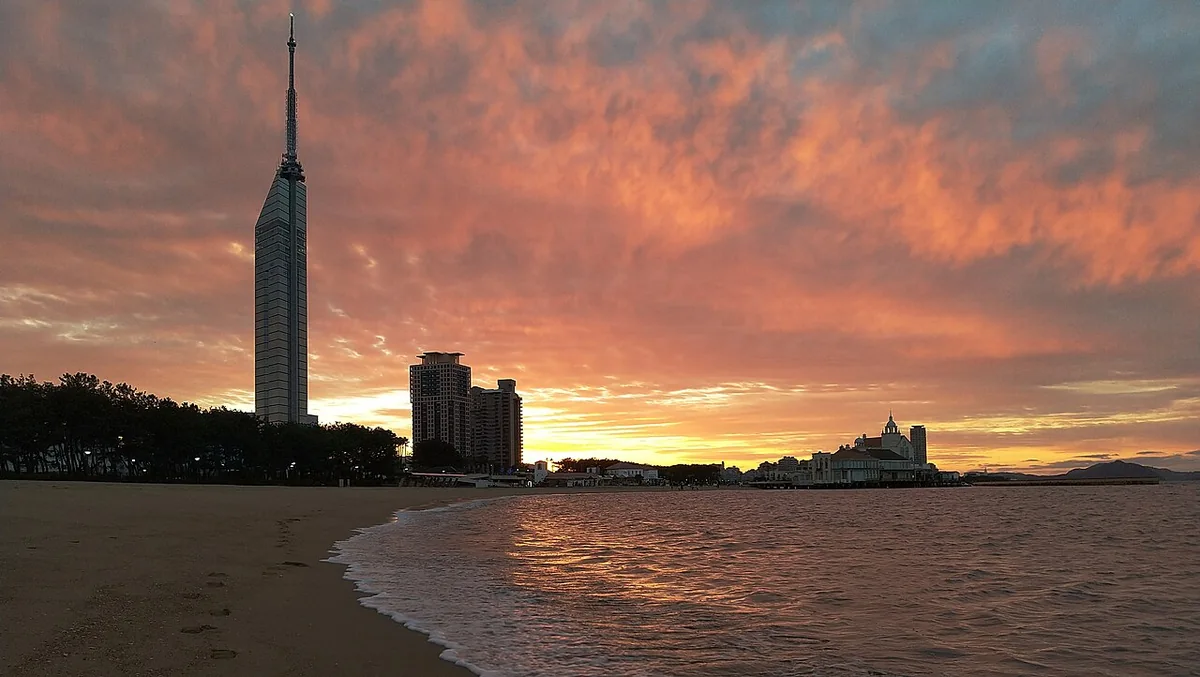 福岡FukuokaWoven colour. Small local treasures.Plan a little browse ↗
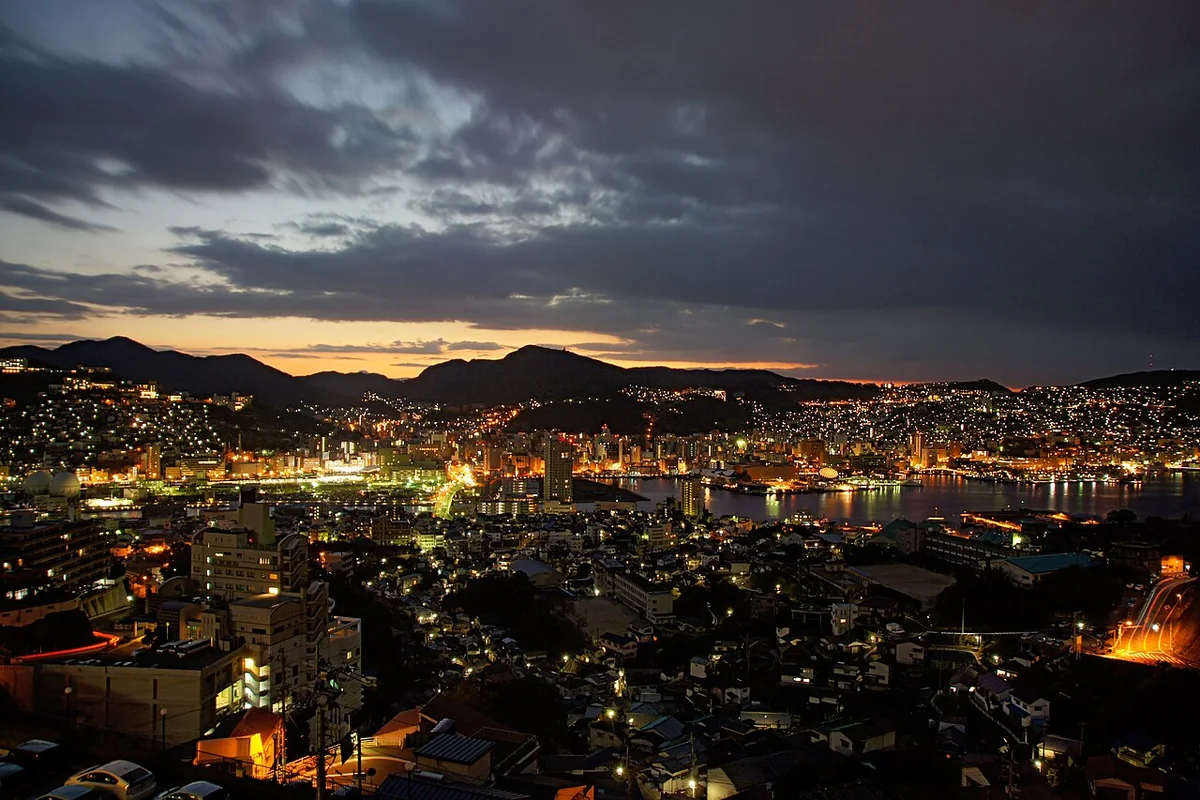 長崎NagasakiA piece of pottery. A box to share.Plan a little browse ↗
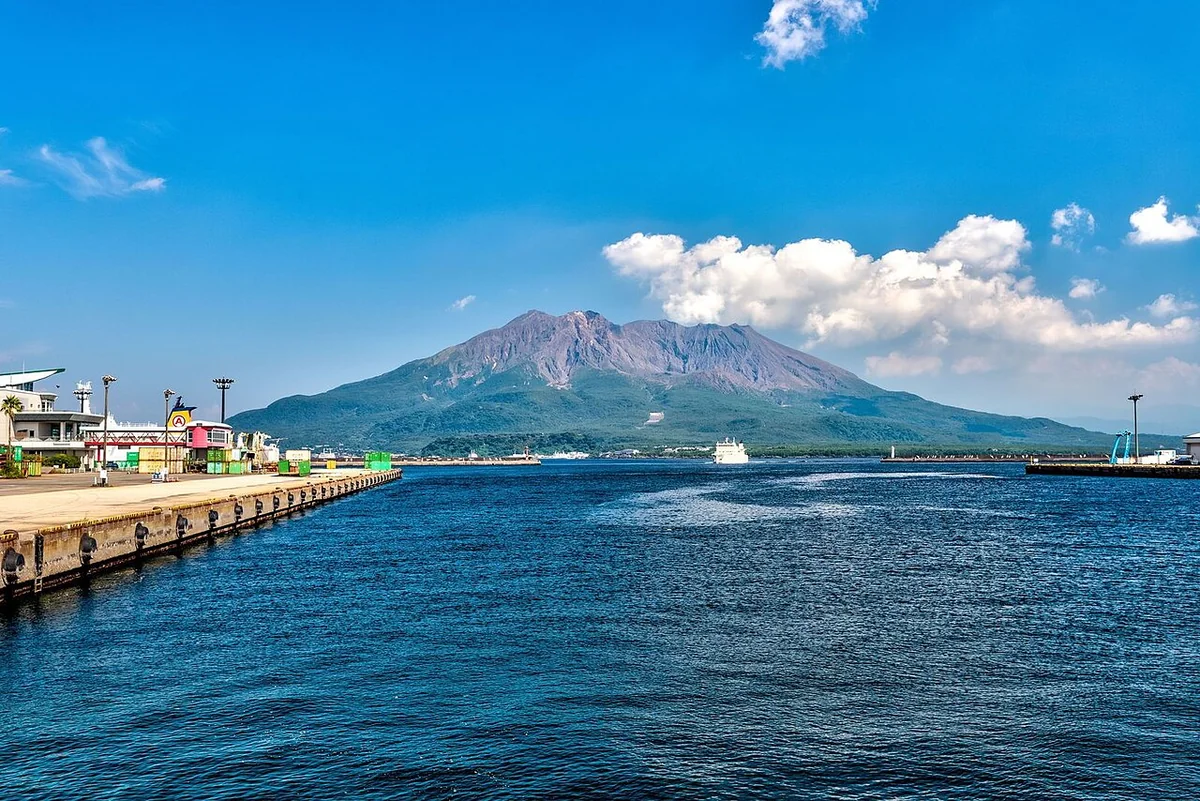 鹿児島KagoshimaTea, textiles and light through glass.Plan a little browse ↗
05 / A little Japanese
Choose one phrase and show the large Japanese card.
A picture opens a question about availability. “I’ll take this” is a separate purchase request. Point to the actual item in the shop.
すみません。
Sumimasen.
Attract attention gently
これはいくらですか?
Kore wa ikura desu ka?
Point to the actual item
これを見せていただけますか?
Kore o misete itadakemasu ka?
Requests a closer look; does not place an order
これを試着してもいいですか?
Kore o shichaku shite mo ii desu ka?
Clothing; staff may explain fitting-room rules
これをお願いします。
Kore o onegaishimasu.
A purchase request; visually distinct from browsing questions
お会計はどこですか?
Okaikei wa doko desu ka?
Directly addresses department-store uncertainty
手に取ってもいいですか?
Te ni totte mo ii desu ka?
Useful with fragile/display objects; wait for permission
ほかの色はありますか?
Hoka no iro wa arimasu ka?
Availability question
もっと大きいサイズはありますか?
Motto ōkii saizu wa arimasu ka?
Clothing/item size, not quantity
もっと小さいサイズはありますか?
Motto chiisai saizu wa arimasu ka?
Separate button from larger
この靴を履いてみてもいいですか?
Kono kutsu o haite mite mo ii desu ka?
Use for shoes; sandals can use a contextual label
ありがとうございます。少し見ているだけです。
Arigatō gozaimasu. Sukoshi mite iru dake desu.
Polite response when assistance is offered
もう少し手頃なものはありますか?
Mō sukoshi tegoro na mono wa arimasu ka?
Requests another option, not a discount on this one
これは日本製ですか?
Kore wa Nihonsei desu ka?
Manufacturing origin, not an authenticity guarantee
これはどこで作られたものですか?
Kore wa doko de tsukurareta mono desu ka?
Better than assuming local origin
これは手作りですか?
Kore wa tezukuri desu ka?
Does not establish who made it or how much is handmade
これは綿ですか?
Kore wa men desu ka?
Useful for summer clothing; blends may need clarification
お手入れはどうすればいいですか?
Oteire wa dō sureba ii desu ka?
Open question; the answer may need translation
ここでお会計できますか?
Koko de okaikei dekimasu ka?
Useful beside a brand counter
クレジットカードは使えますか?
Kurejitto kādo wa tsukaemasu ka?
Does not assume every card network is accepted
支払いは現金のみですか?
Shiharai wa genkin nomi desu ka?
Clear yes/no question
こちらで免税の手続きはできますか?
Kochira de menzei no tetsuzuki wa dekimasu ka?
Asks about procedures, not guaranteed personal eligibility
これは税込みの値段ですか?
Kore wa zeikomi no nedan desu ka?
Helpful when more than one price appears
レシートをいただけますか?
Reshīto o itadakemasu ka?
Retain for returns and tax procedures
プレゼント用に包んでいただけますか?
Purezento-yō ni tsutsunde itadakemasu ka?
Wrapping may cost extra
別々に包んでいただけますか?
Betsubetsu ni tsutsunde itadakemasu ka?
Use with multiple selected items
ラッピングは別料金ですか?
Rappingu wa betsuryōkin desu ka?
Do not promise free wrapping
割れないように梱包していただけますか?
Warenai yō ni konpō shite itadakemasu ka?
Request for protective packing, not a transit guarantee
袋は要りません。ありがとうございます。
Fukuro wa irimasen. Arigatō gozaimasu.
Specific refusal; less ambiguous than a general “it's okay”
返品や交換はできますか?
Henpin ya kōkan wa dekimasu ka?
Ask before purchase; answer depends on item and shop policy
書いていただけますか?
Kaite itadakemasu ka?
Useful for a price or instructions
もう少しゆっくりお願いします。
Mō sukoshi yukkuri onegaishimasu.
A considerate communication aid
少し考えます。ありがとうございます。
Sukoshi kangaemasu. Arigatō gozaimasu.
Comfortable way to leave without buying
ありがとうございます。
Arigatō gozaimasu.
End of interaction
06 / Feel at home in the shop
In a big Ginza store, ask the staff in the department where you found the item. Payment may be at that brand’s counter or a nearby till.
A greeting and a little patience go a long way. Ask before handling fragile pieces or taking photographs. Some small shops accept cash only. Prices in ordinary shops are generally fixed; ask for a less expensive alternative if you need one.
Ask before trying on. Follow instructions about removing shoes or using a face cover. Check the actual measurements; Japanese size labels may differ from yours.
Gift wrapping may cost extra. Ask about returns and exchanges before you pay, especially for sale goods, cosmetics and personalised items. Keep the receipt and packaging.
A shop visit can be part of enjoying a place. Thank the staff and leave comfortably if nothing is right for you.
07 / A change to know about
Japan’s system changes on 1 November 2026. Choose when you buy the goods—not the date you leave Japan.
Use a participating shop and present your passport. Eligible purchases may have tax removed at purchase or refunded through the store’s procedure. General goods and consumables have different conditions; qualifying consumables must remain in their required sealed packaging and must not be consumed in Japan.
Keep the goods available for customs inspection on departure. Ask the store how your purchase is handled, especially if your departure falls after the change.
Official existing-system guidance ↗The eligible purchase threshold is generally ¥5,000 before tax at the same store on the same day, subject to eligibility and conditions. Missing goods can affect the whole transaction’s refund. The old special consumables packaging requirement ends under the new system, but goods consumed in Japan do not qualify for export confirmation.
Official refund-method guidance ↗Eligibility is not automatic. Check the current official rules and the retailer’s process. A refund is not necessarily 10% of the displayed price. Reviewed 24 October 2026.
08 / Before it goes in the suitcase
Ask for protective packing. Keep pieces apart and cushion them against knocks. Ask about heat, dishwasher use and care; lacquer and decorated surfaces need particular attention.
Read the ingredients, storage instructions and best-before date. Your destination may restrict food, seeds, plant materials, untreated wood or animal products. Declare items where required; a sealed package does not guarantee admission.
Australia’s official bringing-goods guide ↗ · Check your own destination’s border authority.
Kitchen knives belong in checked baggage, securely packed, subject to airline and destination rules. International cabin-liquid limits commonly restrict containers to 100 ml; check your airport and airline. Alcohol allowances, age limits and carriage restrictions vary.
Narita’s official baggage guidance ↗Protect paper and fans from bending and moisture. Keep garment care instructions. Avoid gifts made from restricted wildlife materials; do not assume a shop sale makes export or import legal.
09 / Keep a few ideas
Saved ideas stay in this browser. They are not a basket, booking or stock reservation.
No saved ideas yet. Open an item or a city stop and choose Save.
Copy these notes into your notes app or print them to keep a simple list. The notes contain no maps, photographs or audio; check shop details before setting out.