
Three nights above the clouds
Stay in a working temple and give Koyasan two full days: cedar paths, the sacred precinct and time simply to be there.
Fumi journeys · A Fumi Railway Discovery Journey
Koyasan, Kyoto & Kinosaki by rail
Fumi travel films
The film couldn’t load. Please try again.
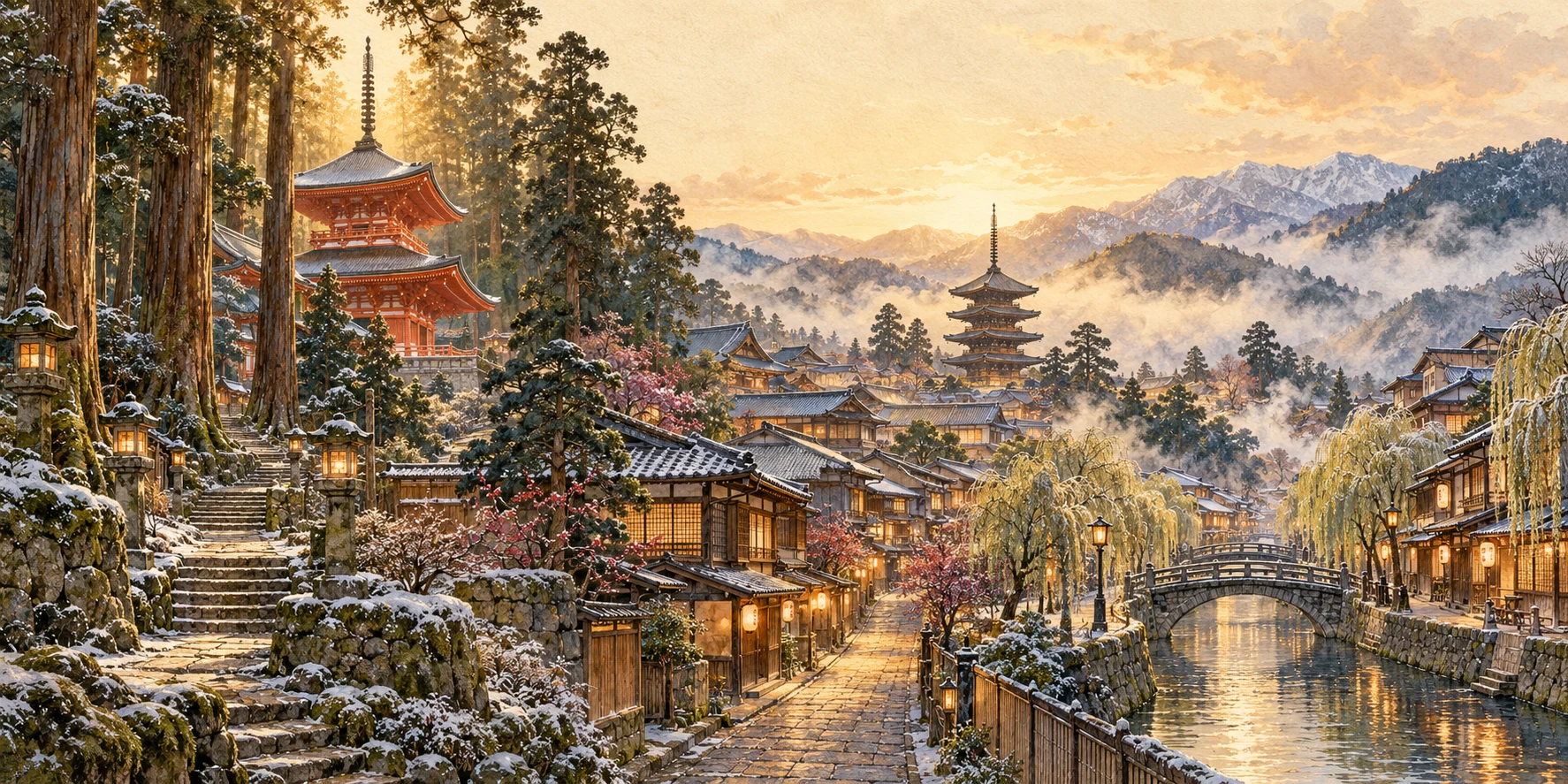
Temple bells, ancient cedar paths and lantern-lit hot-spring streets. Discover the Sacred Kansai Journey: a beautiful railway loop with time to linger.
Thirteen nights connect Osaka Bay, Koyasan, Osaka, Kyoto and Kinosaki, returning to Rinku Town for a gentle farewell.
Begin with two nights beside Osaka Bay. Settle into Japan, then travel towards the mountains by railway, cable car and local bus.
Three nights in a working temple give Koyasan room to unfold: morning ceremonies, temple meals and quiet walks beneath the cedars.
Explore the sacred precinct at your own pace, leave time for tea, and enjoy the rare pleasure of simply being there.
Descend to Osaka for two nights of city comforts, food discoveries and a lively change of scene.
Then spend three nights in Gion. Early temple walks, small cafés and evenings beside the river make Kyoto feel wonderfully close.
Cross the hills to Kinosaki for two nights of canal-side wandering, ryokan dinners and favourite bathhouses. Let the evenings unfold slowly.
A final night in Rinku Town brings you back beside the bay, ready for the short journey to Kansai Airport.
Discover the full Sacred Kansai Journey with Fumi Tours. A richer journey, at your own pace. Fumi Tours dot com.
The illustrated Fumi atlas
The pleasure of the journey
From a bay-side arrival to three nights in a mountain temple, this journey follows the quieter rhythms of Kansai. Take the little railway into Koyasan, return to Osaka for city comforts, settle into Gion, then cross the hills to Kinosaki’s hot-spring streets. Your final airport-side night makes the journey feel complete.
Stay in a working temple and give Koyasan two full days: cedar paths, the sacred precinct and time simply to be there.
Three nights in Gion leave room for an early temple walk, an unplanned café and an evening beside the river.
Two nights in Kinosaki make time for ryokan dinners, a yukata evening and a few favourite bathhouses.
Learn by travelling: Nankai, cable car, mountain bus, Metro, Hankyu and reserved-seat JR trains, with a clear plan for each change.
Day 1 is your arrival day in Japan. An overnight flight from home may leave the day before. The final day is departure day; choose flights that fit the full transfer plan.
A generous plan, with room for you
Open a day for the places, connections and small details that help it run smoothly. Keep optional outings flexible.
Land at Kansai Airport and follow the signs to the railway station beside Terminal 1. Rinku Town is the first stop across the bridge on an appropriate JR or Nankai service.
OMO Kansai Airport is about a minute from Rinku Town Exit 5. Check in, have something simple to eat and keep the evening free. If arriving at Terminal 2, use the airport's free shuttle to the Aeroplaza/railway area first.
Sleep properly, walk beside the bay at Rinku Park and leave time for supplies or outlet browsing if that appeals. This is the useful unhurried day: check the mountain forecast, identify tomorrow's Nankai service and pack a small bag for three temple nights.
Ask the hotel to help arrange prepaid forwarding of the main suitcase to the Osaka hotel, timed for Day 6 and agreed with the receiver. In poor weather, keep the day indoors with the hotel's bath facilities and cafés.
Leave Rinku Town in the morning. Travel on the Nankai Airport Line towards Namba, change at Tengachaya for the Koya Line, and continue towards Gokurakubashi. Depending on the train, change again at Hashimoto.
At Gokurakubashi follow the connecting passage to the cable car; at Koyasan station take the local bus into town. For Komyo-in, use an Okunoin-bound bus serving Karukayado-mae and show the temple name to the driver. Reach the temple during its 15:00–17:00 check-in window. Settle into the tatami room, learn the bath and meal arrangements, and enjoy your first Buddhist vegetarian dinner.
If you wish, join the temple's morning ceremony, then have breakfast. Make Okunoin the centre of today's outing: approach through the cedar trees, walking at a pace that lets the place settle around you.
Use the bus to shorten the route if needed. After lunch, leave space for tea, a rest and a quiet return to the temple. An evening walk is optional and should suit the weather, daylight and temple curfew; the full daytime visit is already an excellent experience.
Visit the Danjo Garan precinct and Kongobu-ji, with a pause between them instead of racing through a list. Reihokan Museum is a useful indoor alternative or addition when open.
Back at Komyo-in, ask whether sutra copying is available during your stay; it is an optional paid experience. End with your final temple dinner and repack for the descent.
After breakfast, take the bus to Koyasan station, cable car to Gokurakubashi and Nankai railway towards Namba. At Nankai Namba follow the signs to Osaka Metro's Midosuji Line for Umeda.
These are separate railway systems, so allow time to leave one and enter the other. Walk or take a short taxi ride to APA Hotel & Resort Osaka Umeda Eki Tower, collect your forwarded suitcase, and enjoy a city evening around Umeda.
Choose a comfortable mix: Osaka Castle's park and museum if you want history, Nakanoshima for riverside architecture, or Umeda's food halls and shops. In the evening, take the Metro to Namba for Dotonbori if you would enjoy the neon and restaurant streets.
Otherwise keep dinner close to the hotel. Before bedtime, locate Hankyu Osaka-umeda on the map; that is tomorrow's departure point, rather than JR Osaka.
Walk to Hankyu Osaka-umeda and choose a Kyoto Line service for Kyoto-kawaramachi. Ordinary unreserved cars are the straightforward choice; paid reserved seating, where offered, is a separate product.
At Kyoto-kawaramachi leave towards the Shijo/Kamo River side, cross the river and continue into Gion, or take a taxi with your bags. Leave the luggage at Kyoto Gion U-BELL Hotel if the room is not ready. Spend the afternoon around Yasaka Shrine and the public streets of Gion, with an early dinner nearby.
Start early for Kiyomizu-dera and the lanes around Ninenzaka and Sannenzaka. The walk includes slopes and steps, so use a taxi for the approach if that better suits you.
Give the afternoon to tea, a small museum or time beside the Kamo River. Keep to public streets and observe the local signs in Gion; private lanes and residents' doorways are not sightseeing shortcuts.
Choose one focus: the gardens and paths around Nanzen-ji, a railway outing to Arashiyama, or a gentle food-and-craft day in central Kyoto. There is no need to combine all three.
In the afternoon, confirm the reserved JR trains for Kinosaki and the return to Osaka. Arrange your main suitcase's delivery to OMO for Day 12 or 13, within its receiving policy, and carry a small bag for the two Kinosaki nights. Keep medication, valuables and travel documents with you.
Allow a generous transfer from Gion to JR Kyoto station; a taxi is the simplest option with bags. Collect any physical tickets required by your booking, then find the limited express using the departure board.
Reserve a direct Kinosaki service that reaches Kinosaki Onsen, rather than assuming every train continues that far. On arrival, walk approximately ten minutes to Shinonome-sou or ask about local transfer arrangements. Check in in good time for dinner, ask about the public-bath pass included with your chosen plan, and try one bathhouse before a leisurely meal.
Spend the morning following the canal, with time for a café and the town's quieter streets. Choose two or three bath visits over the day rather than treating them as a checklist.
The ropeway and Onsenji area make a possible outing when weather and operating conditions suit. Otherwise enjoy the town, your ryokan and another slow dinner. Ask the inn which bathhouses are open that day; each has its own schedule and Satono-yu is closed for renovation at the time of this research.
Enjoy breakfast, then take your reserved Kounotori service towards Osaka. At JR Osaka transfer to a Kansai-Airport Rapid service stopping at Rinku Town.
The airport-bound train may run coupled to a Wakayama service and separate at Hineno: follow the airport destination signs and use the first four cars as JR advises. Return to OMO, collect your suitcase and check tomorrow's airport terminal and check-in requirements. The evening is yours for a bath, a final meal and a calm repack.
Take the short train ride from Rinku Town to Kansai Airport, or use the hotel shuttle if its current schedule suits your flight. Allow the airline's requested check-in time plus the terminal transfer when needed.
Your journey finishes where it began, with the confidence of having navigated several different Japanese railways yourself.
Places to come back to
Selected for location, value and character. Choose your room and meal plan on the hotel’s own site, or compare booking sites for your dates.
01 · Rinku Town · 3 nights
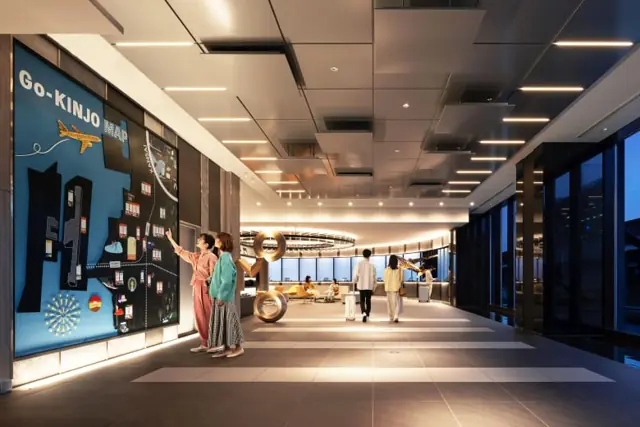
A practical beginning and end: a minute from Rinku Town station, one stop from Kansai Airport, with public baths and airport services.
02 · Koyasan · 3 nights
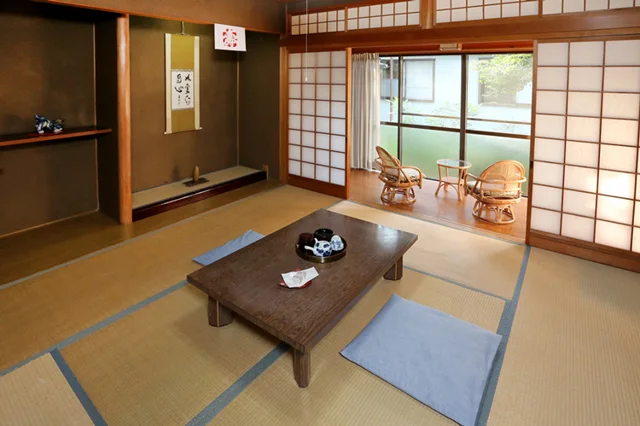
A temple base for two full mountain days, near Karukayado-mae and the eastern part of town.
03 · Osaka / Umeda · 2 nights
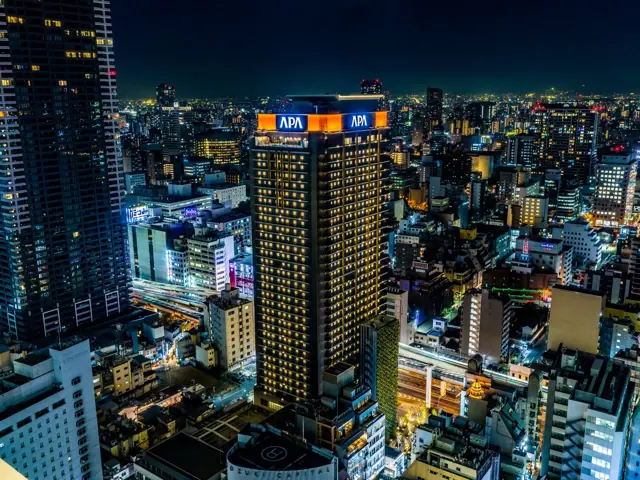
A city base with baths and convenient access to Osaka’s station district.
04 · Kyoto / Gion · 3 nights
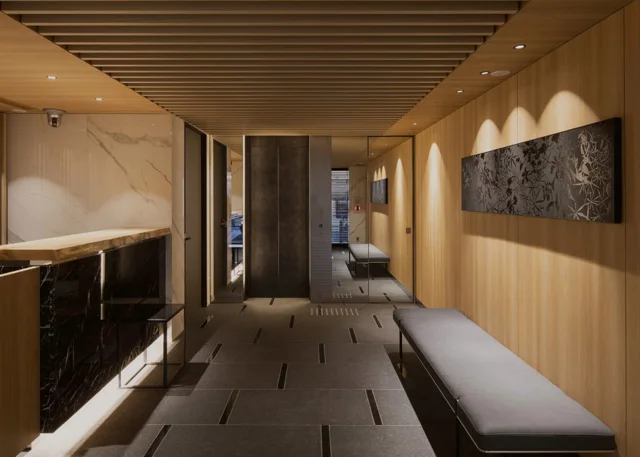
A small hotel in Gion for three evenings close to the older city and the river.
05 · Kinosaki Onsen · 2 nights
Japanese-style rooms, seasonal meals and a convenient base for the town’s public baths.
The connections, carefully explained
Open each leg for a step-by-step transfer. Times are planning allowances; reserve and check the services for your travel date.
The airport and hotel transfer is short; allow extra time for immigration, luggage and terminal transfers.
Work backwards from 15:00–17:00 temple check-in. The two-day Koyasan World Heritage ticket does not cover this three-night stay.
Nankai Namba and JR Namba are different stations. Follow the operator name to the Metro interchange.
Ordinary unreserved Hankyu limited-express cars use a normal fare. Dedicated reserved-seat cars, where offered, cost extra.
Reserve the seat before boarding. The ticket needs both the basic fare and limited-express entitlement.
Check the carriage destination as well as the platform board. The airport train split is the one detail worth remembering.
Build your own travel budget
The late-February/early-March 2027 example totalled ¥219,500 across 13 hotel nights. This is a reference for the original room selection, not a per-person fare. Reprice the rooms for your party, meal plans and chosen travel dates.
| What you’re planning | Amount | What the figure means |
|---|---|---|
| Original 13-night accommodation example | ¥219,500 | Original room-selection total. Confirm the room occupancy and meal plan when comparing your own prices. |
| Rail, cable car, mountain buses and local travel | ¥20,000–30,000 per adult | Fumi planning allowance; depends on pass choice, reservations and local journeys. |
| Other meals, cafés and sightseeing | ¥40,000–65,000 per adult | Fumi planning allowance assuming the suggested temple/ryokan meal plans. |
| Two suitcase-forwarding stages | ¥4,000–7,000 per suitcase | Planning allowance; size, route and delivery service determine the charge. |
Flights, insurance, shopping, extra taxis and optional paid guiding are separate. Compare the hotel’s own site with booking sites for the same room, occupancy, meal and cancellation conditions. The sample travel season is a pricing reference; choose your own departure.
How to use Fumi’s price examples →The details that make it yours
The original research used late February into early March, but choose any suitable departure. Winter may bring snow or ice in Koyasan and northern Hyogo; spring and autumn offer milder walking. Busy peak weekends need earlier room planning.
Find three matching nights at the temple and two in Kinosaki, then build the city and airport hotels around them. Select room types, meals and arrival deadlines before arranging trains.
The Koyasan World Heritage Digital Ticket lasts two days. This mountain stay spans four calendar days, so use separate suitable rail/cable tickets and bus fares or day passes.
The five-day Kansai WIDE Area Pass was ¥12,000 for an eligible adult when checked. Compare it with your actual Kyoto–Kinosaki–Osaka–Rinku fares. Days 10–14 can cover the late JR portion; Nankai, Hankyu and Metro remain separate.
Arrange Rinku→Osaka delivery for Day 6 and carry three temple nights’ essentials. Arrange Kyoto→OMO delivery for Day 12 or 13 and carry two Kinosaki nights’ essentials. Confirm acceptance with the receiving hotels; OMO accepts prepaid luggage only from the day before arrival, labelled with guest name and stay date.
The suggested temple and ryokan rooms use futons and shared bathing. Ask about beds, private bathroom options and step-free routes before booking if these matter to you. Keep mountain walking flexible in winter.
Choose a few favourite bathhouses rather than attempting a total. Ask your inn which are open that day and how its bath pass works. Satono-yu is closed for renovation at the research date.
Himeji is an optional extra night or a deliberate Osaka day outing. An extra Kyoto night is a better way to add sights than squeezing them into the transfer days.
Straight to the people who know
Hotel websites are beside each stay. These operator and destination pages help you check maps, opening days, tickets and current travel information.
Choose the journey that feels like you
Save the plan, choose your dates and follow the route in your own way. The Fumi collection has more journeys, from quiet temple stays to northern cities and coastal railways.