
The trains are part of the pleasure
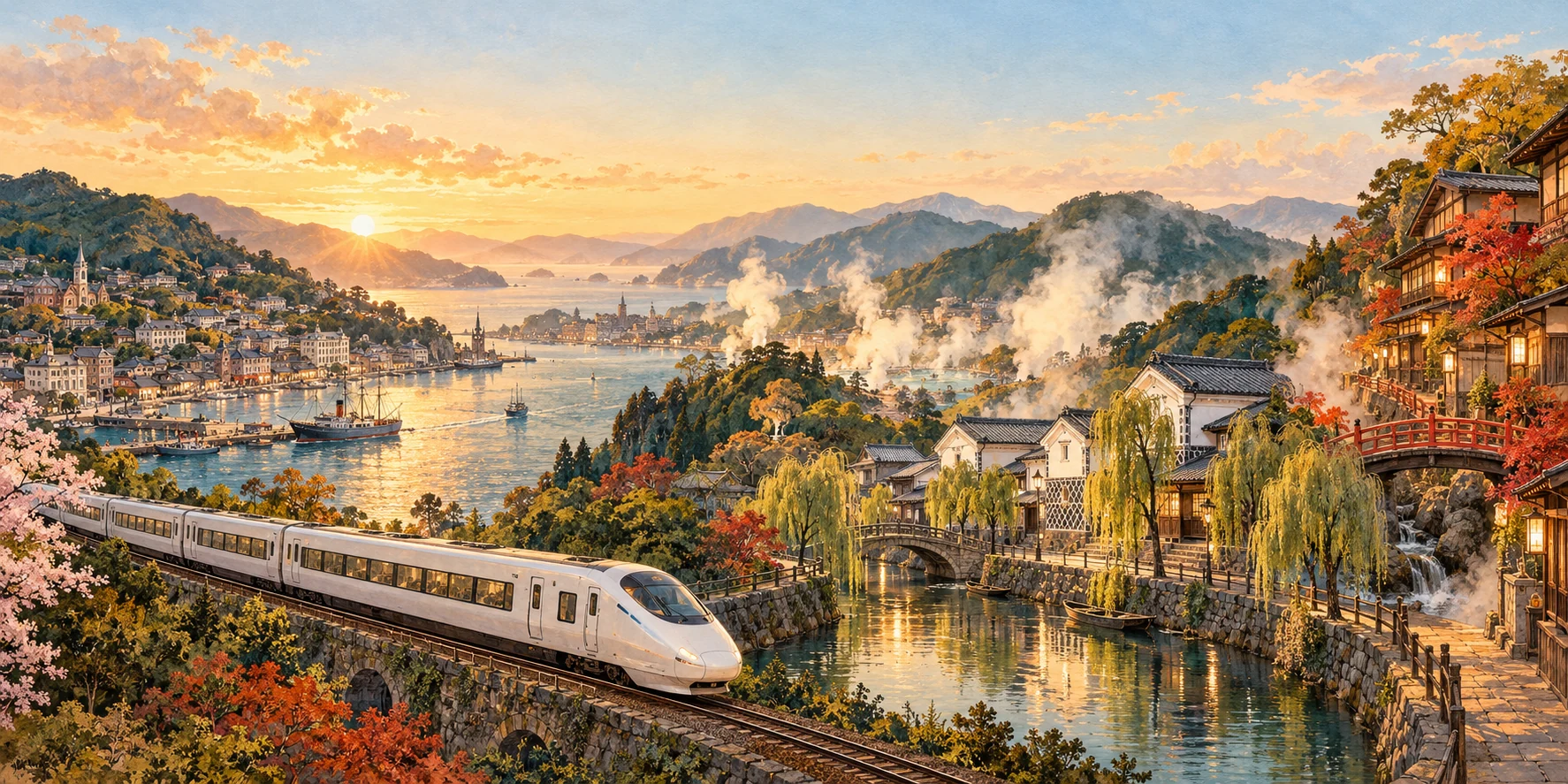
Sanyo Shinkansen, Relay Kamome, Kamome and Sonic give this route a memorable railway character, ending with a local climb into the mountains of Arima.
Fumi journeys · Railways · Regional Japan · Hot springs
Hiroshima, Kyushu, Kurashiki & Arima
Fumi travel films
The film couldn’t load. Please try again.
Beautiful harbours, hot-spring towns and the pleasure of travelling by train. Discover the Grand Southern Rail Journey, a wonderfully varied route through western Japan.
Over fifteen nights, travel from Osaka Bay to Hiroshima and Kyushu, returning through Kurashiki and Kyoto to a peaceful Arima Onsen finale.
Two nights in Rinku Town make a gentle beginning, with time to settle in beside Osaka Bay before heading west.
Spend two nights in Hiroshima, discovering its moving history, beautiful gardens and distinctive food culture.
An evening in Hakata brings ramen and river lights, before the Relay Kamome and Kamome carry you towards Nagasaki.
Stay two nights among Nagasaki's harbour views and hillside streets. Take a full day to savour this fascinating city's character.
Continue via Hakata and Kokura to Beppu. Two nights leave time for its remarkable steam landscapes and a proper, relaxing bath.
Return east for a night in Kurashiki, where willow-lined canals and old merchant streets become especially inviting towards evening.
Three nights in Kyoto give you temple lanes, markets and riverside evenings, with room to follow your own interests.
Finish with two nights in Arima Onsen: mountain-town atmosphere, golden springs, and a lovely reason to slow down.
Explore the full route and its connections at Fumi Tours. Your Japan. Your pace. Fumi Tours dot com.
The illustrated Fumi atlas
The pleasure of the journey
From the open skies of Osaka Bay, follow the rails west to Hiroshima and Kyushu, then return through canal-side Kurashiki and old Kyoto to the golden springs of Arima. Shinkansen speed, Kamome elegance and Sonic’s coastal run connect a journey with proper time in Nagasaki and Beppu, three Kyoto nights and a two-night onsen finale.
Sanyo Shinkansen, Relay Kamome, Kamome and Sonic give this route a memorable railway character, ending with a local climb into the mountains of Arima.
Two-night stops in Nagasaki and Beppu leave a full day in each city. An overnight in Kurashiki gives you the canal quarter after the day-trip crowds.
Three nights in Gion and two in Arima make room for Kyoto wandering, baths and an afternoon with no onward train to catch.
Day 1 is your arrival day in Japan. An overnight flight from home may leave the day before. The final day is departure day; choose flights that fit the full transfer plan.
A generous plan, with room for you
Open a day for the places, connections and small details that help it run smoothly. Keep optional outings flexible.
Arrive at Kansai International Airport and take JR or Nankai one stop to Rinku Town. Follow the hotel directions to OMO Kansai Airport, close to the station.
Keep the first evening simple: unpack, eat and settle into the time zone. If daylight and energy allow, take a short waterfront walk. The hotel's baths offer a comfortable first introduction to Japanese bathing; there is no need to cross Osaka with your suitcase tonight.
A quiet version stays around Rinku's waterfront, cafés and shops. For a first taste of Osaka, leave the main bag at the hotel and ride Nankai into Namba. Explore Dotonbori and the surrounding streets, then return before the day becomes tiring. This is a useful low-pressure practice journey before the longer rail days. Check tomorrow's tickets and pack a light day bag with food and water.
Travel from Rinku Town to Tennoji on a JR Kansai Airport Rapid, then use a suitable JR connection to Shin-Osaka; a reserved Haruka from Tennoji is a comfortable option. At Shin-Osaka, follow the Shinkansen signs and board your reserved train to Hiroshima.
Allow a generous transfer rather than chasing the shortest connection. Check in near Hiroshima Station, then spend the remaining afternoon in Shukkei-en or on a gentle riverside walk. Try Hiroshima-style okonomiyaki for dinner.
Give the Peace Memorial Park, Atomic Bomb Dome and Peace Memorial Museum the morning they deserve. Check the museum's current admission arrangements before choosing an entry time.
Leave space afterwards for lunch and a quiet walk rather than stacking the day with attractions. A garden, a café or the shopping streets can fill the afternoon according to how you feel. This core itinerary stays in Hiroshima city; Miyajima is best added with extra time rather than squeezed into this day.
Take the Sanyo Shinkansen to Hakata, Fukuoka's main intercity station. Leave your bag at the hotel before exploring. Choose an easy walk around the old Hakata temple district or a relaxed circuit of Ohori Park. In the evening, try Hakata ramen or a yatai food stall if one with a clear menu and available seat appeals. The point is one enjoyable Fukuoka evening, with an easy start for Nagasaki tomorrow.
Board Relay Kamome at Hakata. At Takeo-Onsen, change across the same platform to the Nishi Kyushu Shinkansen Kamome for Nagasaki. These are two trains; keep both journey sections and seat details handy.
In Nagasaki, walk to the tram stop or take a taxi to your Shinchi Chinatown hotel. After settling in, explore Dejima and the harbour at an easy pace, then have champon noodles or a Chinatown dinner. Finish with Candeo's rooftop SkySpa.
Spend the morning around the former foreign settlement and Glover Garden, using local transport or a taxi to reduce uphill walking. Pause for lunch rather than rushing straight to the next neighbourhood.
In the afternoon choose either the Peace Park and Atomic Bomb Museum or the riverside streets around Meganebashi. An evening viewpoint is a weather-dependent extra, not a compulsory late night. Two nights mean you can enjoy Nagasaki without returning to the station immediately after arriving.
Take Kamome to Takeo-Onsen, change to Relay Kamome for Hakata, then take Limited Express Sonic to Beppu. This is the longest transfer of the journey; leave sightseeing until after arrival.
Buy lunch before boarding Sonic because onboard sales are not provided. Sonic reverses direction at Kokura, so do not mistake that for your stop when travelling through to Beppu. Check in, enjoy a bath and take a short bay-side walk if you feel like one.
Use a local bus or taxi to reach Kannawa. Choose a manageable selection of the Hells of Beppu and leave time to look properly. These extraordinary boiling pools are sightseeing places, not bathing pools. Try jigoku-mushi food cooked with natural steam, then spend the afternoon in an actual bathing facility or return to the hotel's onsen. You do not have to see every hell to have a memorable day.
Take Sonic to Kokura, change to the Sanyo Shinkansen for Okayama, then take a local Sanyo Line train to Kurashiki. Use Kurashiki Station, not the separate Shin-Kurashiki Shinkansen station.
Leave your bag at the hotel and walk into the Bikan Historical Quarter. This overnight is deliberately about the late afternoon and evening: white-walled storehouses, small galleries, canal reflections and dinner after the day-trip crowds have eased.
Return to the canal before breakfast or visit the Ohara Museum of Art if its opening day suits. Travel via Okayama to Kyoto.
If using the recommended regional pass, take the Shinkansen only as far as Shin-Osaka and change to a JR conventional train for Kyoto; the Kyoto–Shin-Osaka Shinkansen is outside this pass. Reach Gion by taxi or local transport, collect your forwarded suitcase if arranged, then take an evening walk along the Kamo River.
Begin early in Higashiyama, linking Kiyomizu-dera with the traditional lanes below it. Take breaks and keep the route short if the slopes are tiring.
Continue towards Yasaka Shrine and Gion, with time for tea or a small exhibition. Be considerate in residential lanes: follow photography notices, keep entrances clear and never pursue geiko or maiko for pictures. Dinner can be near your hotel, followed by a quiet riverside walk.
Take an early train to Fushimi Inari and walk only as far uphill as you comfortably wish, then return for a market lunch and a slow afternoon. Alternatively choose Uji for tea and riverside time, or stay in Kyoto for gardens and shops.
Keep one substantial outing rather than combining all three. This extra Kyoto night is part of the longer route's appeal: there is room to follow an interest or change plans with the weather.
Travel from Kyoto to Shin-Kobe by a separately purchased Shinkansen ticket, or use JR conventional trains to Sannomiya if you prefer to spend less. Continue by Kobe Subway to Tanigami, Shintetsu towards Arimaguchi and the short branch to Arima Onsen.
Contact Gekkoen Korokan for its station pickup. Arrive in time to settle in and enjoy the baths rather than booking a late connection. If you chose a dinner plan, respect its arrival deadline.
Give Arima a full day. Walk the old town, try its small shops and cafés, and enjoy a second round of bathing without looking at a train departure board. A mountain or ropeway outing can be an optional fair-weather addition, but the pleasure of this day is being able to stay put. Choose a kaiseki dinner plan if you want the ryokan meal to be part of the finale, or reserve a town restaurant if staying room-only.
Return via Arimaguchi and Tanigami to Sannomiya, then use the airport limousine bus to Kansai International Airport. The direct Sannomiya–Terminal 1 bus is typically about 65 minutes, but road conditions and some services via Rokko Island require extra time.
Allow roughly 3–4 hours from hotel to terminal, then add your airline's check-in margin. For an early departure, add a final Rinku or airport hotel night rather than trying to travel from Arima before dawn. Confirm the terminal when planning the bus.
Places to come back to
Selected for location, value and character. Choose your room and meal plan on the hotel’s own site, or compare booking sites for your dates.
01 · Rinku / Osaka Bay · 2 nights
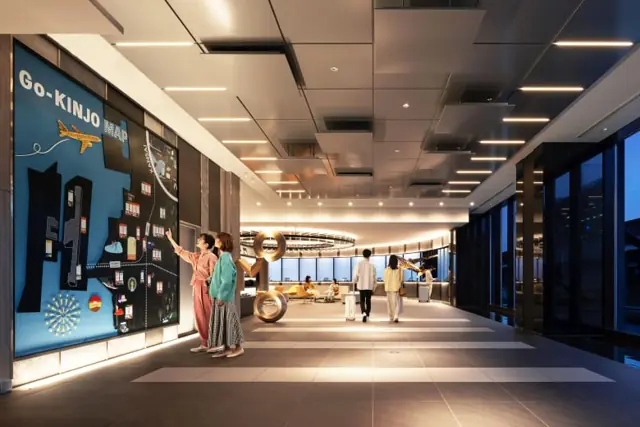
An easy landing near Rinku Town Station, one railway stop from Kansai Airport. Public baths, saunas and laundry make the first two nights comfortable.
02 · Hiroshima · 2 nights
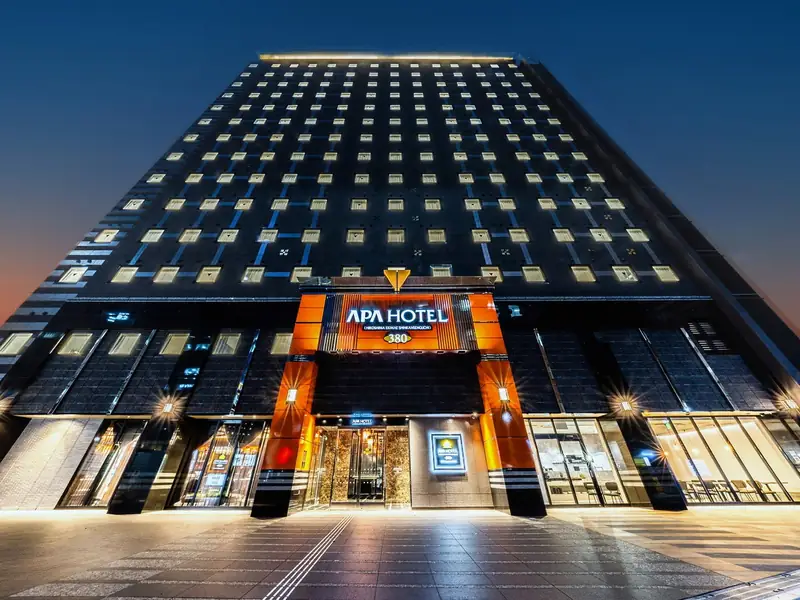
A short walk from the Shinkansen side of Hiroshima Station keeps both intercity journeys straightforward.
03 · Hakata / Fukuoka · 1 night
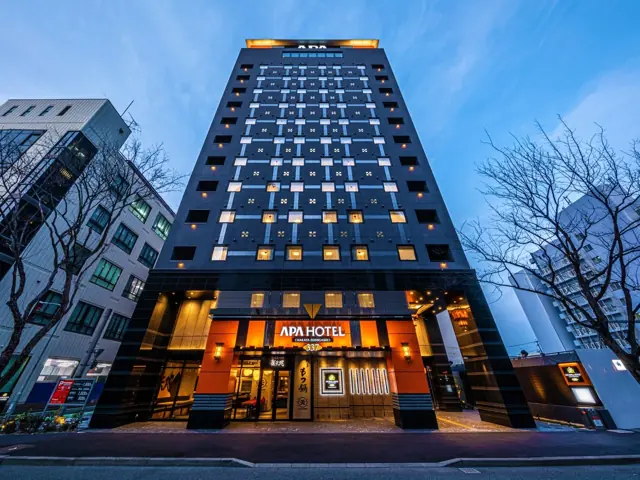
A convenient east-side station base for one Fukuoka evening and the next morning’s Relay Kamome.
04 · Nagasaki · 2 nights
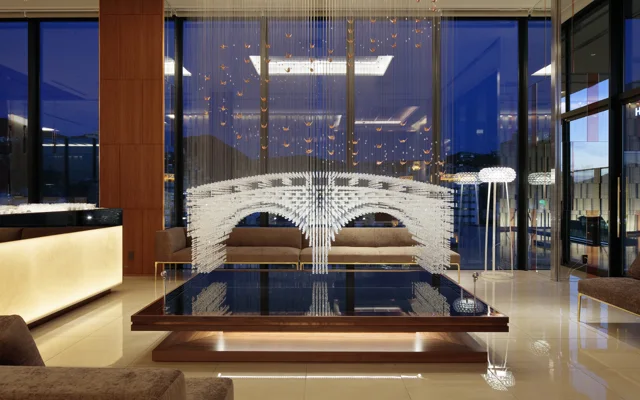
Shinchi Chinatown puts dinner and city exploring close by, with rooftop SkySpa bathing to end the day.
05 · Beppu · 2 nights
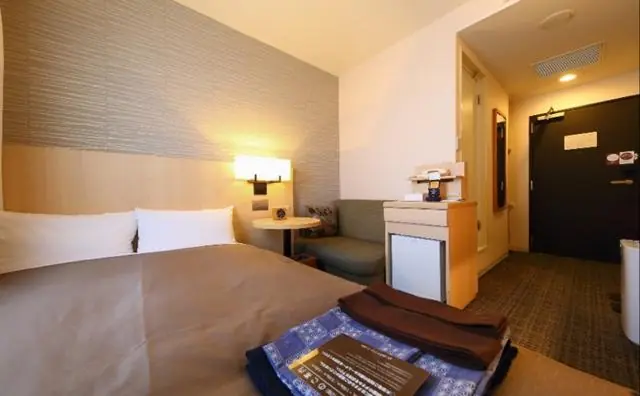
A practical Kitahama base with natural hot-spring baths, well placed for the bay and local transport.
06 · Kurashiki · 1 night
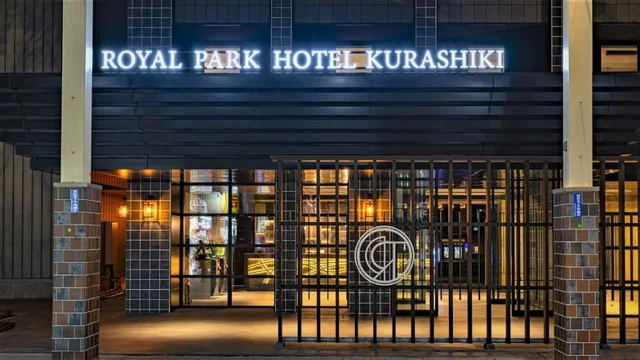
A comfortable stop between Kurashiki Station and the Bikan quarter, with public bathing and a useful overnight location.
07 · Kyoto / Gion · 3 nights
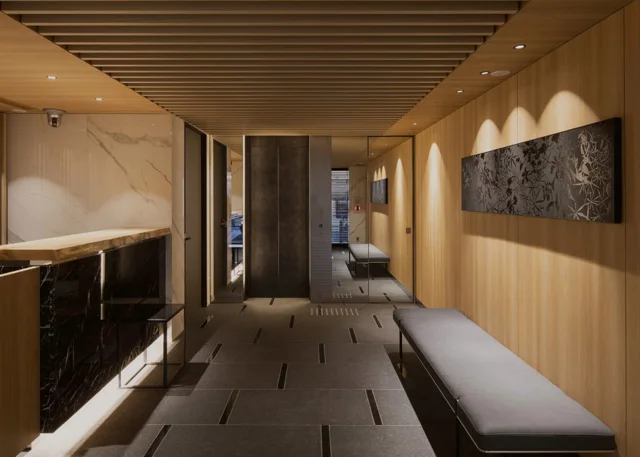
A small Hanamikoji hotel that gives the Kyoto chapter walkable evenings and a neighbourhood feel.
08 · Arima Onsen · 2 nights
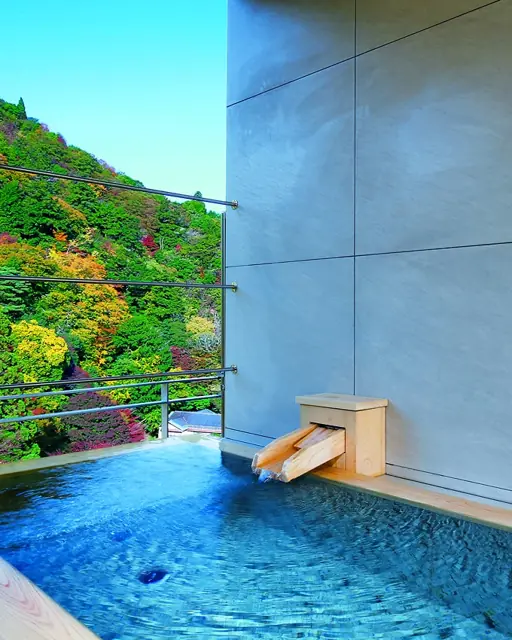
A mountain hot-spring finale with time to stay put, bathe and enjoy the old town.
The connections, carefully explained
Open each leg for a step-by-step transfer. Times are planning allowances; reserve and check the services for your travel date.
The JR and Nankai ticket gates are separate. Buy or tap through the gate for the operator you intend to use.
This is before the suggested regional-pass window. Price the whole connection and leave time to change at Shin-Osaka.
Day 5 is the suggested activation day for the seven-day regional pass.
This is a two-train connection. Check both car and seat numbers; they need not be the same on each train.
Buy lunch and drinks before Sonic; no onboard sales are provided. Keep this as a travel day.
Kurashiki and Shin-Kurashiki are different stations. This plan uses Kurashiki.
The Tokaido Shinkansen from Shin-Osaka to Kyoto is excluded from the regional pass, even though conventional JR travel to Kyoto is covered.
This leg falls after the regional pass. Plan arrival around your selected hotel meal plan.
Direct Sannomiya–Terminal 1 buses are typically about 65 minutes, but road delays and services via Rokko Island require extra time.
Build your own travel budget
A working budget for one adult using their own room, before international flights. These are planning allowances for the revised 15-night journey, not hotel quotations or a Fumi package.
| What you’re planning | Amount | What the figure means |
|---|---|---|
| Hotels · 15 nights | ¥180,000–280,000 | Practical city rooms plus two Arima nights; occupancy and meal plan change the cost. |
| Rail, local travel and airport transfer | ¥50,000–65,000 | Includes the suggested seven-day pass window plus separate opening, Arima and airport legs. |
| Meals, admissions and everyday extras | ¥60,000–90,000 | A flexible allowance; adjust for breakfast or dinner plans you book. |
| Planning pot before flights | ¥290,000–435,000 | Per adult in their own room; excludes international flights, shopping, insurance and luggage forwarding. |
Choose your dates and compare the hotel’s own website with booking sites. Shared rooms can reduce the per-person cost; peak dates, premium ryokan meals and taxis can raise it. Keep the working budget in yen and convert at your actual payment rate.
How to use Fumi’s price examples →The details that make it yours
This is a self-guided route, not a scheduled departure or Fumi package. Choose the dates and room plans that suit you, then book hotels and transport directly. Fumi is free and receives no booking commissions.
Compare the Sanyo–San’in Northern Kyushu Pass, published at ¥26,000 for an adult in October 2026, for Days 5–11. That covers the Hiroshima-to-Hakata start through the return from Kurashiki to Kyoto. Buy the earlier Hiroshima journey and later Arima/airport travel separately. At Shin-Osaka, change to conventional JR for Kyoto; that Shinkansen segment is outside the pass.
Forwarding Hiroshima → Kyoto on Day 5 means six nights away from your main case: Hakata one, Nagasaki two, Beppu two and Kurashiki one. Agree the delivery date with both the receiving hotel and the courier, and use laundry en route. For a shorter split, carry the case through Nagasaki and send it to Kyoto on Day 8, leaving only three nights with a small bag.
Standard APA rooms are compact, while twins provide separate beds. Room-only Arima prices do not include kaiseki dinner. Select room, bathroom and meal plans on the hotel’s own booking page before comparing totals.
Eight overnight bases and two long transfer days make this a moderate-paced trip. Nagasaki, Kyoto and Arima include slopes or steps; taxis and shorter walking loops help. Leave departure days light and use the full days for exploring.
The original research used March stays. Spring and autumn are appealing starting points; neither blossom nor sunshine is guaranteed. Pack for cool Arima evenings. Summer is hotter and wetter, and storms may affect travel.
Choose KIX flight times, then secure the small Gion hotel and the Arima room/meal plan before filling in city hotels. Compare the pass with individual tickets and reserve intercity seats when booking opens.
The standard Day 16 route returns from Arima to Sannomiya, then takes an airport limousine bus to KIX. Allow 3–4 hours hotel-to-terminal plus your airline’s check-in margin. Add an airport night for an early flight.
Remove one Kyoto night and one Arima night. Keep Nagasaki and Beppu at two nights each; this remains eight bases and is a busier journey.
An extra Rinku or KIX hotel night makes an early international departure comfortable. The journey becomes 17 days / 16 nights.
Add a second Kurashiki night for art, cafés and a whole day in the Bikan quarter.
Straight to the people who know
Hotel websites are beside each stay. These operator and destination pages help you check maps, opening days, tickets and current travel information.
Choose the journey that feels like you
Save the plan, choose your dates and follow the route in your own way. The Fumi collection has more journeys, from quiet temple stays to northern cities and coastal railways.