
Three Japans, one generous journey
Hokkaido brings space and northern food, Tohoku brings temples and island views, and Okinawa introduces a different cultural history beside a warmer sea.
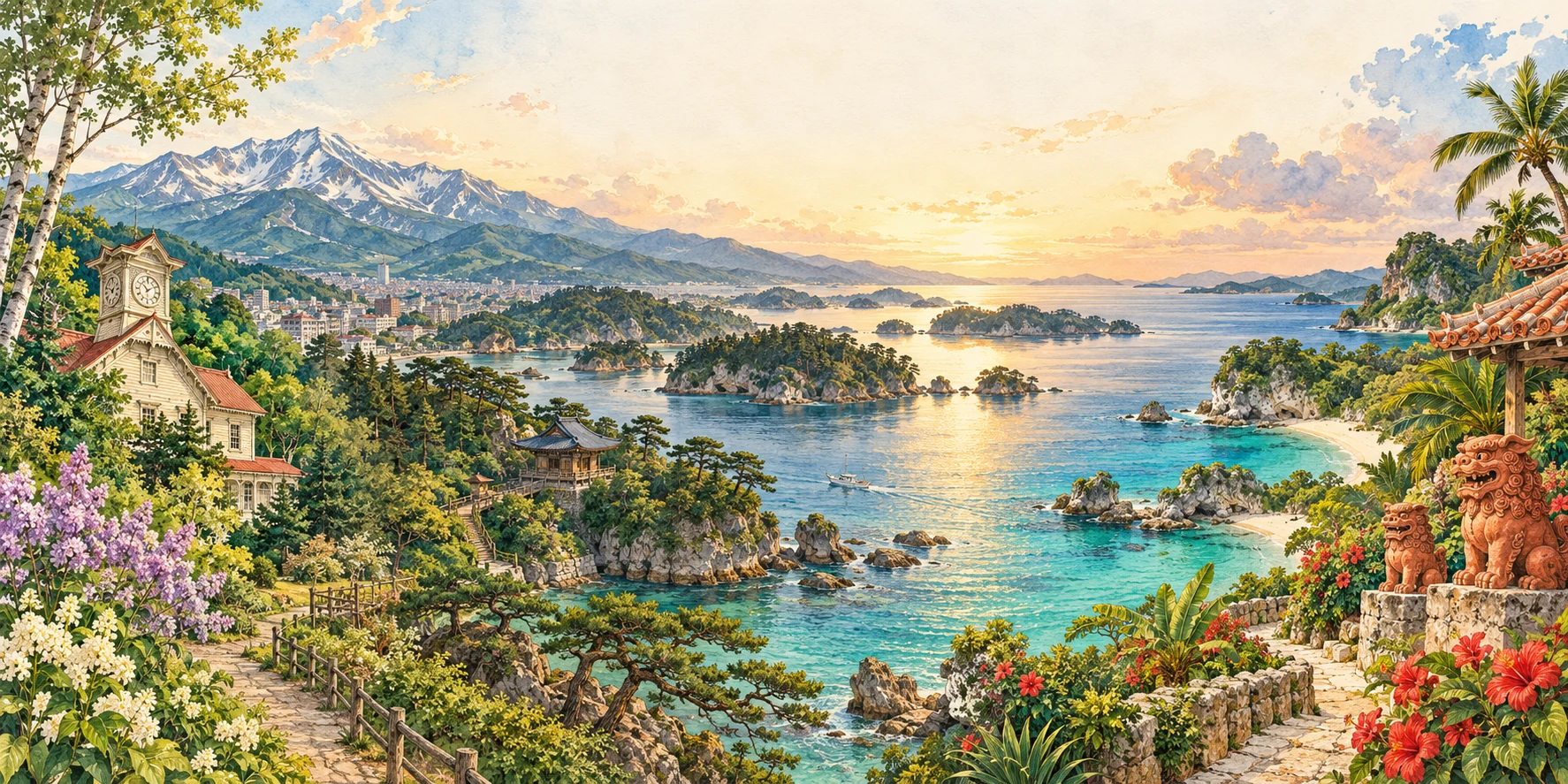
Fumi journeys · A grand journey by air · Hokkaido to Okinawa
Hokkaido, Tohoku & the Islands of Okinawa
Fumi travel films
The film couldn’t load. Please try again.
From Hokkaido's northern skies to Okinawa's turquoise coast, discover the Grand North-to-South Journey. Three wonderfully different sides of Japan, with time to enjoy them.
Nineteen nights link Sapporo, Sendai and Okinawa, with a final night at Haneda. Flights connect the regions; comfortable bases make the days your own.
Begin with five nights in Sapporo: lively markets, generous parks, and the delicious flavours of Hokkaido.
Take the train to Otaru for canal-side wandering, glass shops and a leisurely seafood lunch, before returning to your familiar Sapporo base.
Fly to Sendai for six nights. Leafy streets, welcoming restaurants and easy city evenings give this chapter a lovely, relaxed rhythm.
Explore Matsushima's beautiful bay, or choose a temple outing and a day at Akiu Onsen. Keep room for the weather, and for yourself.
Then fly to Naha for four nights of Ryukyu heritage, pottery lanes and Okinawan food: a delightful change of scene.
Continue by road to the Onna coast for three nights beside the sea. Slow breakfasts and coastal evenings are part of the pleasure.
Finish with an easy airport night at Haneda. Explore the complete journey with Fumi Tours, and make this generous holiday your own. Fumi Tours dot com.
The illustrated Fumi atlas
The pleasure of the journey
Give Japan room to surprise you. Begin with five nights in Sapporo, where market breakfasts and a day beside Otaru's canal make a gentle northern opening. Settle into Sendai for six nights of island views, woodland temples and easy evenings in the city. Then change the scenery completely: four nights exploring Naha followed by three nights overlooking Okinawa's west coast. A final night at Haneda keeps the journey home simple.
Hokkaido brings space and northern food, Tohoku brings temples and island views, and Okinawa introduces a different cultural history beside a warmer sea.
Five nights in Sapporo and six in Sendai let you unpack, learn the neighbourhood and move day trips around the weather. Four Naha nights and three at the coast give Okinawa two distinct chapters.
Flights handle the regional jumps. Airport rail, local trains and a short list of well-chosen outings make each base manageable. A final Haneda night keeps departure morning straightforward.
Day 1 is your arrival day in Japan. An overnight flight from home may leave the day before. The final day is departure day; choose flights that fit the full transfer plan.
A generous plan, with room for you
Open a day for the places, connections and small details that help it run smoothly. Keep optional outings flexible.
Arrive in Japan and connect to New Chitose. If entering through Haneda, complete immigration, collect checked baggage for customs and follow the airline's domestic-transfer instructions.
At New Chitose, follow the JR signs to the airport station. Take an Airport train to Sapporo, then leave bags with the hotel if the room is not yet ready. Keep your first walk close to Odori Park.
Choose an easy meal near the hotel and enjoy a bath before an early night. The full northern programme begins tomorrow.
New Chitose–Sapporo Airport trains take roughly 33–43 minutes depending on service, plus the hotel walk. Reserve a U-seat if you prefer a guaranteed seat and easier luggage arrangements.
Begin with a market breakfast, then walk through the central city towards Odori Park. This is a settling-in day, with time to learn the station exits and pick up snacks for later outings.
Take the subway to Maruyama-koen for the park and Hokkaido Shrine. Keep the forest walk short or add more of the grounds if you have the energy.
Choose soup curry, ramen or another local meal. Return to the same comfortable base without repacking.
Subway plus walking; Hokkaido Shrine is about 15 minutes on foot from Maruyama-koen Station.
Take a JR train to Otaru and walk down towards the canal. Start before lunch so there is time to explore slowly rather than chase an evening train.
Browse the old warehouse streets and glass shops, choose a seafood lunch and pause at a café. The canal area is enough for a rewarding day; distant coastal add-ons are optional.
Return to Sapporo for dinner or stay in Otaru for an early meal before the train back.
JR Hakodate Line between Sapporo and Otaru. Use the operator's live journey search and check the destination displayed on your train.
Travel out to Moerenuma Park for a change of scale: wide lawns, sculptural forms and the glass pyramid. Choose a gentle walking loop, with stops whenever the view catches your eye.
Return to the city for a late lunch and a quieter neighbourhood walk. This leaves time to enjoy Sapporo rather than trying to cross Hokkaido in a day.
Make tonight the meal you most want to try, or keep it casual in the city centre.
Subway to Kanjo Dori Higashi, then the seasonal/local bus connection to Moerenuma Koen Higashiguchi; check the current route and return timetable first.
Return to a favourite café or use this as your weather reserve for Otaru or Moerenuma. The best itinerary sometimes gives you permission to repeat somewhere you enjoyed.
Browse the city, do laundry and organise tomorrow's airport train. If skies are clear, consider a city viewpoint; if not, choose a museum or shopping instead.
Have an unhurried farewell dinner and pack for the flight to Sendai.
Local subway and walking only unless you move an earlier day trip here.
Take the airport train back to New Chitose and fly to Sendai. Book the sector that works with your whole itinerary; there is no fixed departure time built into this route.
Follow signs to Sendai Airport Station and take the direct Airport Access Line into Sendai. Walk to Almont, settle in and orient yourself around the west side of the station.
Try a Sendai dinner and finish with the hotel bath. With six nights here, there is no need to add a major outing to arrival day.
Flight CTS–SDJ, then approximately 25 minutes by train from Sendai Airport to Sendai Station, plus the short hotel walk.
Start with the city centre, then choose a historical stop such as Zuihoden or the Sendai Castle site. Let the day's walking level decide how many hill-based sights you combine.
Return to the arcades and leafy streets for lunch and browsing. Jozenji-dori makes a good change of pace after the busier station area.
Choose gyutan if you eat beef, or explore other restaurants around the centre. There is time to discover a favourite place you can return to later in the stay.
Local bus or subway with walking; the tourist information desk can help match the route to your mobility.
Take the JR Senseki Line to Matsushimakaigan. Walk beside the bay and visit a temple or garden before lunch, keeping time for the water views.
Choose a sightseeing cruise if the weather suits. Shiogama can be added for seafood and a port-town contrast, using the current boat service or the train; it is an option, not a compulsory dash.
Return to Sendai for a light dinner and the comfort of your familiar room.
JR Senseki Line for Matsushimakaigan and Hon-Shiogama. Match any one-way boat plan to that day's actual sailings before buying tickets.
Take the JR Senzan Line to Yamadera. If the steps suit you, climb slowly through the temple complex, pausing for the mountain views rather than treating the ascent as a race.
Have lunch near the station and allow time for a café before the train back. Check the return departures before setting off on the climb.
An easy Sendai dinner and a quiet evening are plenty after the hill walk.
Direct Senzan Line services link Sendai and Yamadera; use the current timetable rather than assuming turn-up-and-go frequency.
Take a bus to Akiu Onsen with a day-use bathing venue chosen in advance. A bath and lunch are the heart of the day, not a long checklist of scattered sights.
Add a short walk around the onsen area if conditions suit, then return to Sendai. Akiu's wider sights are spread out, so do not assume the waterfall is an easy walk from the bathing district.
Enjoy the city at leisure, or simply have an early meal and rest.
Takeya Kotsu's Seibu Liner serves the Akiu area from Sendai. Check the correct stop for your chosen venue and the last practical bus home.
Use the final Sendai day for whichever outing benefited most from a weather change. Otherwise, enjoy a late breakfast and time in the city's shops, cafés and museums.
Buy a few regional treats, wash what needs washing and prepare for Okinawa. The next chapter is warmer, so move lighter clothes to the top of your bag.
A final Sendai dinner without an early sightseeing alarm tomorrow makes the long stay worthwhile.
Local transport only unless swapping an earlier outing.
Take the Airport Access Line and fly from Sendai to Naha. This is the journey's biggest change of atmosphere, so keep the day focused on getting there comfortably.
Take Yui Rail from Naha Airport to Tsubogawa and walk to Tokyu Stay. Settle in and use the room's laundry if useful.
Choose a nearby Okinawan meal and take a short orientation walk. Save the fuller Naha programme for tomorrow.
Flight SDJ–OKA, then Yui Rail to Tsubogawa. Check the operating carrier, baggage rules and schedule when booking.
Head towards Shuri for the castle park and the history of the Ryukyu Kingdom. If you want to enter the Seiden, arrange the required viewing reservation through the official park website.
Continue gently through the area, with shade and café stops in warm weather. Return to central Naha before the day feels too long.
Explore the food streets around Kokusai-dori at your own pace.
Yui Rail plus walking or a short local connection. The castle approach has slopes; a taxi can reduce the climb.
Explore Tsuboya Yachimun Street, browsing pottery shops and the museum when open. This is a good day for a small purchase with a story behind it.
Combine the pottery district with the market streets and an Okinawan lunch. Leave time for the city's everyday side rather than filling every hour with transport.
Choose a restaurant or music venue that interests you, booking ahead if it is small or popular.
Yui Rail and walking around central Naha; use a taxi if heat makes the walk uncomfortable.
Choose one optional outing: a properly organised sea excursion when conditions are good, or a city-based museum and food day when rain is likely.
For a Kerama Islands or snorkelling excursion, book through an operator and follow its weather decision. Keep a land alternative ready instead of letting one cancelled boat define the holiday.
Finish laundry and organise tomorrow's coast transfer. Have one last evening in Naha before the resort chapter begins.
Optional excursion transport, or local Naha travel. Sea activities and ferry tickets are additional bookings.
After breakfast, travel north along Okinawa's west side to Hotel Monterey. Use a pre-booked bus serving Tiger Beach Mae or arrange a taxi with a clear fare basis.
Leave bags with the hotel if needed, enjoy lunch and settle into the resort. The point of this move is to stop travelling for a while.
Watch the changing light from the coast and choose a hotel or nearby dinner.
Naha city–Tiger Beach/Onna by scheduled bus or taxi. Confirm the exact departure point, luggage arrangements and stop before travelling.
Take breakfast slowly, then enjoy the beach or pool when open and conditions allow. You have earned a day with no station timetable.
Choose an optional marine activity, a short local excursion or more time at the resort. Follow beach flags and the operator's advice rather than assuming calm-looking water is suitable.
Keep dinner local and enjoy another coastal evening.
None required for a resort day; optional activities may provide their own transport.
Choose between another restful coastal day and an excursion farther north, such as Ocean Expo Park and Churaumi Aquarium. Book transport that works from your hotel, not only from Naha.
If travelling north, make it the day's main activity rather than combining every attraction on the coast. If staying put, let the final island afternoon unfold slowly.
Pack and confirm the airport bus or transfer for tomorrow. Keep the flight day free from extra sightseeing.
Optional reserved excursion or carefully planned public bus. A taxi charter is an extra cost and should be agreed in advance.
Take the reserved transfer to Naha Airport with a generous road-traffic buffer, then fly to Haneda.
Reach Villa Fontaine Grand at Terminal 3, using the airport's terminal transfer if your domestic flight arrives elsewhere. Check tomorrow's international departure terminal before unpacking.
Have dinner in the airport area and, if you wish, buy admission to Izumi Tenku no Yu. Finish with a calm evening rather than another cross-city journey.
Hotel–Naha Airport limousine bus, shuttle or taxi; flight OKA–HND; terminal transfer if required.
Check out and proceed to the terminal shown on your ticket in time for the airline's international check-in requirements.
Fly home on the service you have booked. The route works from many origins; Sydney was the original airfare example.
Your arrival time and any extra overnight flight depend on your home airport and selected service.
International flight from Haneda, or adapt the final airport night to your actual departure airport.
Places to come back to
Selected for location, value and character. Choose your room and meal plan on the hotel’s own site, or compare booking sites for your dates.
01 · Sapporo · 5 nights
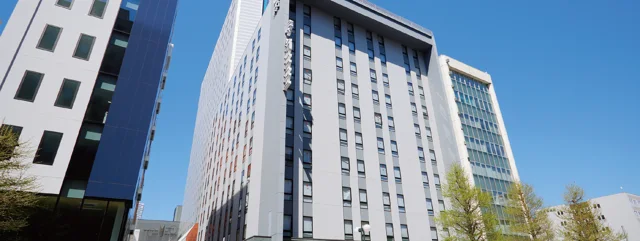
A practical station-side base with a public bath and guest lounge. Stay long enough to enjoy the city, take the train to Otaru and keep a day free for the weather.
02 · Sendai · 6 nights
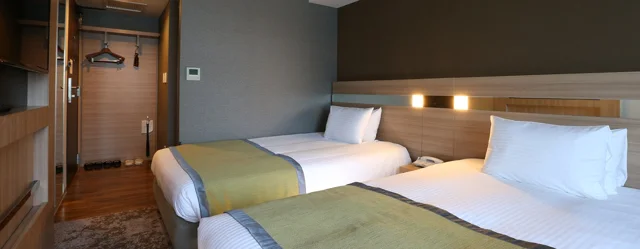
A useful six-night base near the station, with public baths and a regional breakfast option. Day trips leave from Sendai while your suitcase stays in the room.
03 · Naha · 4 nights
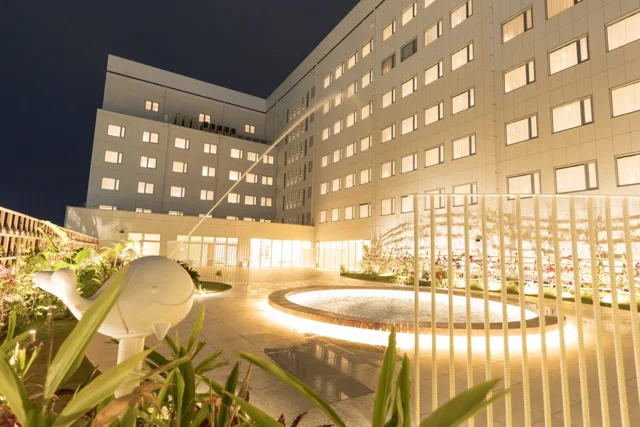
A practical city stay with in-room laundry, useful after eleven nights in northern Japan. Explore Naha by monorail and on foot before moving to the coast.
04 · Onna coast · 3 nights
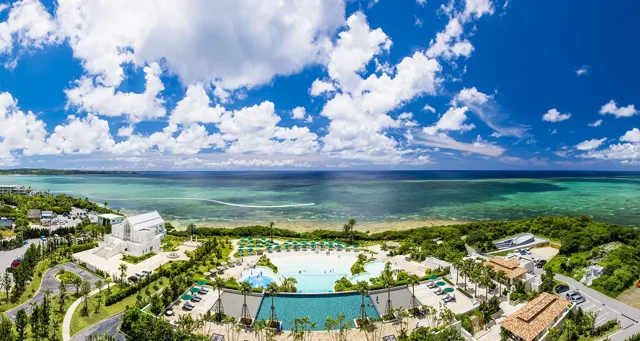
The deliberate splurge: an ocean-view resort beside Tiger Beach, with enough time to enjoy the coast rather than use it as a one-night stop.
05 · Haneda · 1 night
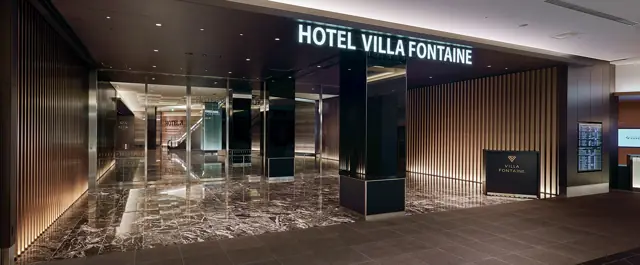
An airport-connected finale that removes a cross-city transfer from departure morning. Dinner and a final bath can be more appealing than another late sightseeing dash.
The connections, carefully explained
Open each leg for a step-by-step transfer. Times are planning allowances; reserve and check the services for your travel date.
A through itinerary makes the connection simpler to manage. Allow enough time for immigration, customs and any terminal transfer.
The hotel is about seven minutes on foot from the station's south exit.
ANA may sell a partner-operated flight. Read the operating carrier and baggage details on your own ticket.
Keep the arrival evening simple; Naha has four nights in this plan.
Save the bus ticket and stop map offline. This is a road transfer, so leave the afternoon open.
Check tomorrow's international terminal now: ANA international departures can use Terminal 2 or 3.
The hotel is at Terminal 3. A connection to Terminal 2 may still be needed.
Build your own travel budget
Build your own budget from the room and flight choices you make. The figures below separate a real recorded airfare example from new planning allowances; they are not a Fumi package price.
| What you’re planning | Amount | What the figure means |
|---|---|---|
| Recorded six-sector airfare example | A$1,529.96 per person | ANA Economy Value whole-itinerary example for Sydney–Haneda–New Chitose–Sendai–Naha–Haneda–Sydney, six flight sectors. Recorded historical planning price, not a current quotation. Different dates, carriers, baggage and fare conditions can change the price. Quote recorded 20 October 2026 for a June 2027 planning example. |
| 19 nights — two adults sharing one room | ¥313,000–526,000 per room total | 19 nights, one room for two adults sharing. These are Fumi planning allowances assembled for the suggested hotels, not rates obtained for particular dates. Solo travellers should reprice their own room types. Breakfast and taxes depend on the actual plans chosen. |
| Accommodation share per person | ¥156,500–263,000 | Half the room allowance when two adults share. This is not a solo-room price. |
| Ground transport | ¥25,000–40,000 per person | Budget allowance for airport trains, local rail/subway/bus outings and scheduled coastal transfers. Excludes a hire car, private full-day taxi, domestic flights and premium excursions. |
| Meals | ¥60,000–100,000 per person | A planning allowance of ¥3,000–5,000 per day across 20 days; adjust down for included hotel breakfasts and up for special meals. |
| Ordinary sightseeing | ¥10,000–20,000 per person | Ordinary sightseeing allowance; organised sea activities, guided tours and private transfers are extra. |
Hotel allowances were created for planning, not quoted for specific dates. Compare the same room, meals and cancellation conditions across the hotel website and booking sites. Exchange rates and seasonal demand change the AUD equivalent. Okinawa introduces an accommodation tax from 1 February 2027: 2% of the room charge per person per night, capped at ¥2,000. Check how the hotel displays and collects it. Other local accommodation or bathing taxes may also be payable.
Budget separately: Travel insurance · Shopping · Private guide or taxi-charter services · Premium sea activities · Airline or room upgrades · Any meals or spa access not included in the selected rate.
How to use Fumi’s price examples →The details that make it yours
The original planning example was for June. Use the same sequence in a season that suits you: Hokkaido can feel cool while Okinawa is warm and humid. Okinawa's rainy season usually runs from mid-May into late June, and storms can affect sea activities and flights. Keep island excursions flexible rather than treating this as a guaranteed beach-weather itinerary.
Independent travellers who enjoy contrasting regions, comfortable hotels, local food and time to settle in. Ideal for a return visit or a first trip that reaches beyond the usual Tokyo–Kyoto circuit.
Most city days can be shortened, and taxis can reduce walks with luggage. Yamadera is the demanding exception: the upper temple route involves more than 1,000 stone steps. Swap it for a gentler Sendai day if needed. Confirm accessible room layouts and airport assistance directly when booking.
One manageable suitcase and a small day bag work well. Keep travel documents, medication and a change of clothes in hand luggage. Use hotel laundry during the long stays; Tokyu Stay's in-room washer-dryer is particularly useful halfway through the trip. Check each operating airline's baggage allowance rather than assuming every domestic sector has the same rules.
Choose this version if avoiding a hotel move matters more than a beachfront stay. Use organised day trips for the coast and keep all seven nights at one city hotel.
Add a guided landscape outing from Sapporo or another Tohoku day trip within the existing long stays. Check travel times carefully; the default route deliberately avoids repeated early starts.
Sydney is only the source airfare example. Retain the Japanese base sequence and buy suitable international flights from your own city.
Add two or three nights before the final Haneda night if you want a fuller Tokyo visit. Those nights are additional to this 19-night route.
Straight to the people who know
Hotel websites are beside each stay. These operator and destination pages help you check maps, opening days, tickets and current travel information.
Choose the journey that feels like you
Save the plan, choose your dates and follow the route in your own way. The Fumi collection has more journeys, from quiet temple stays to northern cities and coastal railways.